Iran Becomes an Islamic Republic - April 1, 1979
1979 · Tehran, Iran
Iran became an Islamic Republic following a national referendum, marking the end of the Pahlavi monarchy and the beginning of theocratic rule under Ayatollah Khomeini.
February 11, 1979
The Iranian Revolution culminated with the victory of revolutionary forces and the overthrow of the Shah's regime.
Tehran, Iran | Revolutionary forces of Iran
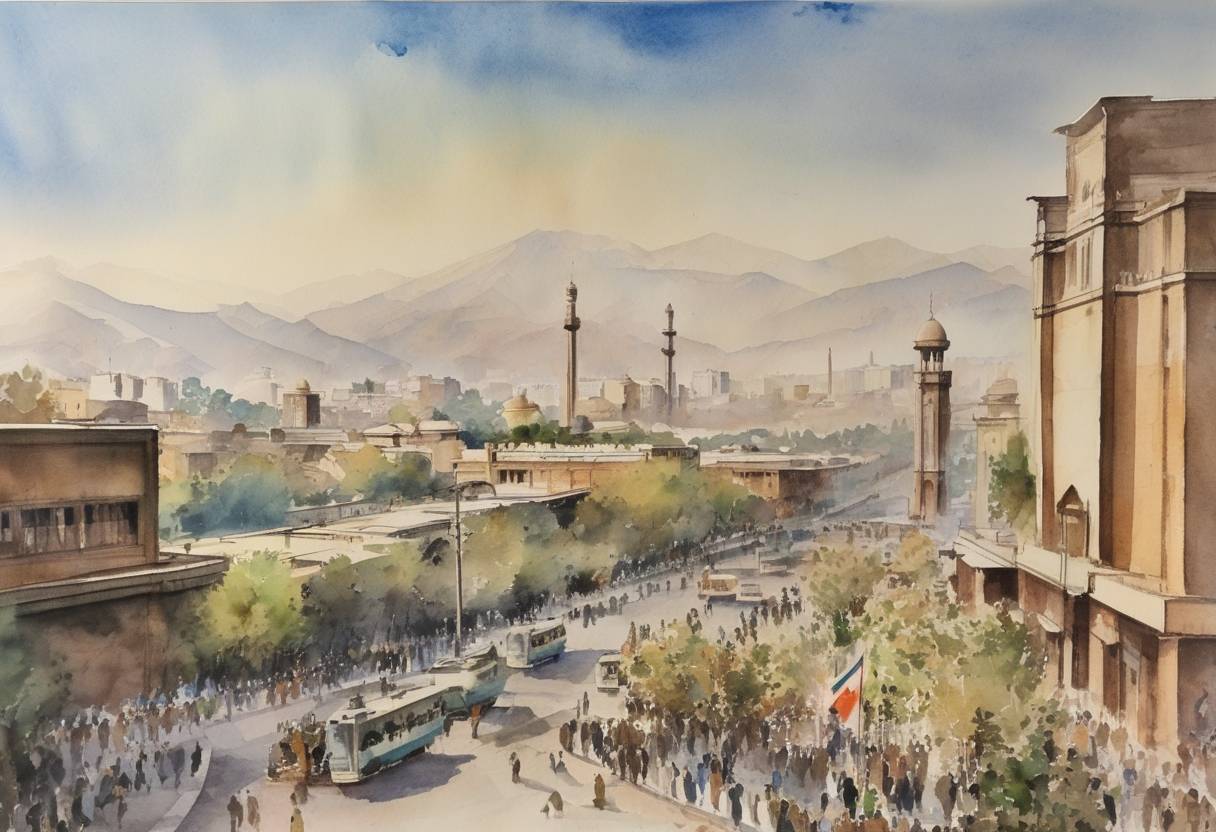
The Iranian Revolution, which had been gathering momentum throughout the late 1970s, reached its decisive climax on February 11, 1979, with the overthrow of Shah Mohammad Reza Pahlavi’s regime. This turning point signified the end of the Pahlavi dynasty and the establishment of the Islamic Republic under the leadership of Ayatollah Ruhollah Khomeini.
For years leading up to the Revolution, Iran was marked by widespread discontent due to political repression, economic issues, and cultural dissatisfaction stemming from the Shah’s westernization policies. The Shah’s increasing authoritarianism, backed initially by the United States, alienated both religious clerics and political activists.
The revolution began in earnest in 1978 with a series of protests and strikes that intensified over the following months. The return of Ayatollah Khomeini from exile on February 1, 1979, galvanized the revolutionary forces, leading to mass demonstrations against the Shah’s regime.
On February 11, the military, which had been a key supporter of the Shah, declared neutrality, effectively sealing the regime’s fate. This military decision was pivotal, as it allowed armed rebels and civilians to overpower the remaining loyalist forces. The Iranian capital, Tehran, saw intense fighting between revolutionary forces and the remnants of the Shah’s supporters, particularly around key governmental and military sites.
Revolutionaries rapidly took control of key institutions, including the national radio and television stations, marking a symbolic and strategic victory. The day witnessed jubilant scenes of celebration as revolutionary forces declared victory over the last bastions of the Shah’s rule.
The overthrow of the Shah led to the establishment of the Islamic Republic of Iran, fundamentally altering the political landscape of the region. Ayatollah Khomeini emerged as the supreme leader, fulfilling the demands for a government rooted in Islamic principles.
The revolution profoundly impacted international relations, particularly concerning U.S. interests in the Middle East, and led to the significant realignment of regional geopolitics. It also inspired movements across the Islamic world and reshaped Iran’s social, economic, and political structures, with lasting effects that are still evident today.
Source: www.britannica.com