Frederick II Becomes King of Prussia: Correct Date
1730 · Berlin, Germany
Frederick II (Frederick the Great) becomes King of Prussia.
February 25, 1713
Frederick I of Prussia, the first King in Prussia, dies and is succeeded by his son Frederick William I.
Berlin, Prussia
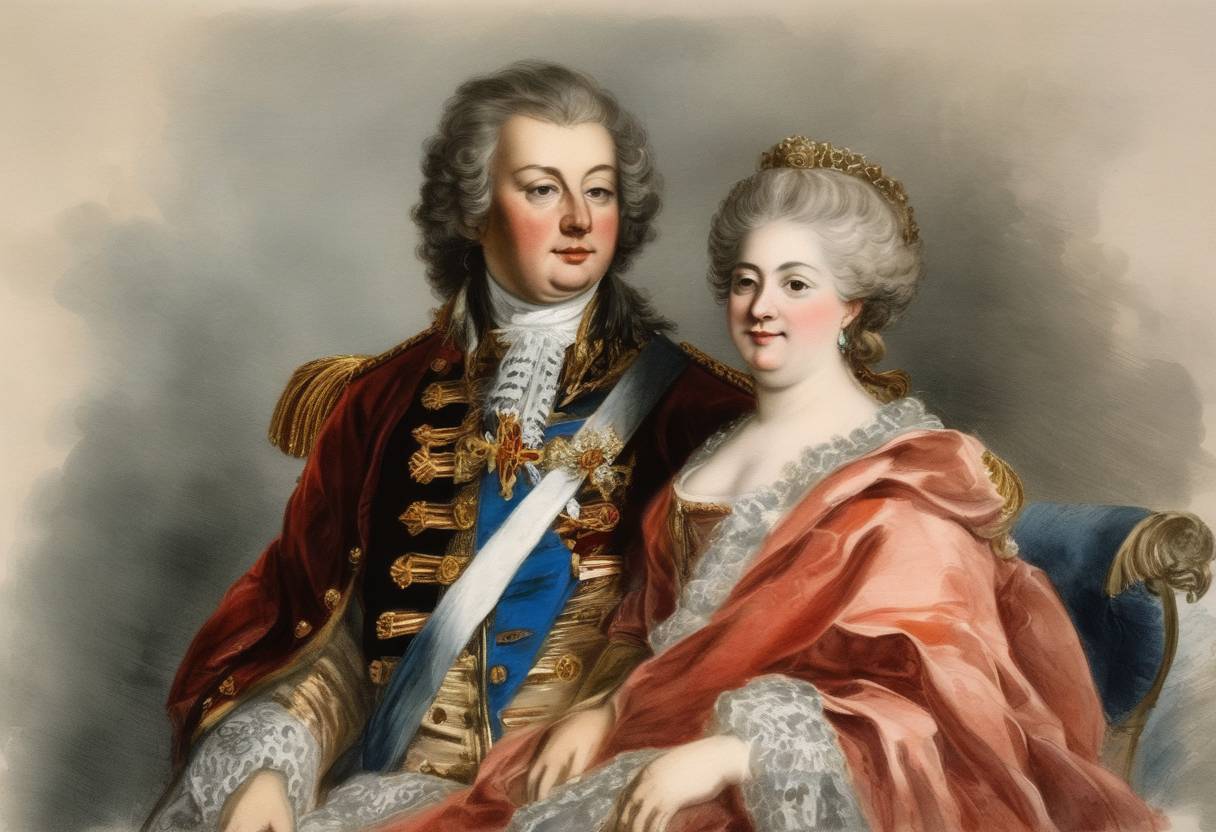
On February 25, 1713, Frederick I of Prussia passed away in Berlin, marking a significant transition in the Kingdom of Prussia. Frederick I was the first King in Prussia, ascending to the title in 1701 after careful navigation of the complex European political landscape. His reign set the foundation for the rise of Prussia as a major European power.
Frederick I’s Reign: Frederick I was originally known as Frederick III, Elector of Brandenburg, and Duke of Prussia. The electorship was part of the Holy Roman Empire, while Prussia was a duchy held under Polish authority. In a bid to elevate his status, Frederick negotiated with Emperor Leopold I, gaining the title “King in Prussia” in 1701, which granted him royal status without overstepping the authority of the Holy Roman Emperor.
Achievements and Challenges: Under Frederick I, the arts and culture flourished in Prussia. He established the Königliche Akademie der Künste (Royal Academy of Arts) in 1696 and was a notable patron of architecture and music. However, his reign also incurred significant financial strain due to his lavish expenditure on courtly life and military expansion.
Frederick William I: Known as the “Soldier King”, Frederick I’s son, Frederick William I, succeeded him. He inherited a realm with considerable debt but was determined to transform Prussia into a military powerhouse.
Administrative and Military Reforms: Frederick William I focused on strengthening the military and establishing a highly disciplined and centralized governmental structure. His policies laid the groundwork for Prussia’s future military successes and territorial expansions.
Economic Measures: He implemented rigorous economic measures to address the financial debts left by his father, emphasizing frugality and efficiency.
Frederick I’s establishment of the Prussian monarchy marked the beginning of Prussia’s ascendancy in European affairs. The transition of power to Frederick William I brought about significant military and administrative reforms that would ultimately elevate Prussia’s status, culminating in its emergence as a dominant European state in subsequent decades.
This period marks a pivotal moment in Prussian history, setting the stage for the influential roles played by his successors, including Frederick the Great, in the shaping of modern Europe.
Source: www.britannica.com