The Act on the Promotion of Renewable Energy in Japan
2012 · Tokyo, Japan
The Act on the Promotion of Renewable Energy in Japan was enacted, encouraging the adoption of renewable energy sources following the Fukushima nuclear disaster.
May 4, 2012
Japan shut down its last operating nuclear reactor, leaving the country without nuclear power for the first time since 1970, following the Fukushima disaster.
Tomari, Japan | Hokkaido Electric Power Company
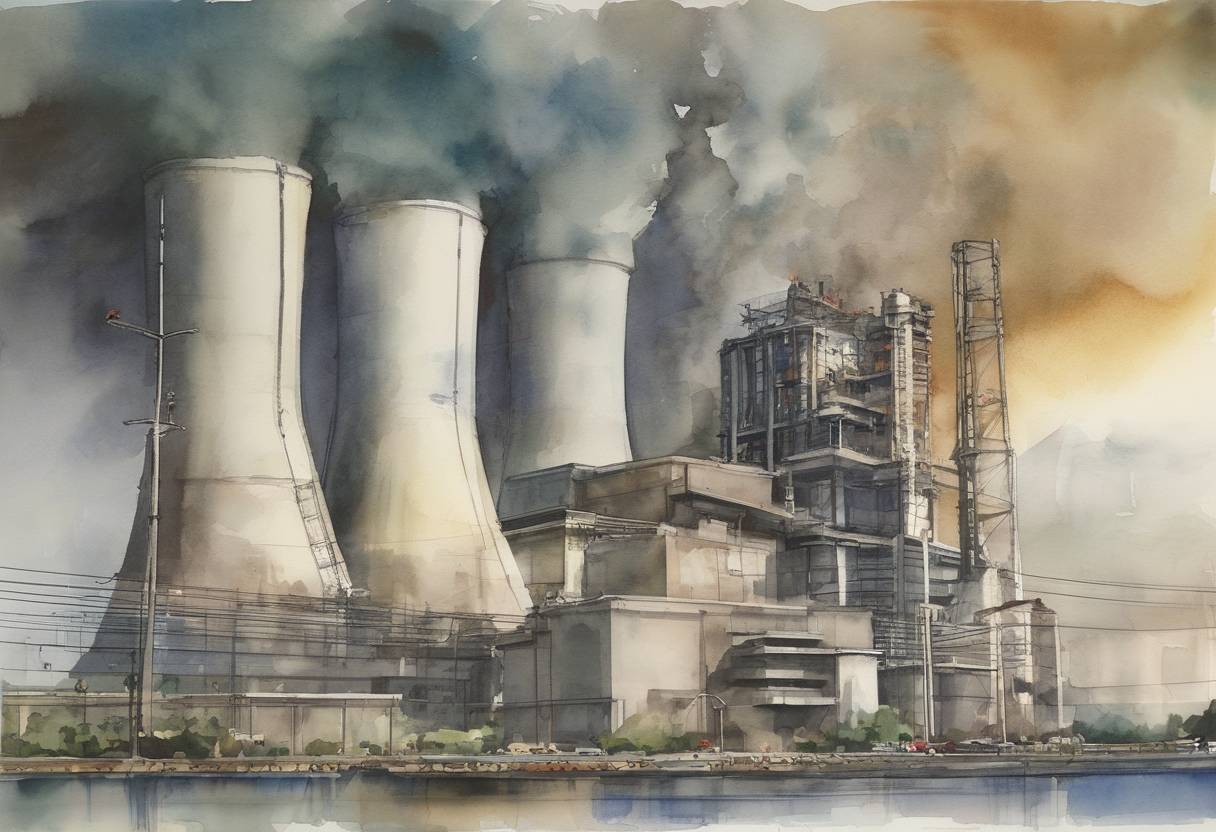
On May 4, 2012, Japan marked a significant moment in its energy history by shutting down its last operating nuclear reactor, the No. 3 reactor at the Tomari Nuclear Power Plant in Hokkaido. This event left the country without nuclear power for the first time since 1970, a direct consequence of the Fukushima Daiichi nuclear disaster that occurred in March 2011.
Fukushima Daiichi Disaster: On March 11, 2011, a massive earthquake and tsunami struck Japan, leading to catastrophic failures at the Fukushima Daiichi Nuclear Power Plant. This disaster resulted in the release of radioactive materials and prompted widespread evacuations, raising serious concerns about the safety of nuclear energy in Japan.
Public and Political Response: The Fukushima incident led to a significant shift in public opinion against nuclear power. There were widespread protests and calls for a reevaluation of Japan’s energy policies. The government, led by Prime Minister Naoto Kan at the time, faced immense pressure to ensure the safety of its nuclear facilities.
Safety Inspections and Stress Tests: In the aftermath of Fukushima, the Japanese government mandated comprehensive safety inspections and stress tests for all nuclear reactors. These measures were intended to assess the reactors’ ability to withstand natural disasters and prevent future accidents.
Gradual Shutdown of Reactors: As reactors underwent these tests, they were gradually taken offline. By May 2012, all 50 of Japan’s nuclear reactors had been shut down, with the Tomari No. 3 reactor being the last to cease operations.
Energy Policy Shift: The shutdown marked a pivotal shift in Japan’s energy policy. The country, which had relied on nuclear power for about 30% of its electricity, had to increase its dependence on fossil fuels, such as coal, oil, and natural gas, leading to higher energy costs and increased carbon emissions.
Economic and Environmental Impact: The increased reliance on imported fossil fuels strained Japan’s economy and contributed to a rise in greenhouse gas emissions, challenging the country’s environmental commitments.
Nuclear Restarts and Policy Debates: In the years following the shutdown, Japan faced ongoing debates about the future of nuclear energy. Some reactors were eventually restarted under stricter safety regulations, but public opposition remained strong, influencing Japan’s long-term energy strategy.
The shutdown of Japan’s nuclear reactors in 2012 highlighted the complex balance between energy security, economic considerations, and public safety. It underscored the global challenges of managing nuclear energy in the wake of disasters and contributed to broader discussions about sustainable and safe energy sources worldwide. The events following Fukushima continue to influence energy policies and public perceptions of nuclear power both in Japan and internationally.
Source: www.world-nuclear.org