Milestone in Medical Imaging: The First 3D CT Scan Reconstruction
1983 · San Francisco, United States
The first three-dimensional reconstruction of a human head in a CT scan was published, marking a milestone in medical imaging technology.
July 2, 2001
The world's first self-contained artificial heart, the AbioCor, was implanted in a patient at Jewish Hospital in Louisville, Kentucky.
Louisville, United States | Abiomed
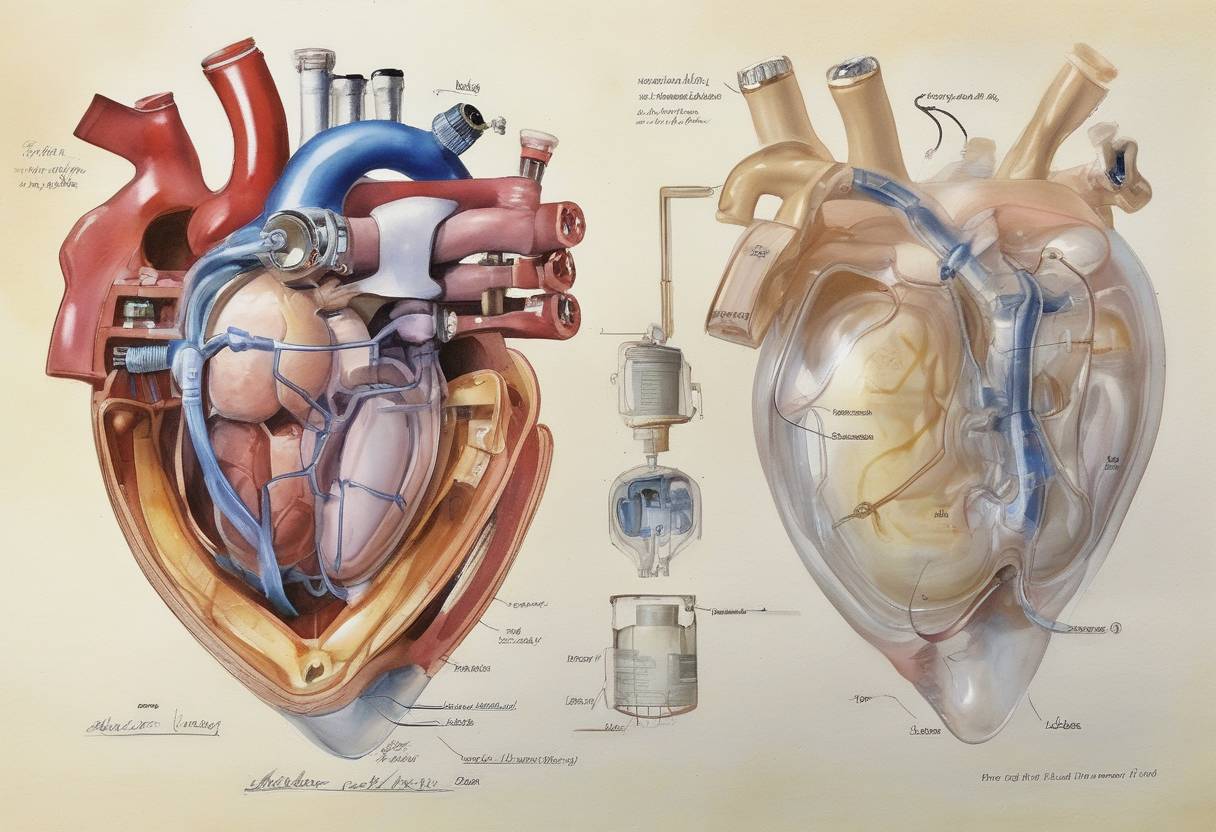
On July 2, 2001, a groundbreaking medical procedure took place at Jewish Hospital in Louisville, Kentucky, marking a significant milestone in the field of cardiology and medical technology. The world’s first self-contained artificial heart, known as the AbioCor, was successfully implanted into a patient. This event represented a pivotal moment in the quest to develop viable alternatives to heart transplants for patients with end-stage heart failure.
The development of the AbioCor artificial heart was spearheaded by Abiomed, a company specializing in medical devices. Prior to the AbioCor, artificial hearts had been used primarily as temporary solutions, bridging patients to heart transplants. However, these devices were often cumbersome, requiring external connections and limiting patient mobility.
The AbioCor was designed to overcome these limitations. It was a fully implantable device, powered by a transcutaneous energy transmission system, which allowed it to operate without external wires penetrating the skin. This innovation aimed to reduce the risk of infection and improve the quality of life for patients.
The recipient of the first AbioCor implant was Robert Tools, a 59-year-old man suffering from severe heart failure. Traditional heart transplant options were not viable for Tools due to his medical condition, making him an ideal candidate for this experimental procedure.
The surgery was performed by a team of skilled surgeons led by Dr. Laman Gray and Dr. Robert Dowling. The procedure involved removing the patient’s diseased heart and replacing it with the AbioCor device. The surgery was complex and required meticulous precision, but it was successfully completed, marking a historic achievement in medical science.
The implantation of the AbioCor artificial heart was a significant advancement in the treatment of heart disease. It demonstrated the potential for artificial hearts to serve as long-term solutions for patients who are not candidates for traditional heart transplants.
Robert Tools lived for 151 days with the AbioCor device, which was longer than any previous patient with a fully implantable artificial heart. His experience provided valuable insights into the functionality and challenges of such devices, paving the way for further research and development.
While the AbioCor was eventually deemed not commercially viable due to its complexity and the specific patient criteria required, it laid the groundwork for future innovations in artificial heart technology. The lessons learned from the AbioCor project have contributed to ongoing advancements in the field, with newer devices continuing to improve upon its design and functionality.
The implantation of the AbioCor artificial heart on July 2, 2001, was a landmark event in medical history. It showcased the potential of technology to transform healthcare and offered hope to patients with limited treatment options. Although the journey of artificial heart development continues, the AbioCor remains a testament to human ingenuity and the relentless pursuit of medical breakthroughs.
Source: www.nytimes.com