SpaceShipOne: The First Privately Funded Spacecraft to Achieve Spaceflight
2004 · Mojave, United States
SpaceShipOne becomes the first privately funded spacecraft to achieve spaceflight.
June 22, 2004
The SpaceShipOne becomes the first privately-funded spacecraft to achieve spaceflight, marking a significant milestone in private space exploration.
Mojave, United States | Scaled Composites
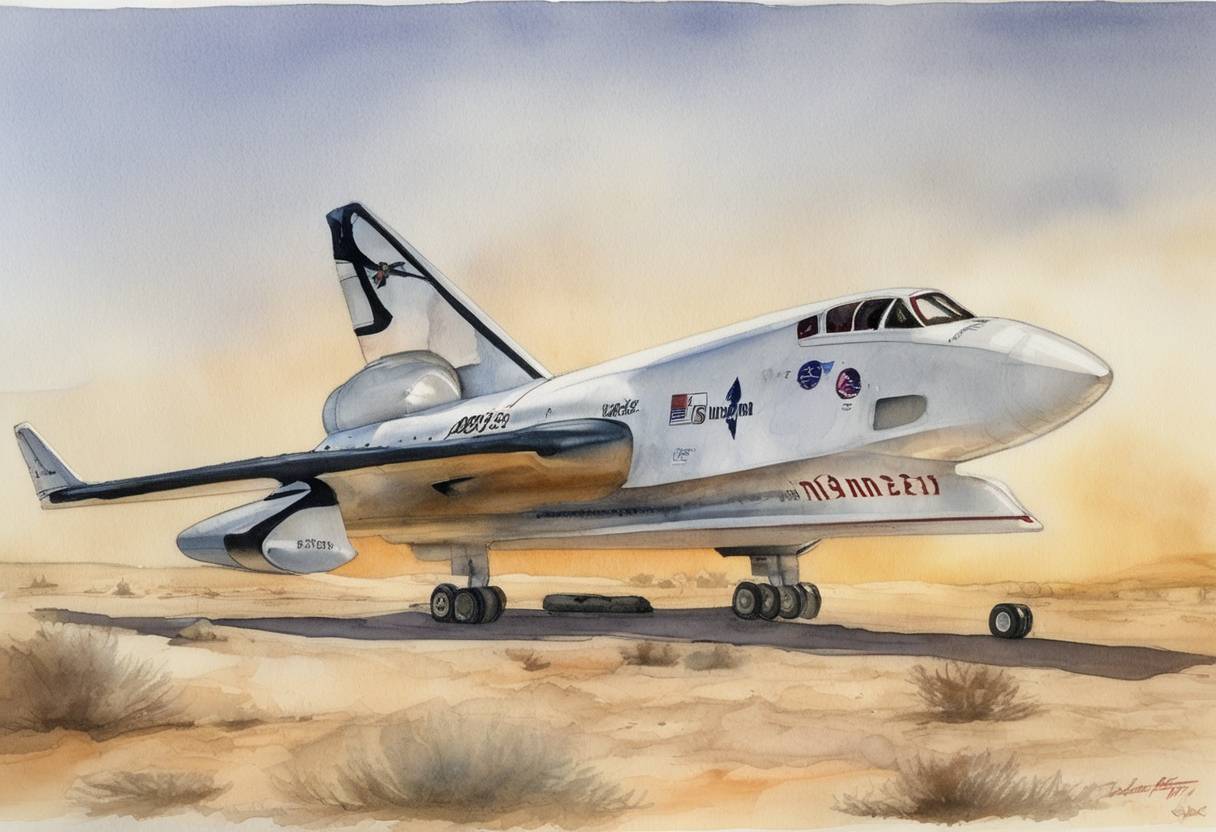
On June 21, 2004, SpaceShipOne became the first privately-funded spacecraft to reach the boundary of space, achieving a significant milestone in the arena of private space travel. Designed by aerospace engineer Burt Rutan and financed by Microsoft co-founder Paul Allen, SpaceShipOne’s flight marked a pivotal moment in the democratization of space exploration, paving the way for private and commercial endeavors.
SpaceShipOne was developed by Scaled Composites, a company led by Rutan, as part of the Tier One program. The spacecraft was designed to win the Ansari X Prize, a competition established to encourage the development of private passenger-carrying spacecraft. The prize promised $10 million to the first team that could build a reusable spacecraft capable of carrying three people to an altitude of 100 kilometers (62 miles) and return safely to Earth, then repeat the flight within two weeks.
SpaceShipOne’s successful flight was a groundbreaking event, demonstrating that space travel was no longer the exclusive domain of national space agencies. It inspired a new generation of private space enterprises, encouraging investment and innovation. The achievement underscored the potential for commercial and civilian presence in space, eventually leading to the foundation of Virgin Galactic and other companies focused on space tourism and exploration.
SpaceShipOne’s accomplishment in June 2004 is celebrated as a landmark step that shifted the paradigm of how humanity approaches space travel, highlighting the potential for private initiative and public-private partnerships in progressing space exploration and technology.
Source: www.nasa.gov