The First Blood Transfusion in England: November 14, 1666
1666 · Oxford, England
Samuel Pepys reports on the first blood transfusion performed on a dog by Richard Lower in England.
March 25, 1811
Percy Bysshe Shelley was expelled from the University of Oxford for publishing a pamphlet titled 'The Necessity of Atheism'.
Oxford, United Kingdom | University of Oxford
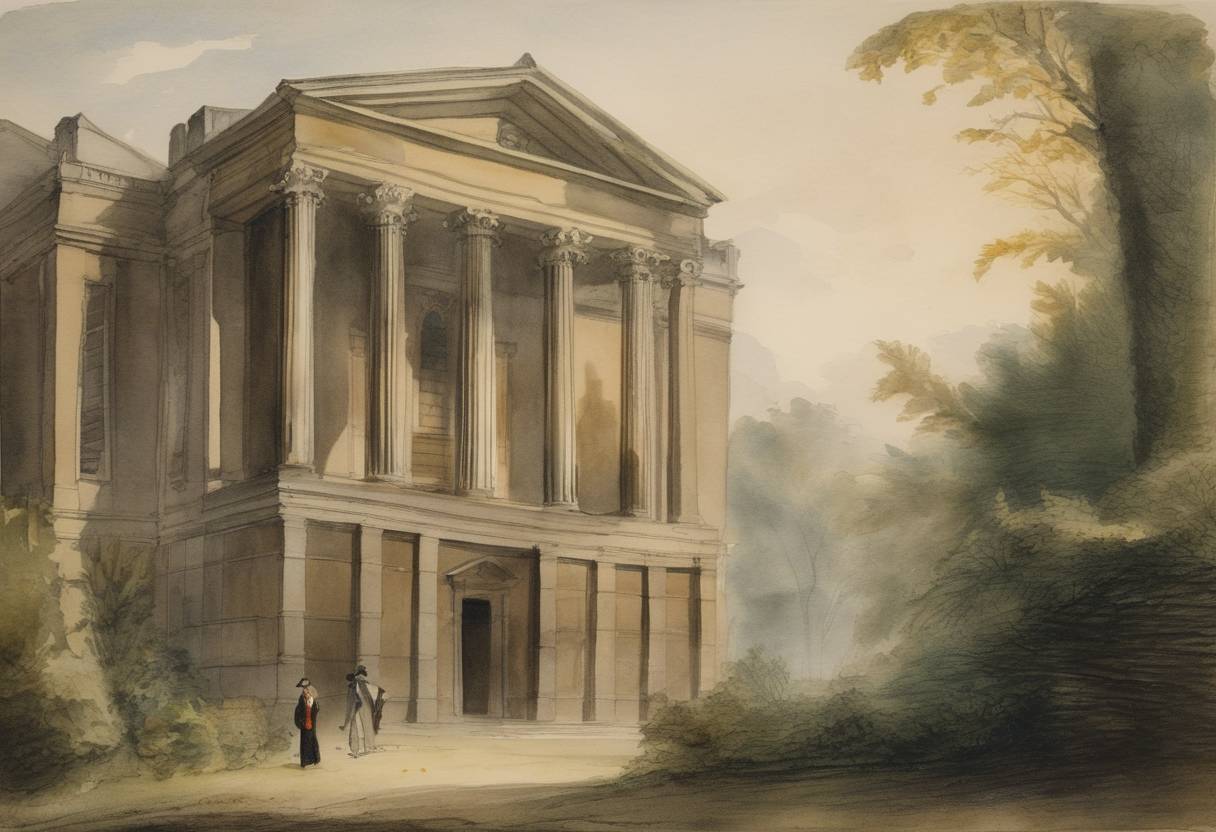
On March 25, 1811, Percy Bysshe Shelley, an English Romantic poet, was expelled from the University College at Oxford University. The cause of his expulsion was the publication of a provocative pamphlet titled The Necessity of Atheism. Shelley, at the time a freshman, distributed this pamphlet, which questioned the existence of God and challenged the religious orthodoxy of the period.
Percy Bysshe Shelley entered University College, part of the University of Oxford, in 1810. He was already known for his radical ideas and rebellious nature, enthusiastically engaging with contemporary ideas about science, politics, and religion. The pamphlet, which Shelley co-wrote with his friend Thomas Jefferson Hogg, argued in favor of skepticism and atheism by asserting that belief should be founded on empirical evidence rather than faith or tradition.
The Necessity of Atheism was a brief, yet incisive essay that employed rationalist and empiricist rhetoric. Shelley and Hogg argued that religion and belief in God should be subject to the same scrutiny as any other claim or hypothesis. Their goal was to provoke thought and encourage individuals to question accepted beliefs, which was a highly subversive stance given the prevailing religious sentiments of the era.
The pamphlet’s distribution was met with significant backlash. Oxford’s administration, adhering to strict religious and moral standards, deemed the work an explicit challenge to the institution’s religious underpinnings. Shelley was summoned before the college’s administrators and asked to disavow the publication. His refusal to recant his views or discuss the pamphlet resulted in his expulsion.
This expulsion was a turning point in Shelley’s life, marking the beginning of a tumultuous career filled with further controversies and literary achievements. The incident also strained relations with his family, who disapproved of his atheistic views, and contributed to the broader narrative of Shelley’s reputation as a radical thinker.
Following his expulsion, Shelley continued to pursue a path marked by literary and personal rebellion. His subsequent works, including poems such as Ozymandias, Prometheus Unbound, and Queen Mab, reflected his enduring commitment to exploring themes of political and social reform, human freedom, and intellectual inquiry.
Shelley’s expulsion from Oxford for The Necessity of Atheism is often cited as a defining moment in both his life and the broader context of the Romantic period, illustrating the tensions between established institutions and emergent radical ideas that characterized the era. His life and works remain influential, inspiring future generations to seek intellectual freedom and challenge societal norms.
Source: en.wikipedia.org