Establishment of the International Criminal Court (ICC)
2002 · The Hague, Netherlands
The International Criminal Court (ICC) was established to prosecute individuals for genocide, crimes against humanity, and war crimes.
March 1, 2003
The International Criminal Court (ICC) held its inaugural session. The ICC is established to help end impunity for perpetrators of the most serious crimes of concern to the international community.
The Hague, Netherlands | International Criminal Court
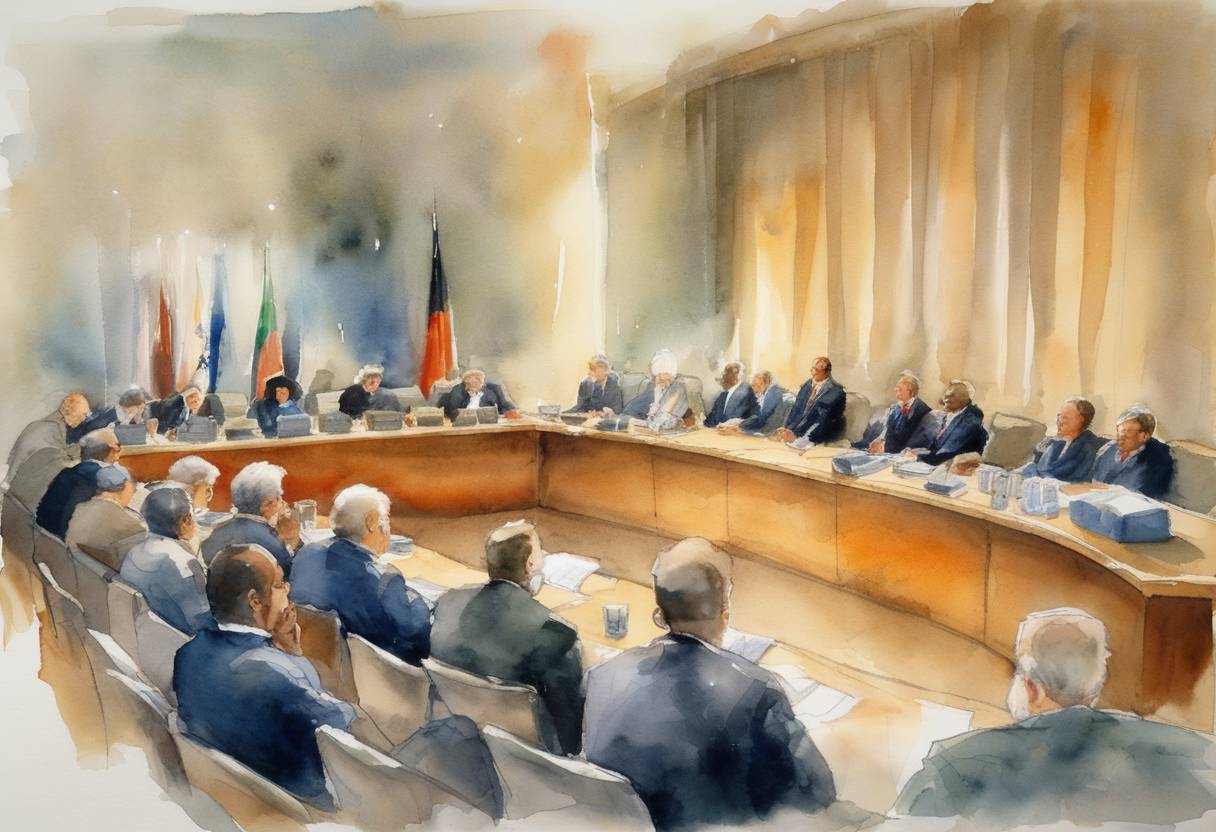
On March 1, 2003, the International Criminal Court (ICC) held its inaugural session, marking a significant milestone in international law and justice. The establishment of the ICC aimed to address the most egregious crimes, such as genocide, war crimes, crimes against humanity, and the crime of aggression, thereby ending impunity for perpetrators of these grave offenses.
The ICC was established by the Rome Statute, a multilateral treaty adopted on July 17, 1998. The statute provided the legal and institutional framework necessary for setting up an independent and permanent international court. It officially came into force on July 1, 2002, after garnering the requisite 60 ratifications from UN member states.
The inauguration ceremony in The Hague, Netherlands, was a significant moment highlighting the international community’s commitment to enforcing international criminal law. The ICC represented a landmark development in the post-World War II effort to establish a global judicial body capable of prosecuting individuals for serious international crimes, which national courts might be unwilling or unable to pursue.
Presided over by the Court’s first and inaugural President, Philippe Kirsch from Canada, the session laid the groundwork for the operational aspects of the Court. During this session, the Court’s judges convened to begin settling the rules of procedure and evidence, as well as the court’s governance structure, to effectively conduct trials.
The ICC has since taken on numerous cases and opened investigations in various parts of the world, reinforcing its commitment to justice and accountability. While challenges regarding cooperation from some nations persist, the ICC’s establishment and inaugural session represent a critical step in the pursuit of global justice and the protection of human rights.
The inaugural session of the ICC on March 1, 2003, was a pivotal event in international law, setting in motion the functioning of an institution designed to address the most serious concerns affecting the global community. The ICC plays a vital role in the international justice system, embodying the principles of accountability and the rule of law.
Source: www.icc-cpi.int