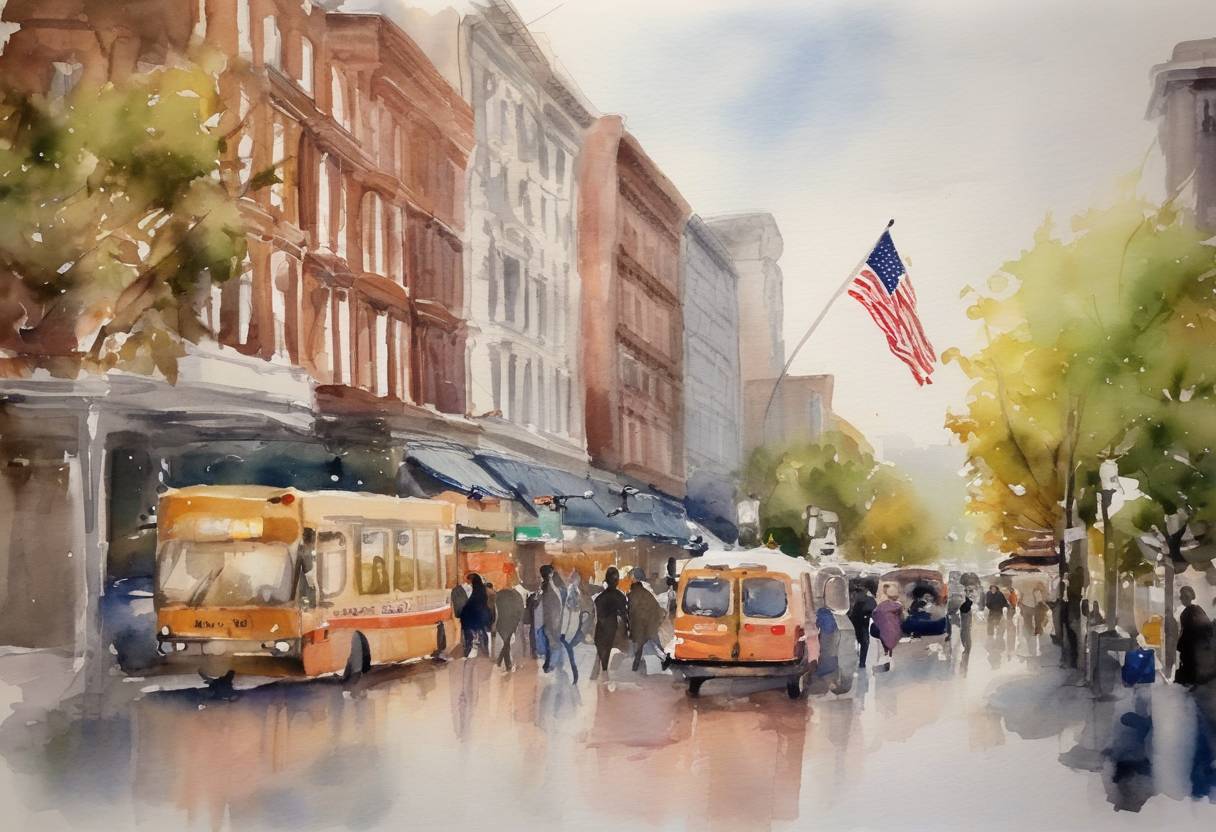
Reopening of U.S. Borders to Vaccinated Travelers on November 9, 2021
On November 9, 2021, the United States government reopened its borders to fully vaccinated international travelers from 33 countries after implementing nearly 20 months of strict travel restrictions due to the COVID-19 pandemic. This significant policy shift marked a crucial step in the global recovery from the pandemic’s widespread disruptions and economic impact.
Background and Context
Initial Restrictions: In March 2020, the U.S. enacted travel bans on numerous countries to curb the spread of COVID-19, severely restricting international travel. These restrictions primarily targeted non-U.S. citizens or permanent residents attempting to enter from regions experiencing high transmission rates.
Affected Regions: The ban included most European countries within the Schengen Zone, the United Kingdom, China, and eventually expanded to include other regions as the pandemic evolved.
Impact: These measures significantly impacted international tourism, business travel, and personal visits, affecting millions globally. U.S. travel and hospitality industries experienced profound economic setbacks.
Reopening Details
Eligible Travelers: As of November 9, travelers from the Schengen Zone, the UK, China, Brazil, South Africa, India, and other nations were permitted entry, provided they were fully vaccinated against COVID-19.
Vaccination Requirements: Accepted vaccines included those authorized for emergency use by the World Health Organization (WHO) or the U.S. Food and Drug Administration (FDA).
Entry Protocols: Alongside proof of full vaccination, travelers were required to present a negative COVID-19 test taken within three days before travel. Additionally, there were testing and contact tracing procedures in place to monitor incoming travelers.
Consequences and Significance
Boost to Travel and Tourism: The reopening was a critical measure to revive the international and domestic tourism sectors, facilitating family reunifications, and allowing businesses to regain momentum.
Economic Implications: This decision had a revitalizing effect on various sectors, including airlines, hospitality, and retail, contributing to the broader economic recovery efforts post-pandemic.
Global Relations and Diplomacy: By allowing vaccinated citizens from heavily affected regions back into the country, the U.S. sought to strengthen diplomatic ties with its international partners, signaling a move towards normalcy and international cooperation.
This pivotal change underscored the importance of widespread vaccination efforts and international collaboration in overcoming the pandemic’s challenges. It highlighted shifts in global travel policies adapting to new public health landscapes and ongoing challenges.