The Reopening of the Leaning Tower of Pisa: December 16, 2001
2001 · Pisa, Italy
The Leaning Tower of Pisa reopened to the public after 11 years of stabilization work to prevent it from collapsing.
February 27, 1964
The Italian government asked for help to keep the Leaning Tower of Pisa from toppling over entirely.
Pisa, Italy | Italian Government
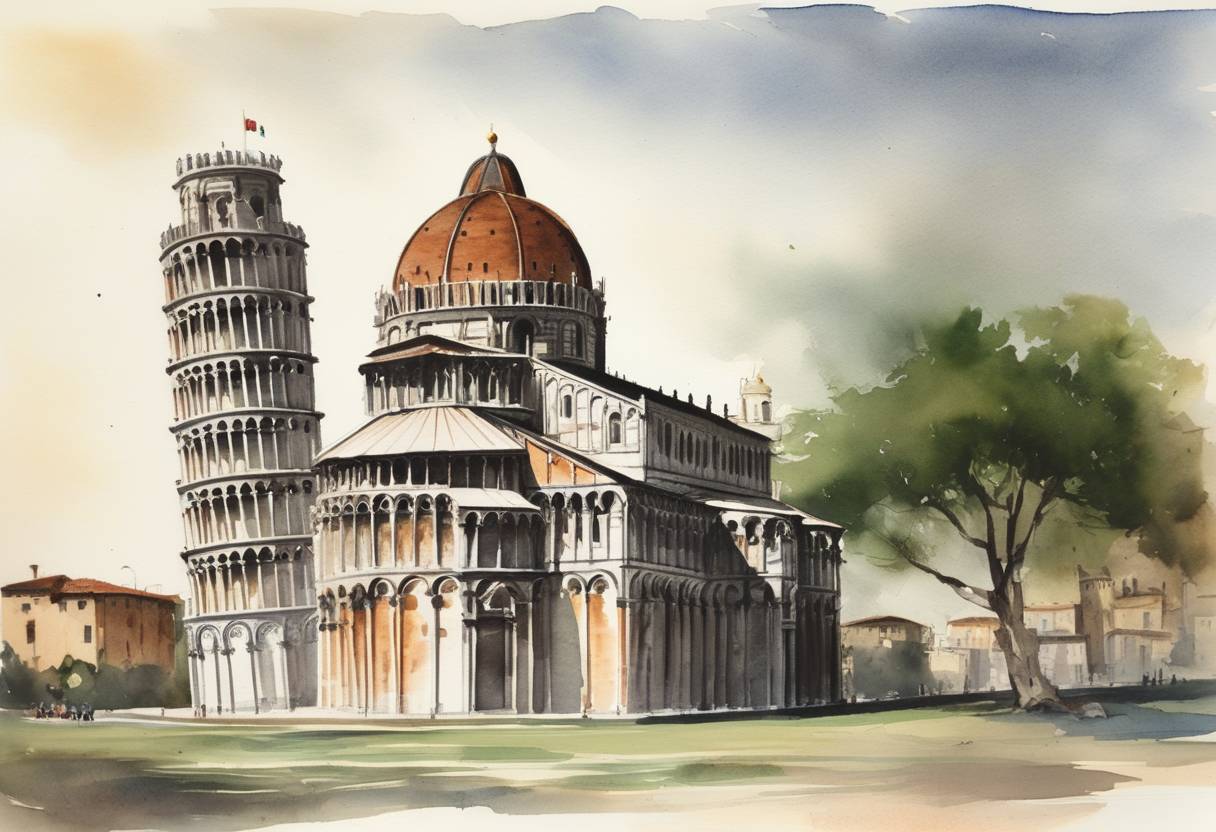
On February 27, 1964, the Italian government made an urgent appeal to the international community to help preserve the iconic Leaning Tower of Pisa. This historic landmark, renowned for its unintended tilt, faced a serious risk of collapse, which prompted a concerted effort to stabilize it.
The Leaning Tower of Pisa, a quintessential symbol of medieval European architecture and engineering, began construction in 1173. Almost immediately, the structure began to lean due to a poorly laid foundation on soft, unstable soil. Despite various attempts to correct its tilt over the centuries, by the 20th century, the inclination had worsened significantly, prompting widespread concern over its stability.
By the 1960s, the inclination of the tower had increased to such an extent that experts warned of its potential collapse. This situation was exacerbated by the natural settling of Pisa’s subsoil and the passenger traffic through the area that added to the stresses on the bell tower.
Recognizing the historical and cultural significance of the tower, the Italian government sought expertise from engineers and architects worldwide to devise a plan for its preservation. This marked one of the early collaborative international efforts to conserve global heritage sites.
The urgent call from Italy eventually led to a series of interventions beginning in the 1990s, which involved soil extraction techniques to physically stabilize the structure. These efforts successfully reduced the tilt to a safer angle, ensuring that the tower would remain standing for future generations.
The 1964 appeal for help symbolizes the global recognition of cultural heritage’s importance and the necessity of preserving historical structures. It set a precedent for international cooperation in the preservation of cultural landmarks, underscoring the shared responsibility to safeguard human history.
The Leaning Tower of Pisa remains a testament to both the ingenuity and the challenges of preservation in architecture, celebrated today not just for its beauty but its resilience.