Opel Begins Automobile Production - January 21, 1899
1899 · Rüsselsheim, Germany
Opel begins automobile production. This marks the German company's transition from manufacturing sewing machines to producing automobiles.
January 24, 1899
The Opel factory in Rüsselsheim, Germany, began automobiling production, marking the company's transition from bicycle manufacturing to automobile production.
Rüsselsheim, Germany | Opel
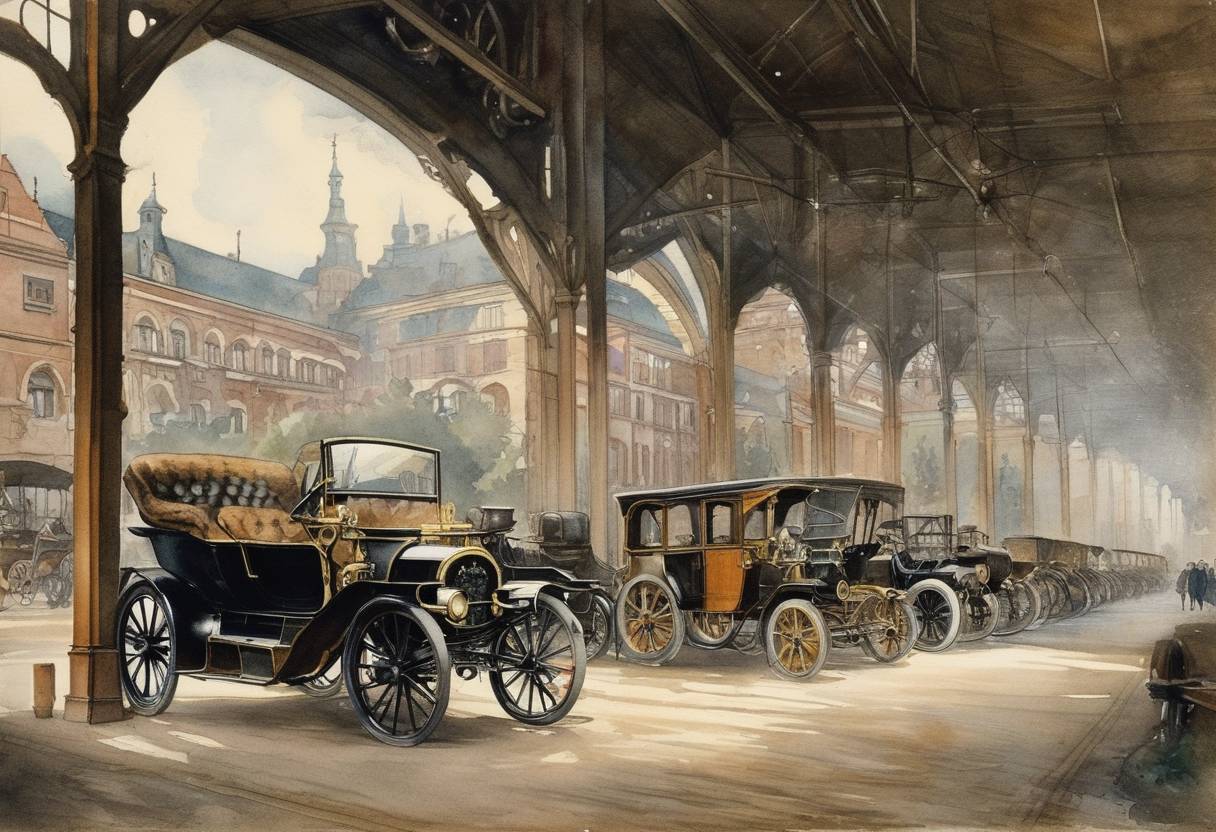
On January 24, 1899, a significant transformation occurred in the German industrial landscape when the Opel factory in Rüsselsheim began its foray into automobile production. This marked the company’s transition from its earlier focus on manufacturing bicycles to becoming one of Germany’s pioneering automobile manufacturers.
Founded in 1862 by Adam Opel, initially as a sewing machine manufacturer, Opel expanded into bicycle production in 1886. By the late 19th century, the company had established itself as a leading player in the bicycle market, which set the stage for further diversification. The landscape of personal transportation was rapidly evolving, with the advent of motor vehicles heralding a new era of mobility.
In 1898, the strategic decision to enter the automotive sector was made when Opel partnered with Friedrich Lutzmann, a skilled engineer and automobile designer. This collaboration led to the production of Opel’s first automobile, dubbed the “Opel Patent Motor Car, System Lutzmann.” This model, which began production in early 1899, marked Opel’s official transition into the automobile industry.
The Model Lutzmann was a two-seater vehicle offering a novel form of transportation, showcasing the potential of motorized vehicles. Though initially met with curiosity and skepticism, Opel’s commitment to innovation and quality soon positioned the company as a credible competitor in the burgeoning automobile sector.
The transition to automobile production laid the foundation for Opel’s eventual rise as one of Europe’s major car manufacturers. This shift not only reflected the industrial trends of the era but also underscored Opel’s adaptive strategy to seize new market opportunities, driven by technological advancements.
In conclusion, January 24, 1899, stands as a landmark date for Opel and the automotive industry, highlighting a pivotal moment of early automotive innovation and strategic diversification. This venture into automobile manufacturing would eventually lead Opel to become a household name in the global automotive landscape.
Source: www.opel.com