Global COVID-19 Milestone: 60 Million Cases
2020 · New York City, United States
The United Nations announced that the world had reached a new milestone of 60 million COVID-19 cases globally.
September 25, 2014
The United Nations Security Council held a meeting on the Ebola outbreak in West Africa, declaring it a threat to international peace and security.
New York City, United States | United Nations
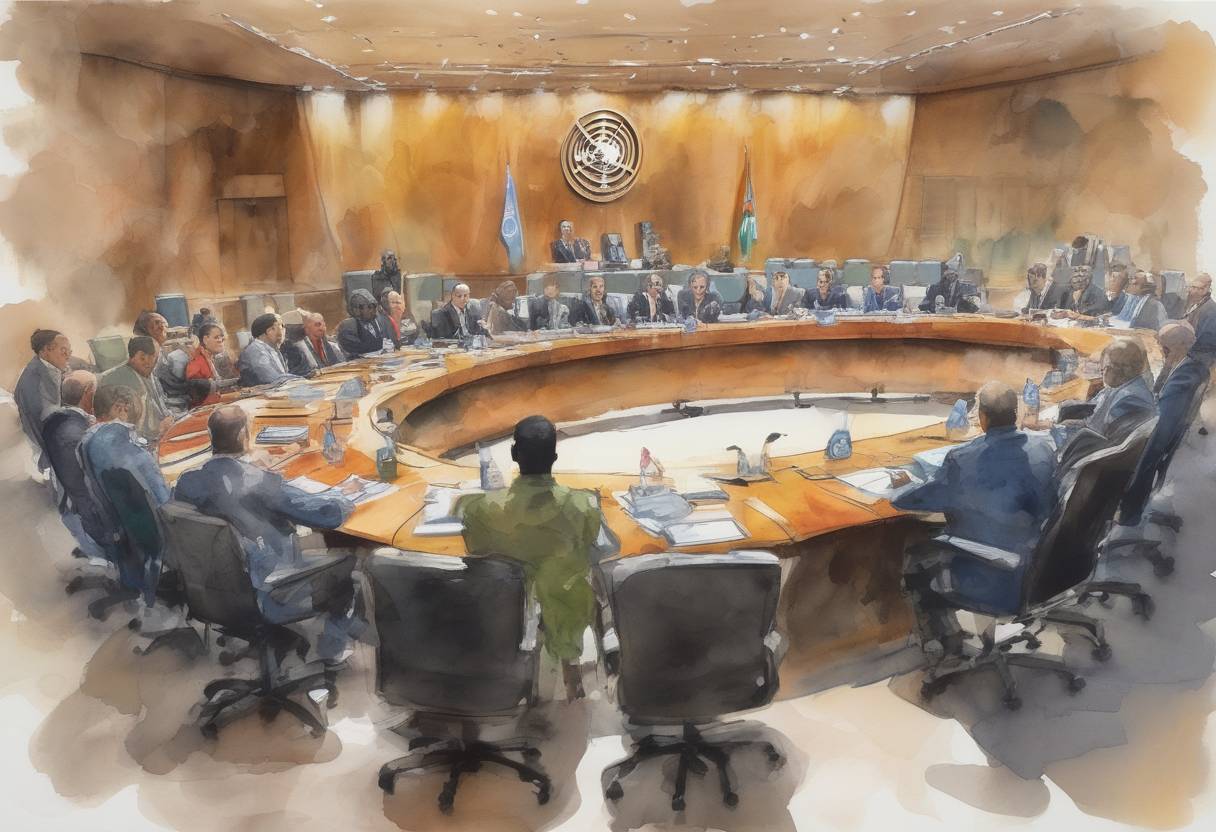
On September 25, 2014, the United Nations Security Council (UNSC) convened a critical meeting to address the escalating Ebola outbreak in West Africa. This meeting was significant as the UNSC declared the outbreak a threat to international peace and security, underscoring the severity of the crisis and the need for a coordinated global response.
The Ebola virus outbreak in 2014 was one of the most severe in history, primarily affecting Guinea, Liberia, and Sierra Leone. The outbreak began in December 2013 in Guinea and rapidly spread across borders, overwhelming local healthcare systems and causing widespread fear and disruption.
By September 2014, the World Health Organization (WHO) had reported thousands of cases and deaths, with the numbers continuing to rise. The outbreak’s rapid spread and high mortality rate prompted international concern, highlighting the need for urgent action to contain the virus and prevent further loss of life.
Escalation of the Outbreak: The Ebola virus spread rapidly across West Africa, with cases reported in urban areas, complicating containment efforts.
International Alarm: The outbreak’s severity prompted calls for international assistance, with affected countries struggling to manage the crisis due to limited healthcare infrastructure and resources.
Global Health Emergency: In August 2014, the WHO declared the Ebola outbreak a Public Health Emergency of International Concern (PHEIC), emphasizing the need for a coordinated international response.
During the meeting on September 25, 2014, the UNSC unanimously adopted Resolution 2177, which recognized the Ebola outbreak as a threat to international peace and security. This marked only the second time in history that the UNSC addressed a public health issue as a security threat, the first being the HIV/AIDS pandemic.
International Cooperation: The resolution called for increased international support and cooperation to combat the outbreak, urging member states to provide resources, expertise, and logistical support.
Humanitarian Assistance: It emphasized the need for immediate humanitarian assistance to the affected countries, including medical supplies, healthcare personnel, and financial aid.
Travel and Trade: The resolution discouraged travel and trade restrictions to and from the affected countries, which could exacerbate the economic and social impact of the outbreak.
Coordination Efforts: It highlighted the importance of coordinated efforts among the UN, WHO, and other international organizations to effectively respond to the crisis.
The UNSC’s declaration and the subsequent international response played a crucial role in mobilizing resources and support to combat the Ebola outbreak. The resolution facilitated a more coordinated global effort, leading to increased deployment of healthcare workers, establishment of treatment centers, and implementation of public health measures.
By the end of 2015, the outbreak was largely contained, although it had resulted in over 11,000 deaths and significant socio-economic impacts in the affected regions. The crisis underscored the importance of global health security and the need for robust international systems to respond to health emergencies.
The UNSC’s action on September 25, 2014, remains a pivotal moment in the international community’s approach to addressing global health threats, highlighting the interconnectedness of health and security in an increasingly globalized world.
Source: www.un.org