2016 · Lahore, Pakistan
A suicide bomb attack occurred in the city of Lahore, Pakistan, targeting Christians celebrating Easter in a park. The attack resulted in significant casualties.
December 16, 2014
A terrorist attack on the Army Public School in Peshawar, Pakistan, resulted in the deaths of 149 people, including 132 schoolchildren.
Peshawar, Pakistan | Tehrik-i-Taliban Pakistan
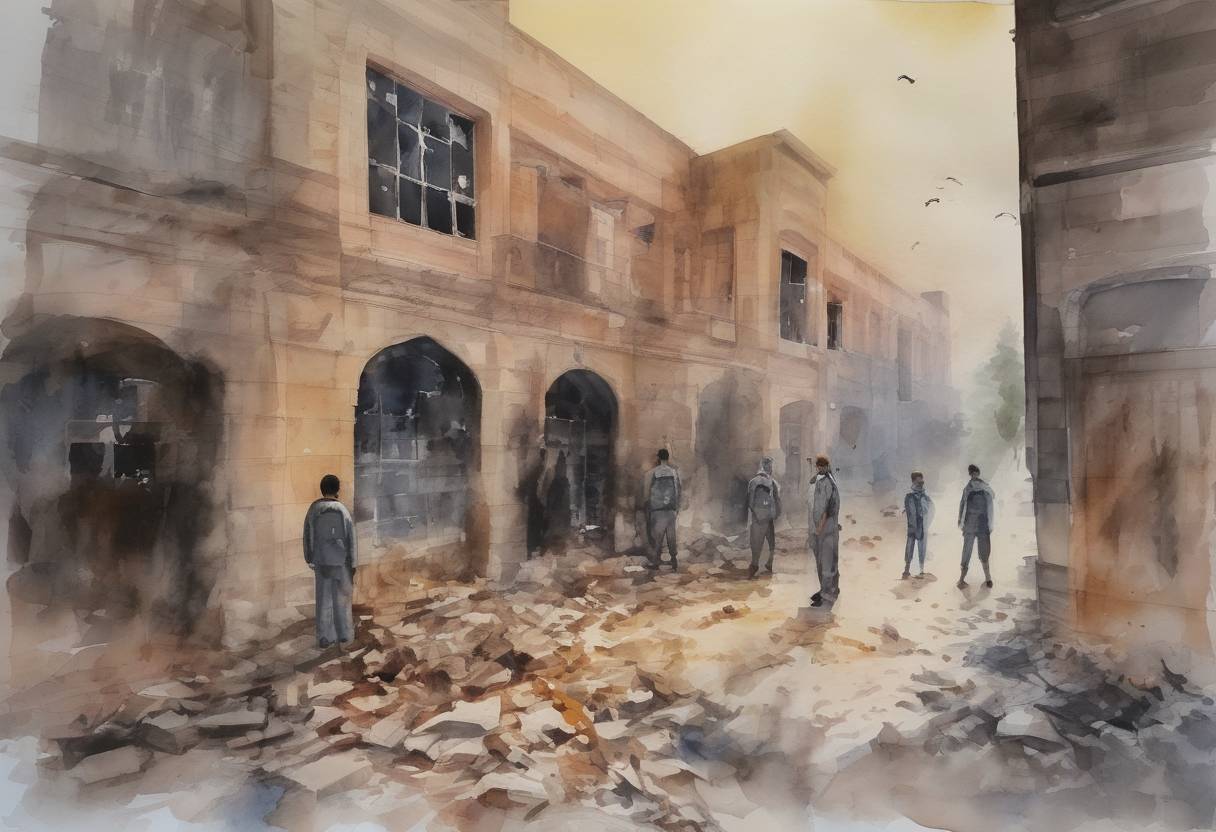
On December 16, 2014, a devastating terrorist attack occurred at the Army Public School in Peshawar, Pakistan. This tragic event resulted in the deaths of 149 individuals, including 132 schoolchildren, making it one of the deadliest attacks in Pakistan’s history.
The Army Public School, located in the northwestern city of Peshawar, was primarily attended by children of military personnel. At the time, Pakistan was embroiled in a long-standing conflict with various militant groups, including the Tehrik-i-Taliban Pakistan (TTP), an umbrella organization of various Islamist militant groups.
The Peshawar school massacre marked a turning point in Pakistan’s fight against terrorism. It galvanized public opinion and led to significant policy shifts aimed at combating extremism. The attack also highlighted the vulnerability of civilian targets in conflict zones and underscored the need for comprehensive strategies to protect educational institutions from such threats.
In the years following the attack, Pakistan has continued to grapple with the challenges of terrorism and extremism, striving to secure a safer future for its citizens while remembering the innocent lives lost on that tragic day.
Source: en.wikipedia.org