Venera 8: A Milestone in Space Exploration
1972 · Venus, Soviet Union
Venera 8, a Soviet space probe, successfully landed on Venus, transmitting data back to Earth for 50 minutes.
October 22, 1975
The Soviet spacecraft Venera 9 lands on Venus and sends back the first images from the surface of another planet.
Venus, Soviet Union | Soviet space program
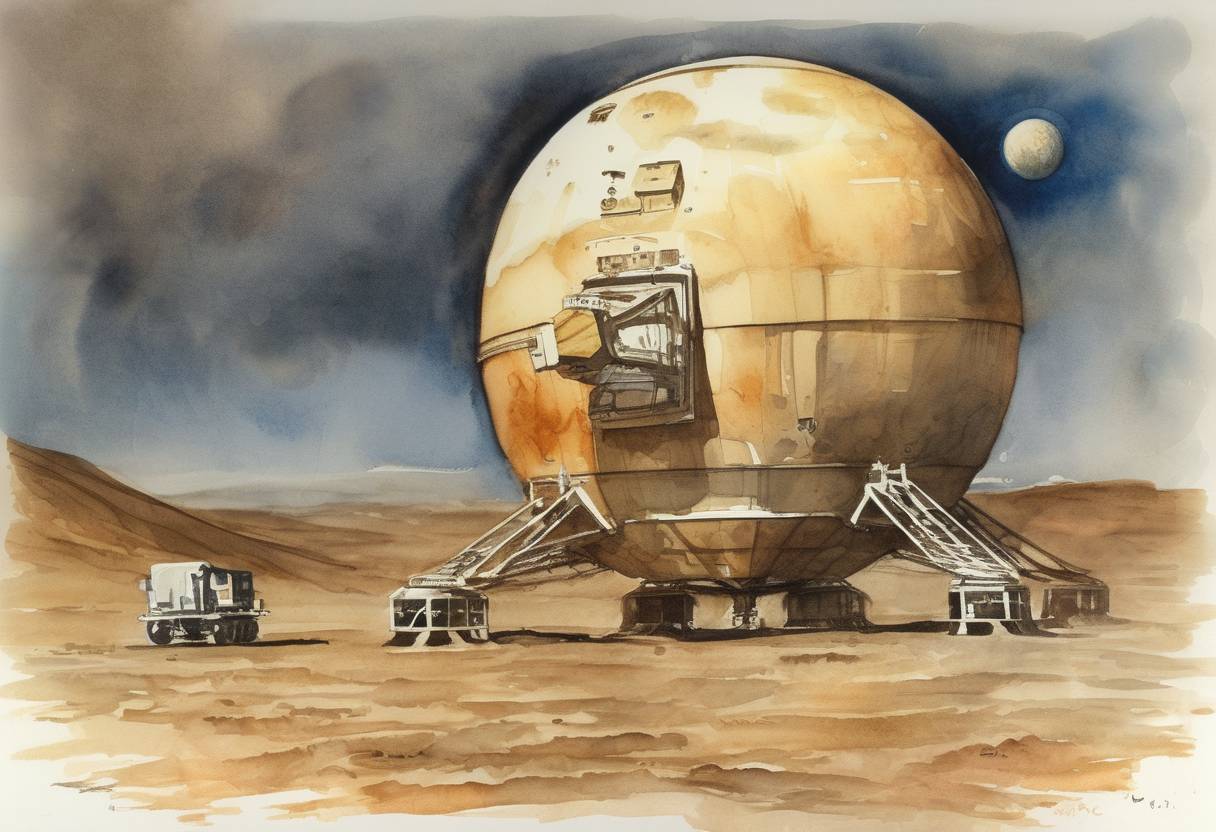
On October 22, 1975, the Soviet spacecraft Venera 9 made history by becoming the first human-made object to land on the surface of Venus and send back images, marking a significant milestone in space exploration.
The Venera program was a series of space missions developed by the Soviet Union with the goal of exploring Venus, Earth’s closest planetary neighbor. The program began in the early 1960s, and by the mid-1970s, the Soviets had developed the technology to withstand the harsh conditions of Venus’s surface.
The success of Venera 9 was a landmark achievement in planetary exploration. It demonstrated the feasibility of landing on and studying other planets, paving the way for future missions. The data collected helped scientists better understand Venus’s hostile environment and contributed to comparative planetology studies.
The Venera program continued with subsequent missions, further exploring Venus and solidifying the Soviet Union’s role as a pioneer in space exploration during the Cold War era. The images and data from Venera 9 remain a testament to human ingenuity and the quest for knowledge beyond our planet.
Source: en.wikipedia.org