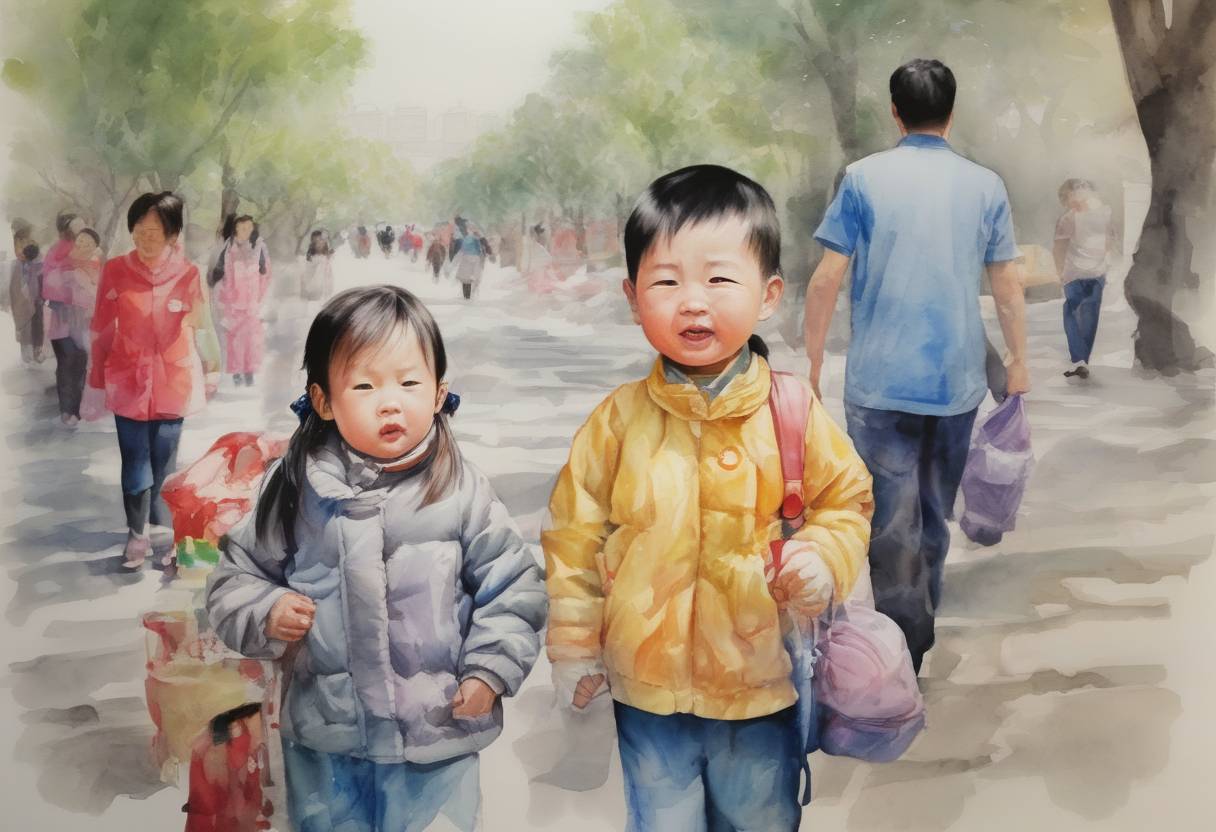
End of China’s One-Child Policy: October 28, 2015
On October 28, 2015, China announced a significant shift in its family planning policy by ending the decades-long one-child policy, allowing couples to have two children. This policy change was primarily aimed at addressing the challenges posed by the country’s aging population and shrinking workforce.
Background
- One-Child Policy Introduction: The one-child policy was introduced in 1979 by the Chinese government to curb the rapid population growth that was perceived as a hindrance to economic development and resource management.
- Implementation: The policy was strictly enforced through various measures, including financial penalties, loss of employment, and, in some cases, forced abortions and sterilizations.
- Exemptions: Over the years, certain exemptions were allowed, such as for ethnic minorities and rural families whose first child was a girl.
Reasons for Policy Change
- Aging Population: By 2015, China was facing a demographic crisis with a rapidly aging population. The proportion of elderly citizens was increasing, leading to concerns about the sustainability of social welfare systems.
- Shrinking Workforce: The working-age population was declining, threatening economic growth and the ability to support the aging population.
- Gender Imbalance: The policy had contributed to a significant gender imbalance due to a cultural preference for male children, resulting in a skewed sex ratio.
Policy Change
- Announcement: The decision to allow all couples to have two children was announced after a four-day meeting of the Communist Party’s Central Committee.
- Implementation: The new policy was implemented in early 2016, marking a significant shift in China’s approach to population control.
Consequences and Significance
- Population Growth: The policy change was expected to gradually increase the birth rate, though initial responses were mixed due to economic pressures and changing societal norms.
- Economic Impact: By potentially increasing the labor force in the long term, the policy aimed to bolster economic growth and support the aging population.
- Social Implications: The change reflected a shift in government priorities, acknowledging the need for a balanced demographic structure to ensure sustainable development.
Broader Historical Context
- Global Perspective: China’s one-child policy was one of the most extreme population control measures in modern history, drawing international attention and criticism for its human rights implications.
- Legacy: The policy’s legacy includes a profound impact on Chinese society, influencing family structures, gender roles, and the country’s demographic makeup.
The end of the one-child policy marked a pivotal moment in China’s social and economic policy, reflecting the government’s response to evolving demographic challenges and the need for sustainable development strategies.