Military Helicopter Crash in Nepal - May 14, 2015
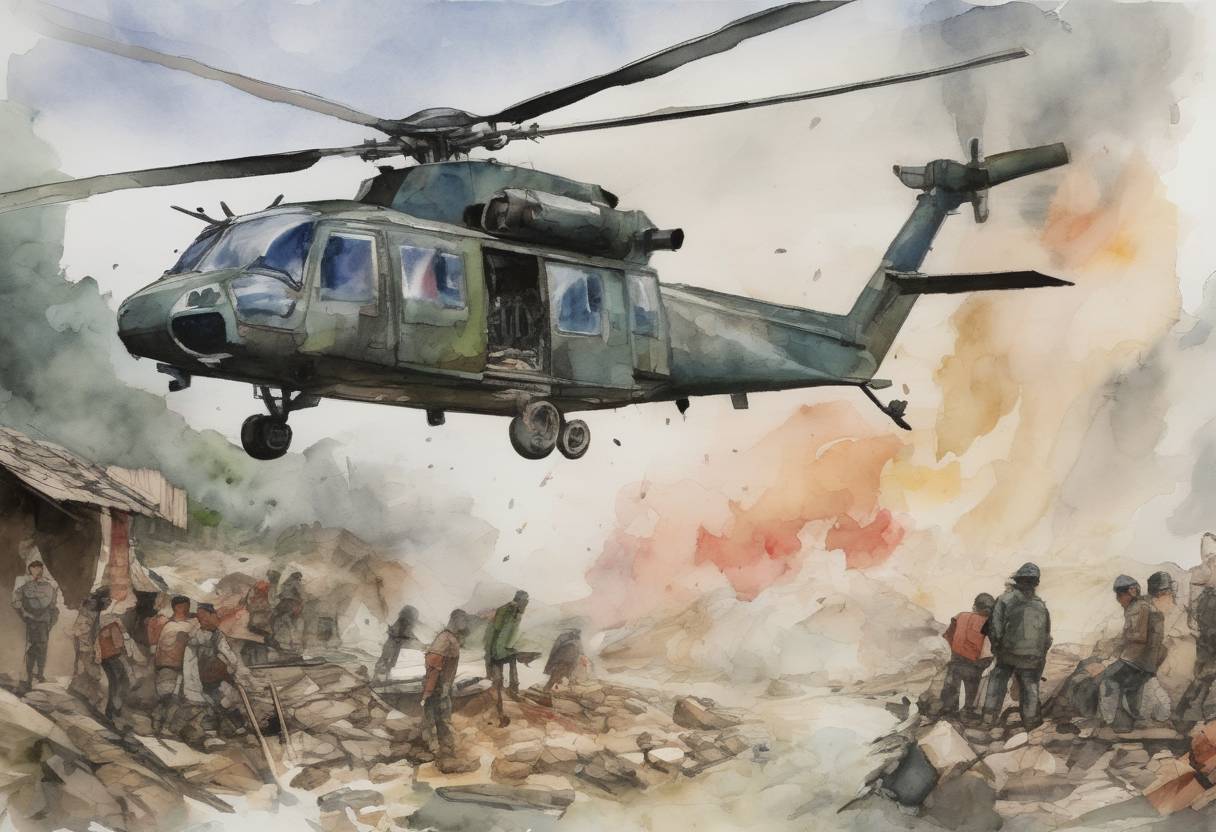
On May 14, 2015, a tragic helicopter crash occurred in Nepal, claiming the lives of all eight individuals on board. This incident involved a U.S. military helicopter, specifically a UH-1Y Huey, which was part of a relief mission following the devastating earthquake that struck Nepal in April 2015.
Context
April 2015 Nepal Earthquake: On April 25, 2015, a massive earthquake with a magnitude of 7.8 struck Nepal, causing widespread destruction and loss of life. The disaster prompted an international humanitarian response to provide aid and relief to the affected regions.
U.S. Involvement: The United States, along with other countries, participated in relief efforts to assist Nepal in the aftermath of the earthquake. The U.S. military deployed personnel and equipment to aid in the delivery of supplies and medical assistance to remote areas.
The Incident
Date and Location: The crash occurred on May 14, 2015, near Charikot, a town in the Dolakha District of Nepal.
Helicopter Details: The helicopter involved was a UH-1Y Huey, part of the U.S. Marine Corps. It was conducting a relief mission, transporting supplies to earthquake-affected areas.
Casualties: All eight individuals on board were killed in the crash. This included six U.S. Marines and two Nepalese soldiers who were assisting in the relief operations.
Investigation and Aftermath
Cause of the Crash: An investigation into the crash revealed that the helicopter went down due to a combination of factors, including challenging terrain and weather conditions. The mountainous region and the urgency of the relief mission added to the complexity of the operation.
Impact on Relief Efforts: Despite the tragedy, international and local relief efforts continued in Nepal. The incident highlighted the risks faced by those involved in humanitarian missions, especially in difficult and unpredictable environments.
Commemoration: The loss of life was mourned by both the United States and Nepal. The dedication and sacrifice of the individuals involved in the relief mission were honored by their respective governments and communities.
Broader Significance
The helicopter crash underscored the challenges of delivering aid in disaster-stricken areas and the inherent risks faced by military and humanitarian personnel. It also highlighted the importance of international cooperation in responding to natural disasters and the need for careful planning and execution of relief missions to ensure the safety of those involved.
This tragic event remains a somber reminder of the sacrifices made by individuals in the service of humanitarian efforts and the ongoing need for effective disaster response strategies.