The Lindbergh Kidnapping: March 1, 1932
1932 · Hopewell, United States
The Lindbergh kidnapping occurred when Charles Lindbergh Jr., the son of aviator Charles Lindbergh, was abducted from his family home in New Jersey.
May 18, 1927
The Bath School disaster occurs in Bath Township, Michigan, when a series of bombs set by school board treasurer Andrew Kehoe explode, killing 38 children and 6 adults in the deadliest school massacre in U.S. history.
Bath Township, United States | Bath Consolidated School
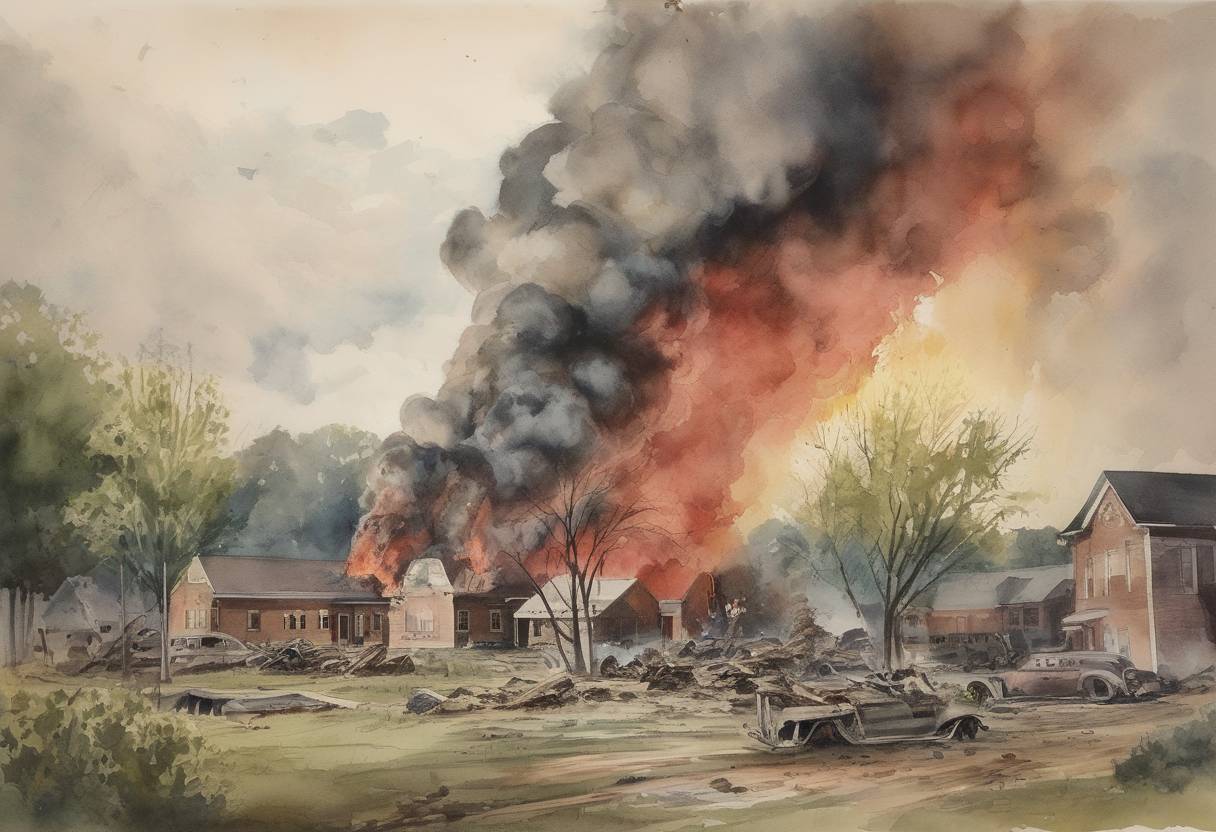
The Bath School disaster stands as the deadliest school massacre in U.S. history, occurring on May 18, 1927, in Bath Township, Michigan. This tragic event was orchestrated by Andrew Kehoe, a disgruntled school board treasurer, who meticulously planned and executed a series of bombings that resulted in the deaths of 38 children and 6 adults, with many others injured.
Andrew Kehoe was a local farmer and treasurer of the Bath Consolidated School board. Known for his meticulous nature and mechanical skills, Kehoe had become increasingly frustrated with rising taxes and financial difficulties, which he blamed on the school board’s decision to consolidate local schools. This consolidation had led to increased property taxes, exacerbating Kehoe’s financial woes.
The Bath School disaster is a pivotal moment in U.S. history, highlighting the devastating impact of domestic terrorism and the vulnerability of public spaces. It underscores the importance of community resilience and the need for vigilance in addressing grievances before they escalate into violence. The event is commemorated with a memorial at the site, honoring the victims and serving as a reminder of the tragic consequences of unchecked anger and despair.
Source: en.wikipedia.org