2014 · Jindo, South Korea
The South Korean ferry MV Sewol sank, resulting in the deaths of 304 passengers, mostly high school students.
September 28, 1994
The ferry MS Estonia sinks in the Baltic Sea, resulting in the deaths of 852 people, one of the worst maritime disasters of the 20th century.
Baltic Sea, International waters | Estline
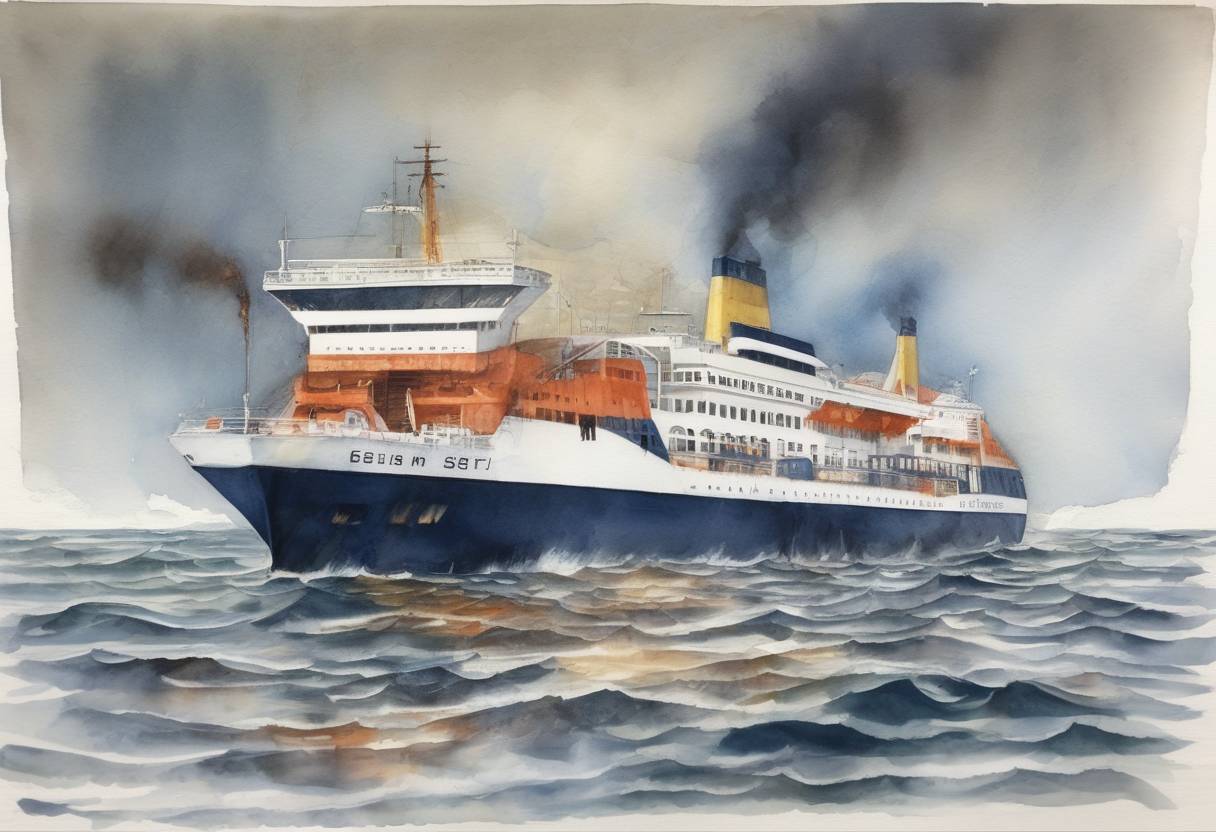
On September 28, 1994, the ferry MS Estonia sank in the Baltic Sea, marking one of the deadliest maritime disasters of the 20th century. The tragedy resulted in the loss of 852 lives out of the 989 passengers and crew on board.
The MS Estonia was a large passenger and car ferry, built in 1980 and operated by Estline. It was a popular vessel for travel between Tallinn, Estonia, and Stockholm, Sweden. On the night of the disaster, the ferry was en route from Tallinn to Stockholm, carrying a mix of passengers, including tourists, business travelers, and crew members.
Departure and Conditions: The ferry departed from Tallinn on the evening of September 27, 1994. The weather conditions were rough, with strong winds and high waves, typical for the Baltic Sea during that time of year.
Structural Failure: In the early hours of September 28, the ferry encountered severe weather conditions. The bow visor, a crucial part of the ship’s structure designed to protect the car deck, failed. This failure allowed water to flood the car deck, destabilizing the vessel.
Rapid Sinking: The flooding caused the ferry to list heavily to starboard, and within minutes, the situation became critical. The crew issued a distress signal, but the ship sank rapidly, making evacuation efforts extremely difficult.
Response: Nearby ships and rescue services responded to the distress call. However, the adverse weather conditions and the speed of the sinking hampered rescue operations.
Survivors: Out of the 989 people on board, only 137 survived. Many were rescued from lifeboats and life rafts in the frigid waters.
International Inquiry: An international joint investigation by Estonia, Finland, and Sweden was conducted. The final report, released in 1997, concluded that the bow visor failure was the primary cause of the disaster.
Safety Reforms: The tragedy led to significant changes in maritime safety regulations, particularly concerning the design and operation of ferries. These included improvements in the structural integrity of bow visors and enhanced safety protocols for passenger ships.
Memorials: The disaster had a profound impact on the countries involved, leading to numerous memorials and commemorations for the victims.
The sinking of the MS Estonia remains a poignant reminder of the vulnerabilities of maritime travel and the importance of stringent safety standards. It highlighted the need for international cooperation in maritime safety and led to reforms that have since improved the safety of sea travel worldwide.
Source: en.wikipedia.org