Barbados Gains Independence: November 30, 1966
1966 · Bridgetown, Barbados
Barbados gained independence from the United Kingdom, becoming a sovereign nation within the Commonwealth.
August 6, 1962
Jamaica gained independence from the United Kingdom, becoming a sovereign nation within the Commonwealth.
Kingston, Jamaica | United Kingdom
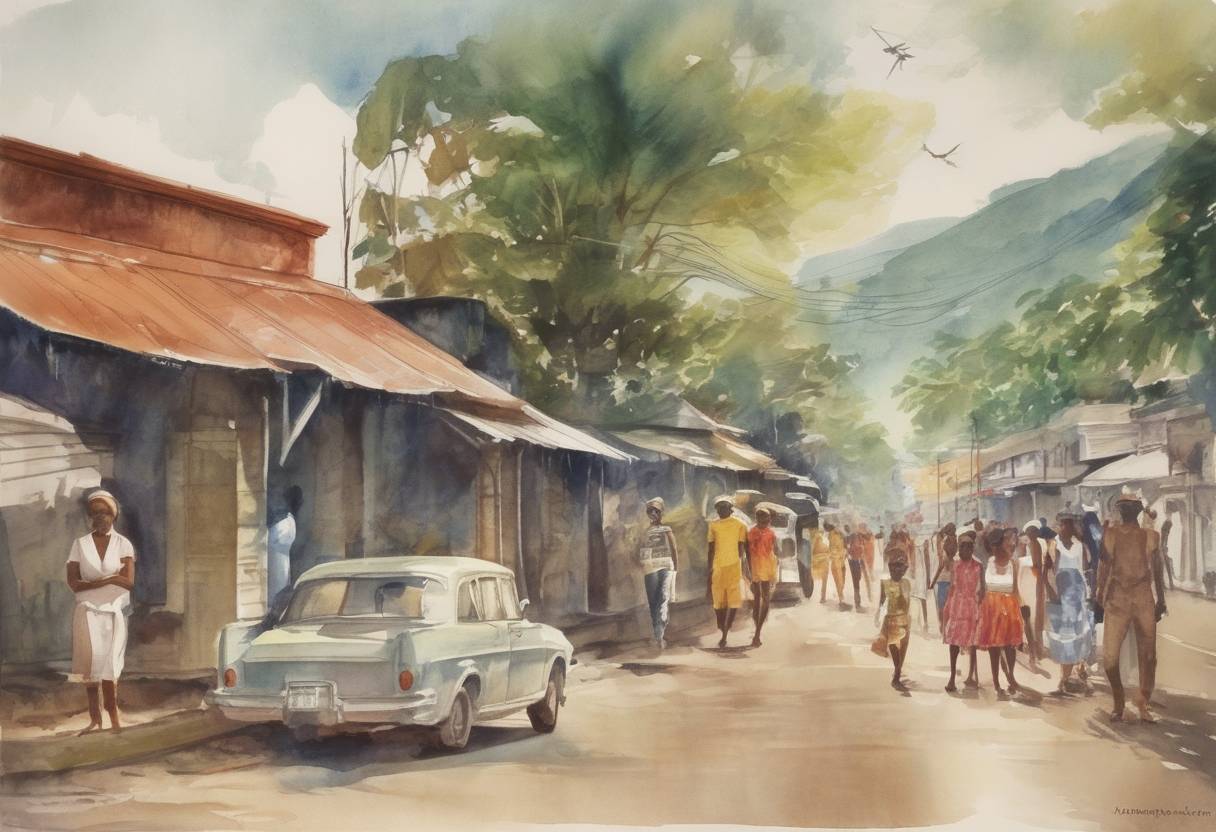
On August 6, 1962, Jamaica officially gained independence from the United Kingdom, marking a significant milestone in the island’s history. This event signaled Jamaica’s transition from a British colony to a sovereign nation within the Commonwealth of Nations.
Colonial Background: Jamaica was a British colony for over 300 years, having been captured from Spain in 1655. During this period, the island’s economy was heavily reliant on sugar plantations and the labor of enslaved Africans.
Path to Independence: The movement towards independence gained momentum in the mid-20th century, influenced by global decolonization trends and local political developments. The establishment of the People’s National Party (PNP) in 1938 and the Jamaica Labour Party (JLP) in 1943 played crucial roles in advocating for self-governance.
Constitutional Developments: In 1944, Jamaica was granted a new constitution that introduced universal adult suffrage, allowing more Jamaicans to participate in the electoral process. Subsequent constitutional reforms in the 1950s further expanded self-governance.
Federation of the West Indies: Jamaica was part of the Federation of the West Indies, a political union of Caribbean islands, from 1958 to 1962. However, dissatisfaction with the federation’s structure and economic prospects led to a referendum in 1961, where Jamaicans voted to withdraw.
Negotiations for Independence: Following the referendum, Jamaican leaders engaged in negotiations with the British government to establish the terms of independence. These discussions culminated in the Jamaica Independence Act 1962, passed by the UK Parliament.
Ceremonial Transition: On August 6, 1962, the Union Jack was lowered, and the Jamaican flag was raised for the first time at the National Stadium in Kingston. The ceremony was attended by dignitaries, including Princess Margaret, representing Queen Elizabeth II.
National Symbols: The new national symbols, including the flag, anthem, and coat of arms, were unveiled, embodying Jamaica’s identity and aspirations as an independent nation.
Political Structure: Jamaica adopted a parliamentary democracy, with Sir Alexander Bustamante serving as the first Prime Minister. The country remained a constitutional monarchy, recognizing the British monarch as the ceremonial head of state, represented by a Governor-General.
Economic and Social Development: Independence paved the way for Jamaica to pursue its economic and social policies. The government focused on diversifying the economy, improving education, and addressing social inequalities.
Cultural Impact: Independence fostered a sense of national pride and cultural renaissance, influencing music, art, and literature. Reggae music, in particular, became a powerful expression of Jamaican identity and global influence.
Jamaica’s independence was a pivotal moment in its history, marking the beginning of a new era of self-determination and national development. As a member of the Commonwealth, Jamaica continues to maintain strong ties with the UK while asserting its place on the international stage.
Source: en.wikipedia.org