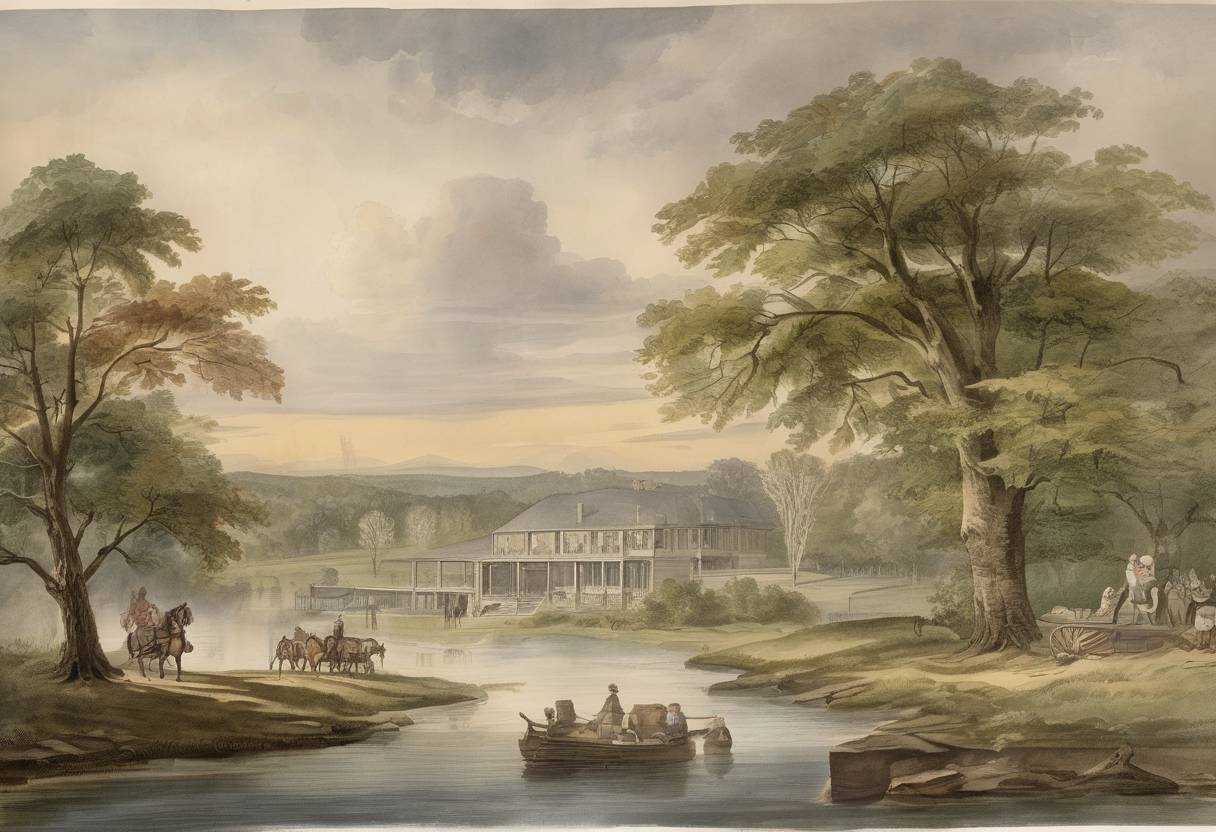
Tennessee’s Admission as the 16th State of the United States
On June 1, 1796, Tennessee was admitted to the United States as the 16th state, marking a significant milestone in the westward expansion of the nation. This event was a culmination of various historical developments and negotiations that reflected the broader themes of American growth and settlement.
Historical Context
- Early Settlement: The area that would become Tennessee was originally part of North Carolina. It was inhabited by various Native American tribes, including the Cherokee, before European settlers began to arrive in the 18th century.
- State of Franklin: In the 1780s, settlers in the region attempted to form their own state, known as the State of Franklin, due to dissatisfaction with North Carolina’s governance. Although this effort ultimately failed, it highlighted the desire for local governance and autonomy.
Path to Statehood
- Cession to the Federal Government: In 1789, North Carolina ceded its western lands to the federal government, which then became known as the Southwest Territory. This move was part of a broader strategy to manage western lands and facilitate orderly settlement.
- Population Growth: By the mid-1790s, the population of the Southwest Territory had grown significantly, driven by an influx of settlers seeking new opportunities. This growth met the requirements for statehood as outlined in the Northwest Ordinance of 1787.
- Constitutional Convention: In 1796, a constitutional convention was held in Knoxville, where delegates drafted a state constitution. This document was notable for its democratic elements, such as the extension of voting rights to all free men, regardless of property ownership.
Admission to the Union
- Congressional Approval: The U.S. Congress approved Tennessee’s admission to the Union on June 1, 1796. This decision was part of the broader trend of incorporating new states from western territories, reflecting the nation’s expansionist ambitions.
- Significance: Tennessee’s statehood was significant as it was the first state created from federal territory rather than from existing states. It set a precedent for the admission of future states from western territories.
Aftermath and Consequences
- Economic Development: Statehood facilitated economic development in Tennessee, as it attracted more settlers and investment. Agriculture, particularly cotton and tobacco, became central to the state’s economy.
- Political Influence: Tennessee quickly became influential in national politics, producing prominent leaders such as Andrew Jackson, who would later become the seventh President of the United States.
- Native American Displacement: The admission of Tennessee also accelerated the displacement of Native American tribes, particularly the Cherokee, as settlers encroached on their lands, leading to future conflicts and forced removals.
In summary, Tennessee’s admission as the 16th state was a pivotal moment in the United States’ westward expansion, reflecting the dynamic changes and challenges of a growing nation.