The Signing of the Social Security Act of 1965
1965 · Washington, D.C., United States
President Lyndon B. Johnson signs the Social Security Act of 1965 into law, establishing Medicare and Medicaid.
January 5, 1949
President Harry S. Truman unveiled his Fair Deal program in the United States, aiming to continue and expand the New Deal with proposals for national health insurance, public housing, and civil rights legislation.
Washington, D.C., United States | U.S. Government
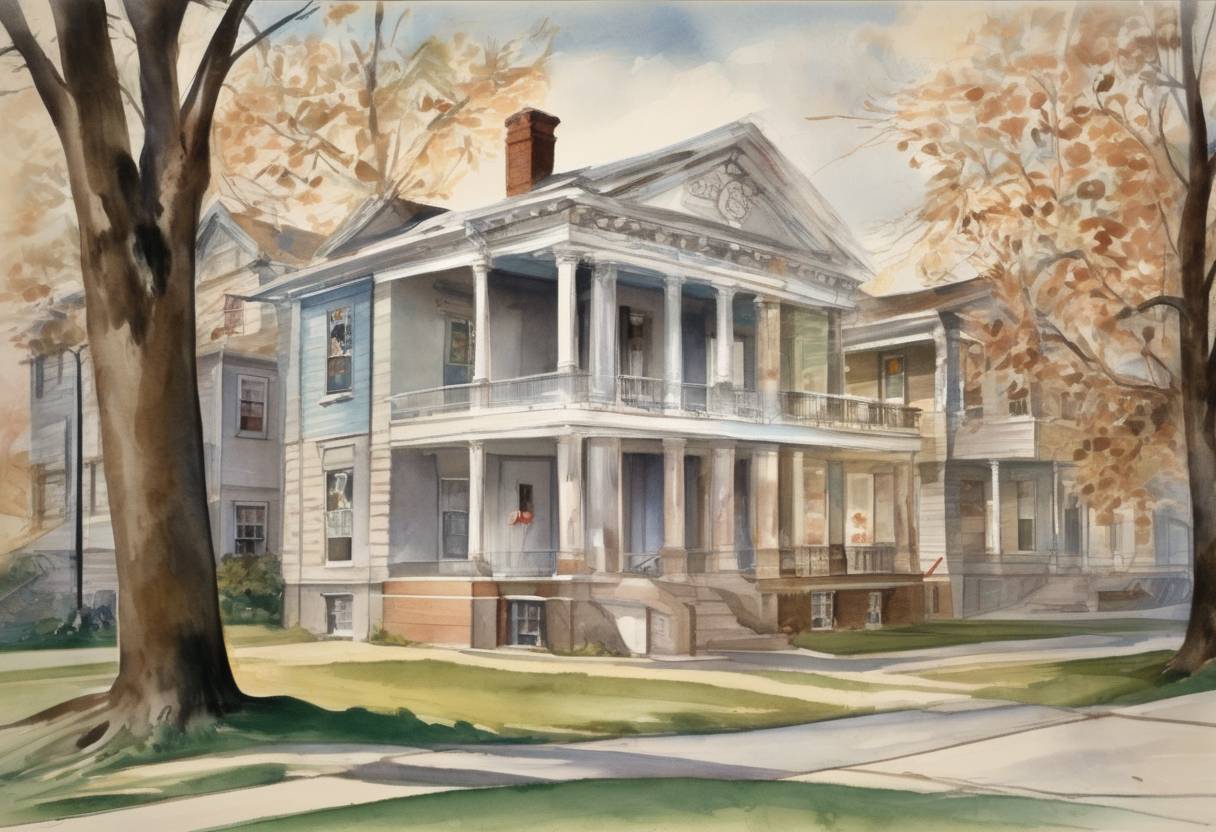
On January 5, 1949, President Harry S. Truman delivered his State of the Union address to Congress, during which he unveiled his ambitious domestic policy agenda known as the “Fair Deal.” This program aimed to build upon the foundations laid by Franklin D. Roosevelt’s New Deal, seeking to address the pressing social and economic issues facing post-World War II America.
National Health Insurance: Truman proposed a comprehensive national health insurance plan to ensure that all Americans had access to affordable healthcare. This was a pioneering effort to introduce a government-backed health insurance system, though it faced significant opposition and was not enacted.
Public Housing and Urban Renewal: The Fair Deal called for the expansion of public housing projects and urban renewal efforts to address the acute housing shortages and improve living conditions in urban areas. This led to the passage of the Housing Act of 1949, which provided federal funding for slum clearance and the construction of new public housing units.
Civil Rights Legislation: Truman’s program included a strong emphasis on civil rights, advocating for measures to end racial discrimination and promote equality. This was a continuation of his earlier efforts, such as desegregating the armed forces in 1948. However, many of his civil rights proposals faced resistance in Congress and were not fully realized during his presidency.
Economic Measures: The Fair Deal also sought to extend social security benefits, increase the minimum wage, and provide federal aid to education. These measures aimed to bolster economic security and improve the standard of living for all Americans.
The Fair Deal was introduced in a period of significant transition for the United States. The post-war economy was booming, but there were growing concerns about inflation, labor unrest, and the need for social reforms. Truman’s proposals were met with mixed reactions; while some viewed them as necessary advancements, others saw them as overly ambitious or socialist.
While Truman’s Fair Deal faced considerable opposition from a conservative Congress, leading to the failure of several key initiatives, it nonetheless set the stage for future social and economic reforms. The Housing Act of 1949 and the expansion of social security were notable successes. Moreover, the Fair Deal highlighted the growing importance of civil rights in the national agenda, paving the way for the civil rights movements of the 1950s and 1960s.
Truman’s Fair Deal is remembered as a bold attempt to extend the New Deal’s legacy and address the evolving needs of American society in the mid-20th century. Despite its limited legislative success, it underscored the federal government’s role in promoting social welfare and economic justice.
Source: en.wikipedia.org