January 11, 2013

The French military begins Operation Serval, intervening in the Northern Mali conflict to combat Islamist militants who had taken control of the region.


Bamako, Mali | French Armed Forces
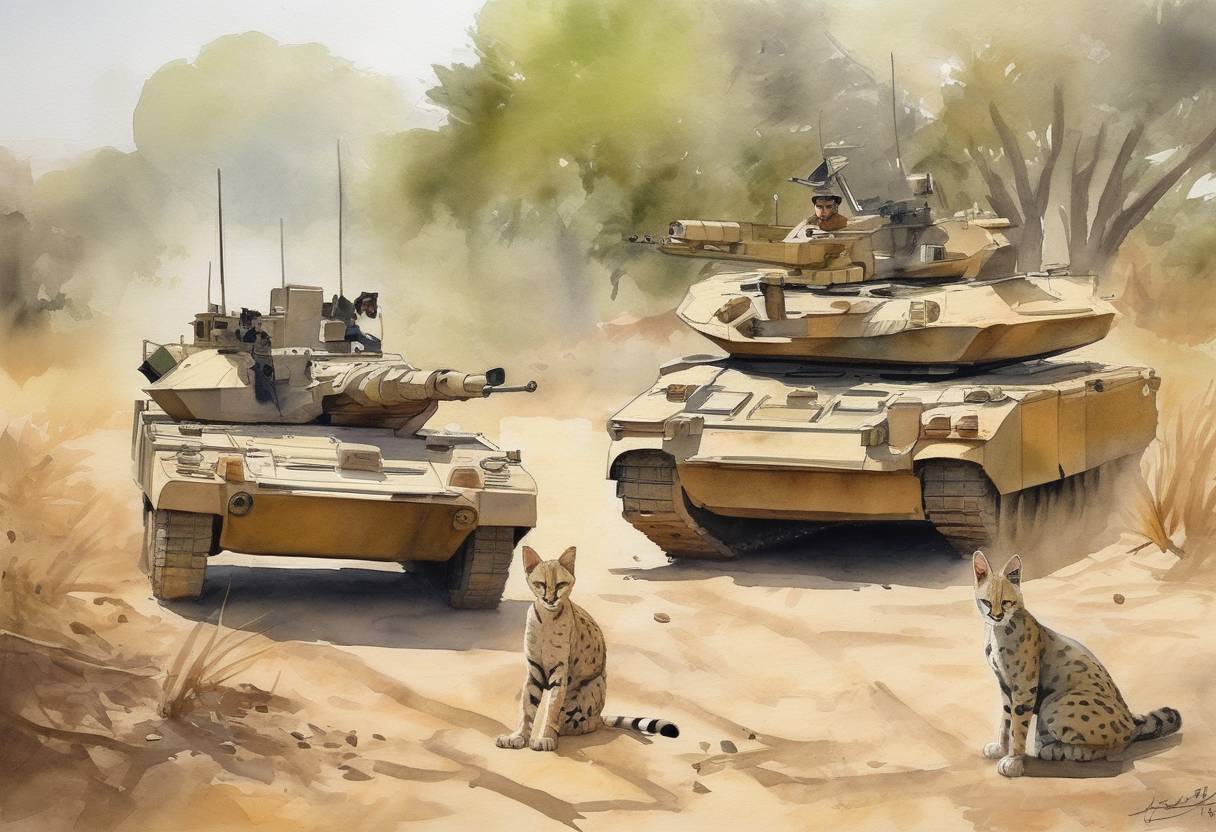
Watercolor painting based depiction of The French military begins Operation Serval, intervening in the Northern Mali conflict to combat Islamist militants who had taken control of the region. (2013)

Operation Serval: French Military Intervention in Northern Mali

Background

The Northern Mali conflict began in early 2012 when Tuareg rebels, under the banner of the National Movement for the Liberation of Azawad (MNLA), launched an insurgency against the Malian government. This rebellion was fueled by longstanding grievances over marginalization and autonomy. However, the situation quickly escalated as Islamist groups, including Ansar Dine, Al-Qaeda in the Islamic Maghreb (AQIM), and the Movement for Oneness and Jihad in West Africa (MOJWA), capitalized on the chaos. By mid-2012, these Islamist militants had taken control of key northern cities such as Timbuktu, Gao, and Kidal, imposing strict Sharia law.

Operation Serval: January 11, 2013

On January 11, 2013, France launched Operation Serval, a military intervention aimed at halting the advance of Islamist militants who threatened to overrun the Malian capital, Bamako. The operation was initiated at the request of the Malian government and was supported by the United Nations Security Council.

Objectives

  1. Stop the Islamist Advance: The immediate goal was to prevent the militants from advancing further south and threatening the stability of the Malian state.
  2. Restore Malian Sovereignty: By driving out the Islamist groups, France aimed to restore the territorial integrity of Mali.
  3. Combat Terrorism: The operation sought to dismantle the networks of Islamist militants in the region, which posed a broader threat to regional and international security.

Key Events

  • Airstrikes and Ground Troops: French forces began with airstrikes targeting militant positions, followed by the deployment of ground troops. The initial focus was on securing key towns and infrastructure.
  • International Support: The operation received logistical and intelligence support from several countries, including the United States, the United Kingdom, and other European nations. African nations also pledged troops to support the mission.
  • Recapture of Northern Cities: Within weeks, French and Malian forces successfully recaptured major cities in the north, including Gao and Timbuktu, pushing the militants into retreat.

Aftermath and Consequences

  • Stabilization Efforts: Following the military successes, efforts shifted towards stabilization and rebuilding. The United Nations Multidimensional Integrated Stabilization Mission in Mali (MINUSMA) was established to support these efforts.
  • Continued Insurgency: Despite the initial success, Islamist insurgents continued to pose a threat, engaging in guerrilla warfare and terrorist attacks.
  • Regional Impact: Operation Serval highlighted the fragility of the Sahel region and the need for comprehensive strategies to address underlying issues such as poverty, governance, and ethnic tensions.

Broader Historical Significance

Operation Serval underscored France’s role as a key military actor in Africa, particularly in its former colonies. It also highlighted the complexities of international military interventions in addressing terrorism and insurgency, emphasizing the need for long-term political solutions alongside military action. The operation set a precedent for future interventions, such as Operation Barkhane, which aimed to provide a more sustained counter-terrorism effort across the Sahel region.

Source: www.bbc.com