Kyrgyzstan Declares Independence from the Soviet Union
1991 · Bishkek, Kyrgyzstan
Kyrgyzstan declares independence from the Soviet Union.
April 6, 2010
Kyrgyzstan experienced a violent uprising that led to the ousting of President Kurmanbek Bakiyev. The unrest was fueled by public dissatisfaction with corruption and rising utility prices.
Bishkek, Kyrgyzstan | Kyrgyz opposition groups
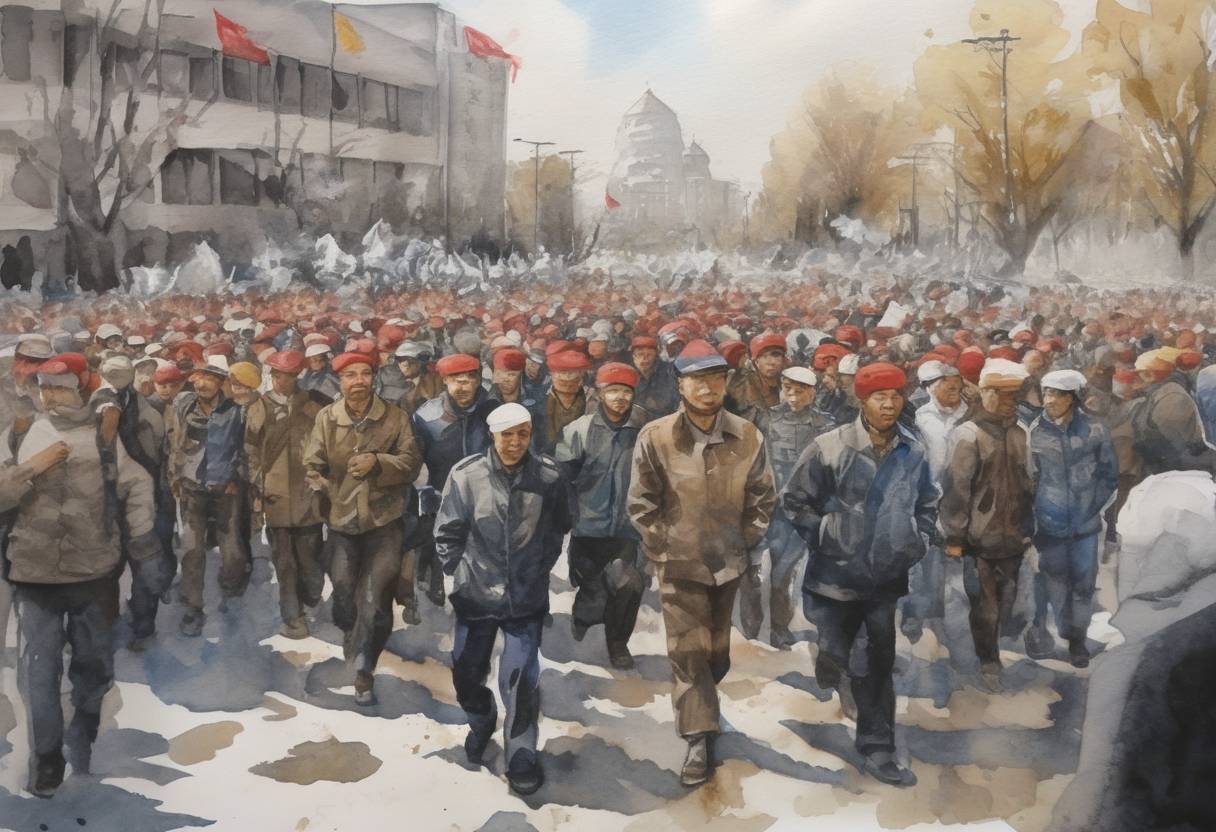
On April 6, 2010, Kyrgyzstan experienced a significant political upheaval that culminated in the ousting of President Kurmanbek Bakiyev. This event was a pivotal moment in the country’s history, marked by widespread public dissatisfaction and escalating unrest.
Kurmanbek Bakiyev came to power in 2005 following the Tulip Revolution, which itself was a response to corruption and authoritarianism under the previous regime. Initially, Bakiyev was seen as a reformer, but over time, his administration became increasingly associated with the same issues that had plagued his predecessor: corruption, nepotism, and authoritarian practices.
Corruption: Bakiyev’s government was marred by allegations of corruption. Many Kyrgyz citizens felt that the president and his family were enriching themselves at the expense of the nation.
Rising Utility Prices: In the months leading up to the uprising, the government announced significant increases in utility prices, including electricity and heating. These hikes were deeply unpopular and exacerbated the economic hardships faced by many Kyrgyz citizens.
Political Repression: Bakiyev’s administration was criticized for its suppression of political opposition and media freedom, further fueling public discontent.
The unrest began on April 6, 2010, in the northwestern town of Talas, where protesters clashed with police. The demonstrations quickly spread to the capital, Bishkek, and other parts of the country. On April 7, the situation escalated dramatically:
Protests in Bishkek: Thousands of protesters gathered in Bishkek, demanding Bakiyev’s resignation. The demonstrations turned violent as protesters stormed government buildings, including the presidential palace.
Casualties: The clashes between protesters and security forces resulted in significant casualties. Reports indicated that over 80 people were killed and hundreds were injured during the violence.
Government Collapse: Amidst the chaos, Bakiyev fled the capital and eventually left the country. An interim government, led by opposition leader Roza Otunbayeva, assumed control.
The 2010 uprising had several important consequences for Kyrgyzstan:
Political Change: The interim government promised to restore democracy and address the issues of corruption and economic hardship. A new constitution was adopted later that year, establishing a parliamentary system intended to prevent the concentration of power in the presidency.
Ethnic Tensions: The power vacuum and instability following the uprising contributed to ethnic violence in southern Kyrgyzstan, particularly between Kyrgyz and Uzbek communities, resulting in further loss of life and displacement.
Long-term Impact: The events of 2010 highlighted the challenges of governance and stability in Kyrgyzstan. While the uprising led to some political reforms, the country has continued to face political and economic challenges in the years since.
Overall, the 2010 uprising was a critical juncture in Kyrgyzstan’s post-Soviet history, reflecting the deep-seated issues of governance and public dissatisfaction that continue to influence the nation’s trajectory.
Source: en.wikipedia.org