U.S. Military Withdrawal from Afghanistan - August 30, 2021
2021 · Kabul, Afghanistan
The United States completed its military withdrawal from Afghanistan, ending its 20-year presence in the country following the Taliban's rapid takeover.
August 11, 2003
NATO takes over command of the peacekeeping force in Afghanistan, marking its first major operation outside Europe.
Kabul, Afghanistan | NATO
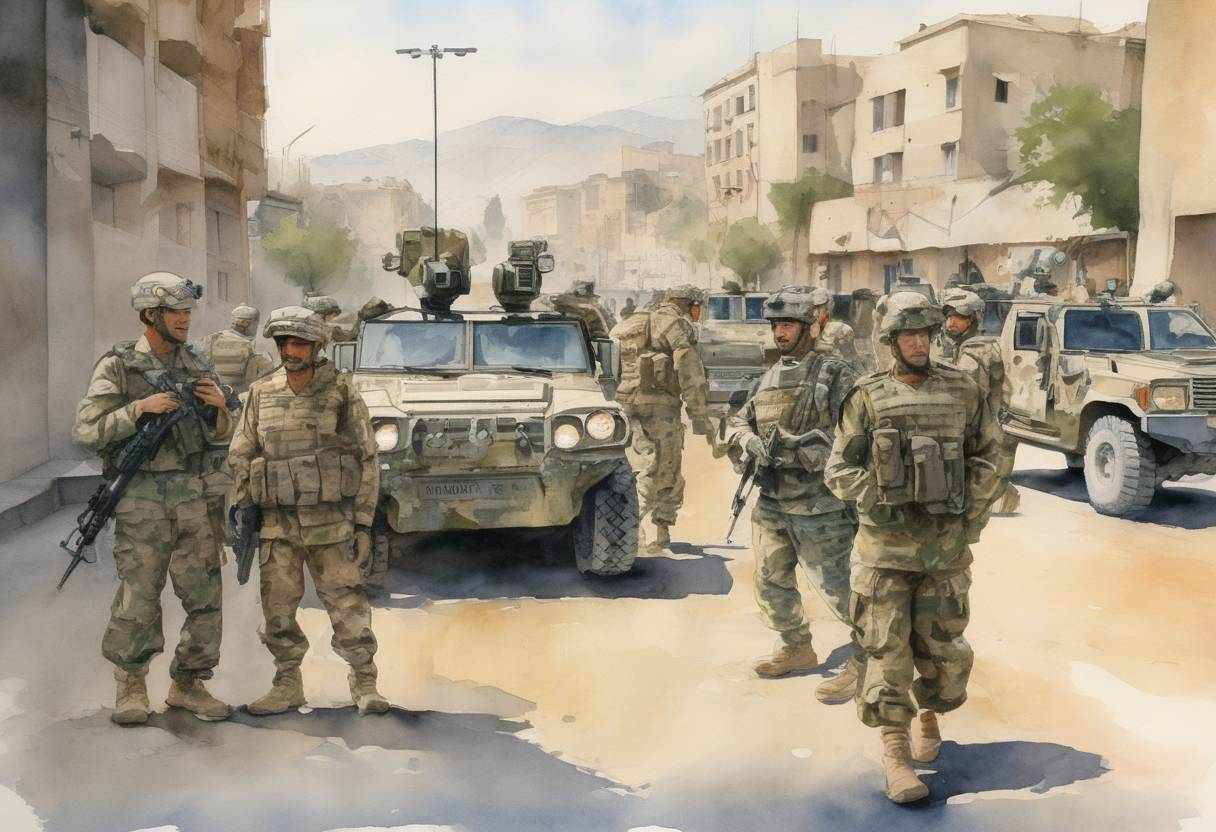
On August 11, 2003, the North Atlantic Treaty Organization (NATO) assumed command of the International Security Assistance Force (ISAF) in Afghanistan. This marked a significant milestone as it was NATO’s first major operation outside Europe, reflecting the alliance’s evolving role in global security.
Post-9⁄11 Response: Following the September 11, 2001, terrorist attacks, the United States, with support from international allies, launched Operation Enduring Freedom to dismantle al-Qaeda and remove the Taliban from power in Afghanistan.
ISAF Establishment: The United Nations Security Council authorized the creation of ISAF in December 2001 to assist the Afghan Transitional Authority in maintaining security in Kabul and surrounding areas, ensuring a stable environment for the reconstruction of Afghanistan.
NATO’s Involvement: Initially, ISAF was led by individual countries on a rotational basis. However, as the mission expanded, NATO’s involvement was seen as a way to provide a more structured and sustained command.
NATO Assumes Command: On this date, NATO officially took over the leadership of ISAF, marking its first deployment outside Europe. This transition was aimed at enhancing the coordination and effectiveness of the mission.
Operational Goals: NATO’s objectives included stabilizing Kabul, supporting the Afghan government, and facilitating the reconstruction of the country. The mission was also tasked with training Afghan security forces to eventually take over security responsibilities.
Broader NATO Role: This operation signified NATO’s shift from a Cold War-era defensive alliance to a more proactive organization capable of addressing global security challenges.
Long-term Engagement: NATO’s involvement in Afghanistan expanded over the years, with ISAF’s mandate extending beyond Kabul to cover the entire country. This led to a significant increase in troop numbers and resources committed by NATO member states.
Challenges and Criticisms: The mission faced numerous challenges, including insurgency, political instability, and the complexities of nation-building. Critics pointed to issues such as civilian casualties and the difficulties in achieving long-term stability.
Transition to Afghan Control: Over time, NATO focused on transitioning security responsibilities to Afghan forces, culminating in the end of ISAF’s mission in December 2014 and the beginning of the Resolute Support Mission to train and assist Afghan forces.
NATO’s command of ISAF in Afghanistan was a pivotal moment in the alliance’s history, demonstrating its capability to undertake complex operations beyond its traditional geographic boundaries. It also highlighted the international community’s commitment to supporting Afghanistan’s reconstruction and stability, despite the enduring challenges faced in the region.
Source: www.nato.int