Mohamed Morsi Becomes President of Egypt
2012 · Cairo, Egypt
Mohamed Morsi becomes President of Egypt, following the country's first democratic elections after the 2011 revolution.
April 11, 2012
The trial of former Egyptian President Hosni Mubarak began, marking a significant moment in Egypt's post-revolutionary period following the Arab Spring.
Cairo, Egypt | Egyptian judiciary
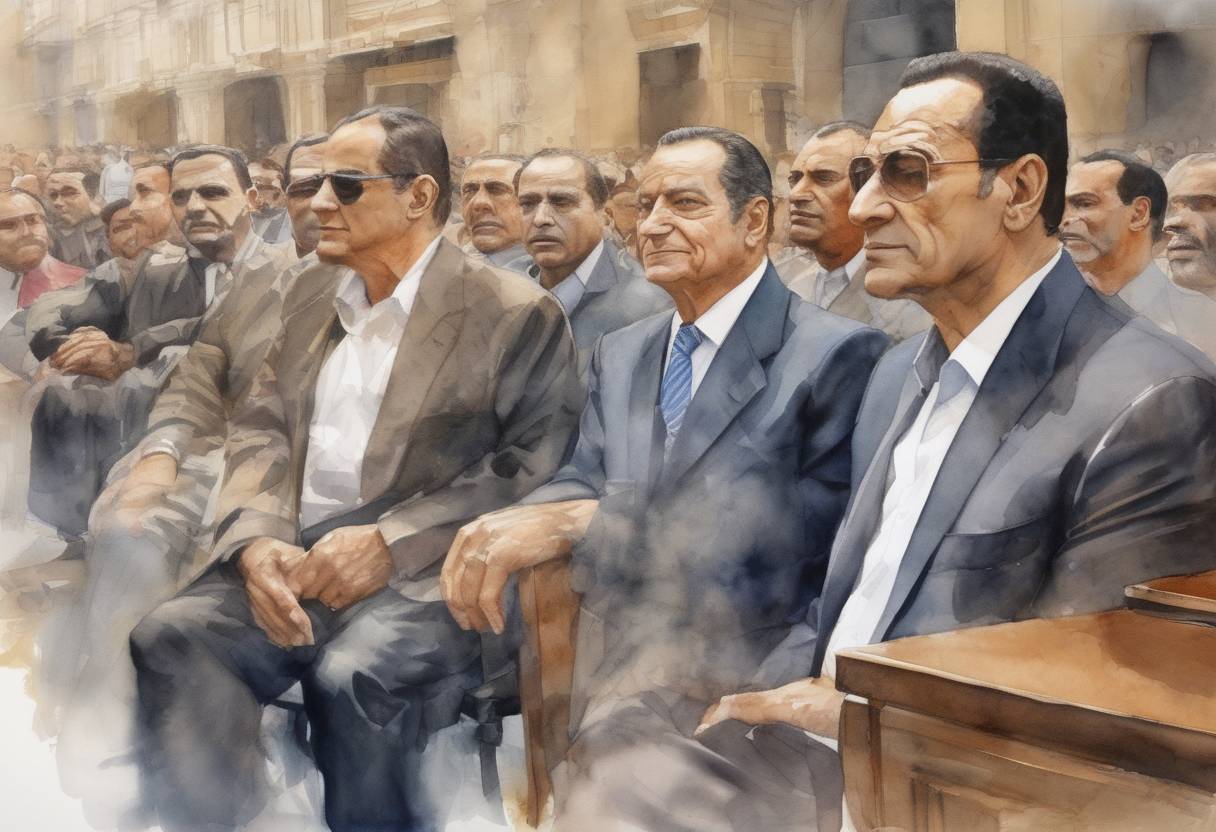
On April 11, 2012, the trial of former Egyptian President Hosni Mubarak resumed, marking a pivotal moment in Egypt’s history following the Arab Spring. This trial was emblematic of the transformative period that Egypt was undergoing after the revolution that began in January 2011, which ultimately led to Mubarak’s resignation on February 11, 2011.
Hosni Mubarak had been in power for nearly 30 years, ruling Egypt with an authoritarian grip. His presidency was characterized by a state of emergency that curtailed civil liberties, widespread corruption, and economic challenges. The Arab Spring, a series of anti-government protests across the Arab world, inspired Egyptians to demand political reform, economic improvement, and an end to Mubarak’s regime.
Mubarak faced several charges, including:
The trial was held in Cairo and was a significant event, as it was the first time an Arab leader had been tried in a court of law by his own people. The proceedings were broadcast live, capturing the attention of millions of Egyptians and observers worldwide. Mubarak appeared in court on a hospital stretcher, which added a dramatic element to the trial.
In June 2012, Mubarak was sentenced to life in prison for his role in the killing of protesters. However, his conviction was overturned on appeal, and he was retried. Mubarak was eventually acquitted of the charges related to the deaths of protesters in 2017, although he had already served time for other corruption-related charges.
The trial of Hosni Mubarak remains a landmark event in Egypt’s post-revolutionary history, reflecting the complexities and challenges of transitioning from an authoritarian regime to a more democratic society. It highlighted the struggle for justice and accountability in the wake of the Arab Spring and continues to be a point of reference in discussions about Egypt’s political and social evolution.
Source: www.reuters.com