Iran Becomes an Islamic Republic - April 1, 1979
1979 · Tehran, Iran
Iran became an Islamic Republic following a national referendum, marking the end of the Pahlavi monarchy and the beginning of theocratic rule under Ayatollah Khomeini.
February 1, 1979
Ayatollah Khomeini returns to Iran after 15 years in exile, marking the beginning of the Iranian Revolution.
Tehran, Iran | Islamic Republic of Iran
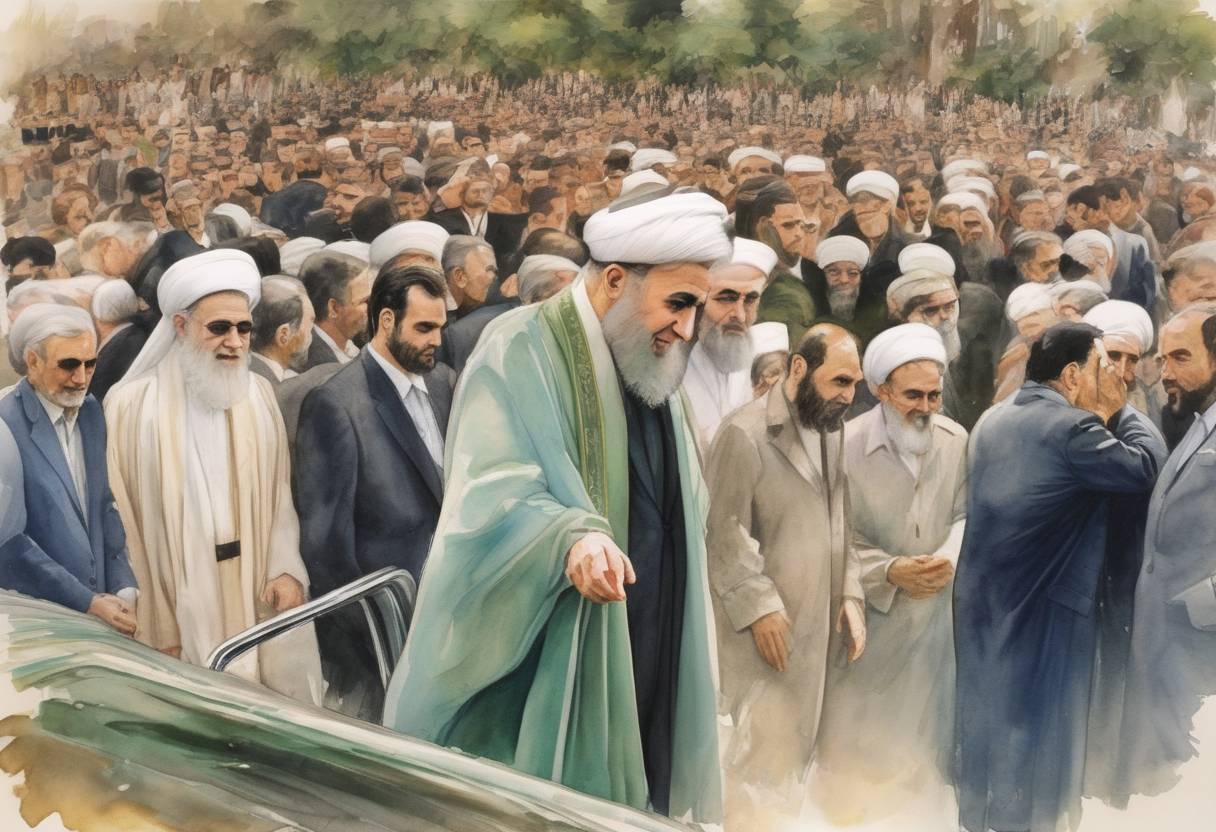
On February 1, 1979, Ayatollah Ruhollah Khomeini returned to Iran after 15 years of exile, a pivotal moment that marked the beginning of the Iranian Revolution’s final phase. This event was a significant turning point in Iranian history, leading to the overthrow of the Pahlavi monarchy and the establishment of the Islamic Republic of Iran.
Exile: Ayatollah Khomeini, a prominent Shia cleric, became a vocal critic of Shah Mohammad Reza Pahlavi’s regime in the early 1960s. His opposition was primarily due to the Shah’s Westernization policies and perceived disregard for Islamic values. In 1964, Khomeini was arrested and subsequently exiled, first to Turkey, then Iraq, and finally to France.
Growing Discontent: Throughout the 1970s, dissatisfaction with the Shah’s rule grew. Factors contributing to this unrest included political repression, economic challenges, and cultural changes imposed by the Shah’s modernization efforts. Khomeini’s messages, disseminated through smuggled tapes and writings, resonated with many Iranians.
Revolutionary Momentum: By late 1978, Iran was engulfed in widespread protests and strikes. The Shah’s attempts to quell the unrest were unsuccessful, and his regime’s grip on power weakened significantly.
Arrival: On February 1, 1979, Khomeini returned to Iran from France, landing at Tehran’s Mehrabad Airport. His arrival was met with immense enthusiasm, as millions of Iranians flooded the streets to welcome him.
Symbolic Leadership: Khomeini’s return symbolized the unification of various opposition groups under his leadership. He quickly became the figurehead of the revolution, advocating for the establishment of an Islamic government.
Collapse of the Monarchy: Just ten days after Khomeini’s return, on February 11, 1979, the Pahlavi regime collapsed. The Shah had already left Iran on January 16, 1979, ostensibly for medical treatment, but effectively in exile.
Establishment of the Islamic Republic: Following the revolution’s success, a national referendum was held in April 1979, resulting in the establishment of the Islamic Republic of Iran. Khomeini became the Supreme Leader, holding ultimate political and religious authority.
Long-term Impact: The Iranian Revolution had profound implications, both domestically and internationally. It led to significant changes in Iran’s political, social, and economic structures and altered the geopolitical landscape of the Middle East.
Khomeini’s return to Iran on February 1, 1979, was not just a homecoming but a catalyst for monumental change, setting the stage for the establishment of a new political order in Iran.
Source: en.wikipedia.org