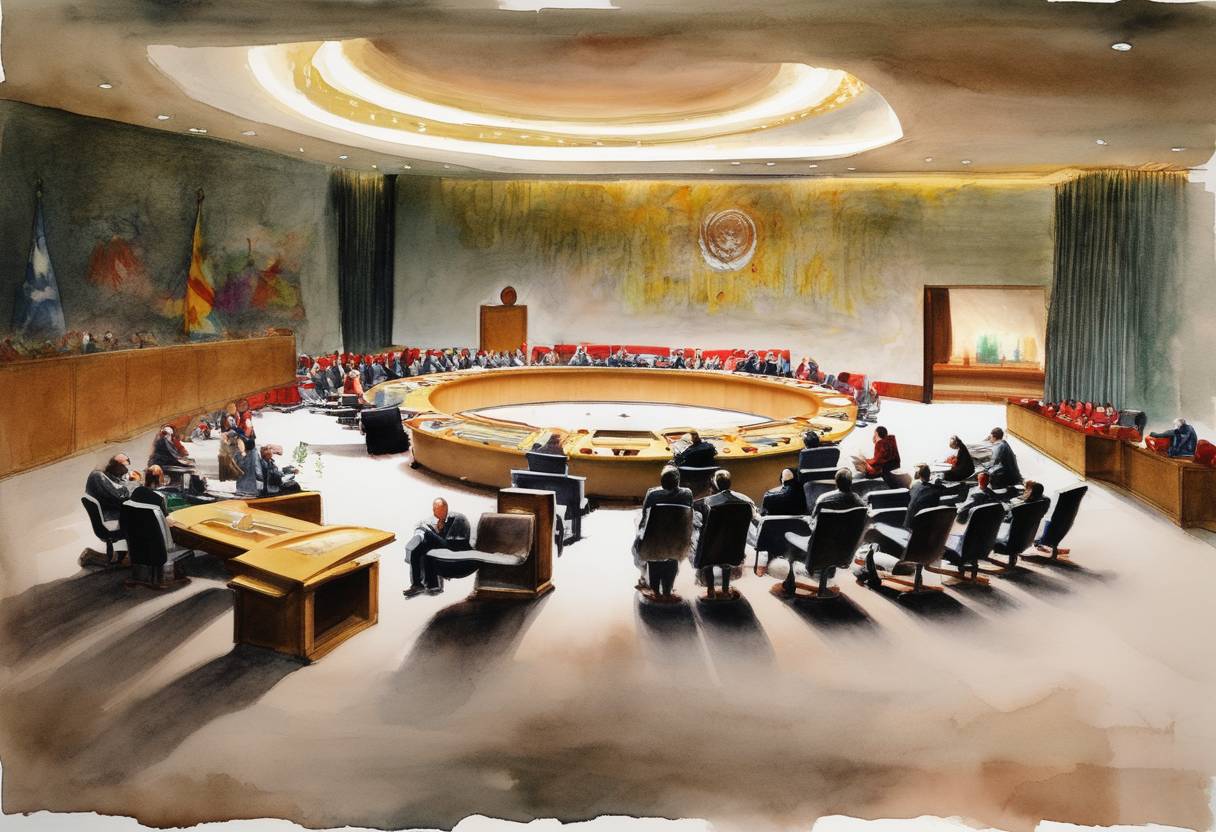
UN Security Council Resolution 2254 on Syria
On December 18, 2015, the United Nations Security Council unanimously adopted Resolution 2254, marking a significant diplomatic effort to address the ongoing Syrian Civil War. The resolution aimed to establish a framework for ending the conflict, which had caused immense humanitarian and geopolitical consequences since it began in 2011.
Key Provisions of Resolution 2254
Political Negotiations: The resolution called for formal negotiations between the Syrian government and opposition groups. These talks were intended to provide a foundation for establishing a transitional governing body, inclusive of all Syrians, which would be vital for the country’s future stability.
Ceasefire Implementation: A nationwide ceasefire was designated as a critical component. However, this ceasefire excluded terrorist groups designated by the UN, such as ISIS (Islamic State of Iraq and Syria) and the Al-Nusra Front.
Elections Timeline: Resolution 2254 outlined that a credible and inclusive political process should lead to free and fair elections within 18 months, administered under UN supervision according to the highest international standards of transparency and accountability.
Constitutional Planning: It advocated for a process to draft a new constitution, reflecting the perspectives and rights of all the Syrian people, towards achieving political reconciliation and enduring peace.
Context and Diplomatic Efforts
The resolution emerged from the International Syria Support Group (ISSG) meetings, which included influential stakeholders from global and regional powers such as the United States, Russia, and countries in the Middle East such as Iran and Saudi Arabia. Despite geopolitical tensions among these actors, Resolution 2254 represented a rare moment of unanimity in the international community toward resolving the Syrian crisis.
Challenges and Outcomes
While Resolution 2254 provided a diplomatic roadmap for peace, its implementation faced significant challenges. Ceasefires were brokered sporadically but often failed to hold, and political negotiations repeatedly stalled due to deep-seated divisions among Syrian factions and their international backers.
Moreover, the timeline for elections and constitutional reforms proved overly optimistic in the face of ongoing violence and disputes over the control of territories in Syria.
Broader Historical Significance
Resolution 2254, despite its limited immediate success in ending the Syrian conflict, remains a critical document in the international legal and diplomatic efforts toward peace in Syria. It underscores the complexities of conflict resolution in geopolitically sensitive regions and the need for sustained, multifaceted international engagement to achieve lasting peace and stability.