Nicolás Maduro's Second Term Inauguration - January 10, 2019
2019 · Caracas, Venezuela
Venezuelan President Nicolás Maduro is sworn in for a second term amid widespread international condemnation and allegations of election fraud.
February 1, 2019
Venezuelan opposition leader Juan Guaidó was recognized by a number of European countries as the interim president of Venezuela, amid a political and economic crisis, challenging Nicolás Maduro's presidency.
Caracas, Venezuela | National Assembly of Venezuela
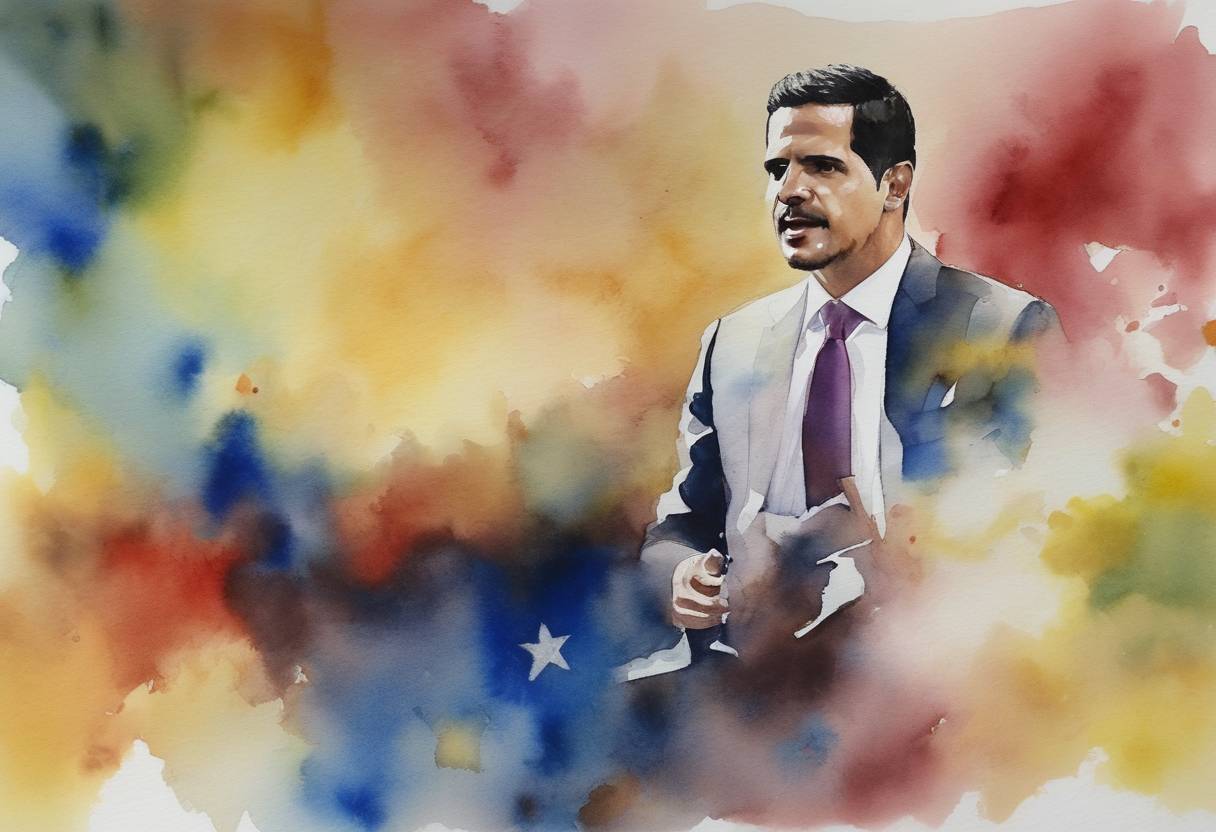
On February 1, 2019, a significant number of European countries formally recognized Venezuelan opposition leader Juan Guaidó as the interim president of Venezuela. This was part of an international response to the political and economic crisis that had escalated in Venezuela under the presidency of Nicolás Maduro.
Venezuela had been experiencing severe economic turmoil, marked by hyperinflation, widespread shortages of food and medicine, and increasing public unrest. Nicolás Maduro, who succeeded Hugo Chávez, was generally criticized for authoritarian practices and economic mismanagement. The legitimacy of Maduro’s presidency faced intense scrutiny after the controversial 2018 elections, which many international observers and governments declared fraudulent.
In this context, Juan Guaidó, the leader of Venezuela’s opposition-controlled National Assembly, invoked articles of the Venezuelan Constitution to declare himself interim president on January 23, 2019. Guaidó argued that Maduro’s presidency was illegitimate, proposing a transitional government that would lead to free and fair elections.
By February 1, 2019, several European countries had officially recognized Guaidó as Venezuela’s interim president. This included France, Germany, the United Kingdom, and Spain, among others. These nations had issued an ultimatum earlier, asserting that they would recognize Guaidó if Maduro did not call new elections within a specified period.
The recognition was in line with similar endorsements from other countries, notably the United States, Canada, and numerous Latin American nations, who had earlier backed Guaidó’s leadership bid. The European Union, although not able to unify all member countries for a collective recognition due to objections from some states, strongly supported the call for a legitimate electoral process in Venezuela.
The recognition of Juan Guaidó by European nations was a diplomatic maneuver aiming to exert pressure on the Maduro administration to address the humanitarian crisis and to ensure a democratic resolution in Venezuela. It intensified the international diplomatic isolation of Nicolás Maduro’s government and fueled internal political dynamics.
Despite diplomatic support, Guaidó faced challenges consolidating power within Venezuela. The situation underscored the complexities of international diplomacy and sovereignty, with countries supporting different strategies to resolve the Venezuelan crisis. It also highlighted debates regarding non-intervention and the role of international actors in supporting democratic governance.
The events surrounding Guaidó’s recognition illustrated global concerns about governance and human rights in Venezuela, reflecting broader geopolitical divisions in Latin America and beyond.
Source: www.reuters.com