North American Ice Storm of 1998
1998 · Montreal, Canada
Ice storm strikes Eastern Canada and the Northeastern United States, known as the North American Ice Storm of 1998, causing widespread power outages.
April 28, 1967
The Expo 67, a world's fair held in Montreal, Quebec, Canada, officially opened to the public, celebrating Canada's centennial year.
Montreal, Canada | Canadian government
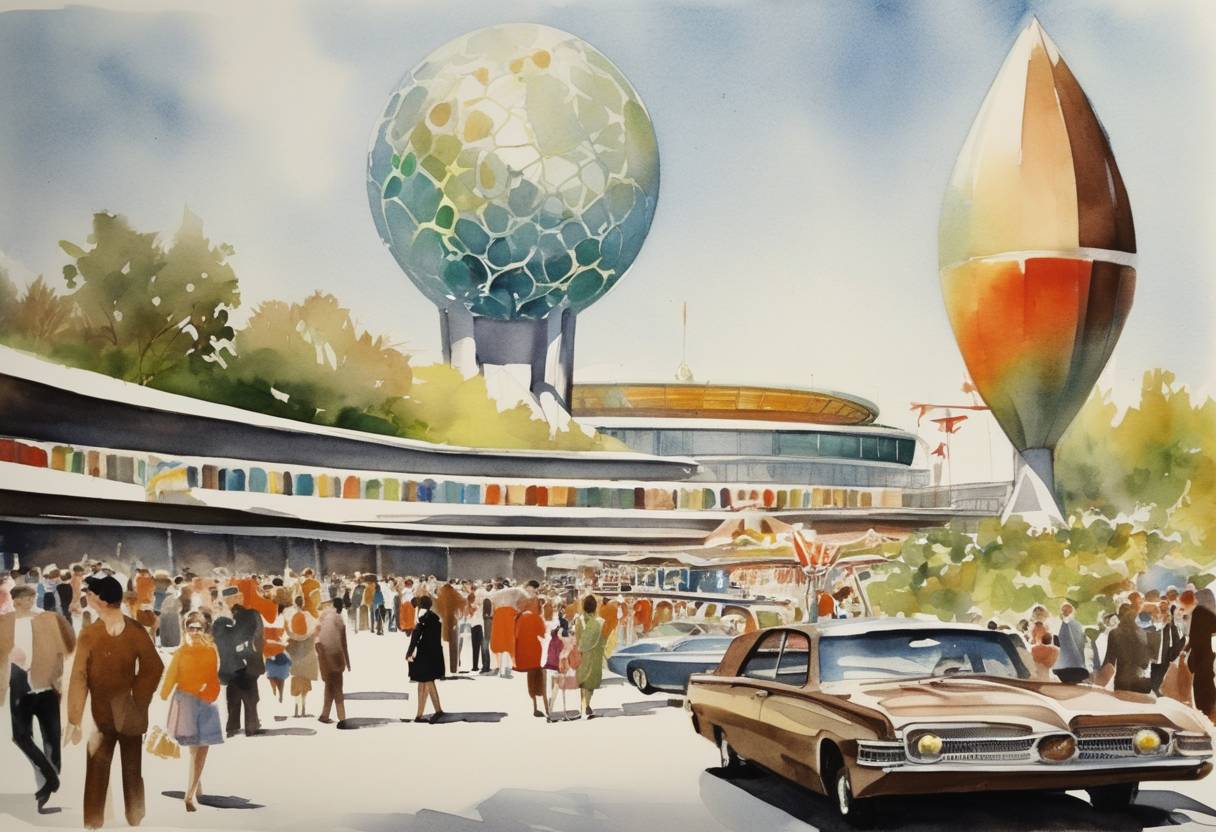
Date of Opening: April 28, 1967
Location: Montreal, Quebec, Canada
Occasion: Celebration of Canada’s Centennial Year (1867-1967)
Expo 67, officially known as the “1967 International and Universal Exposition,” was organized to coincide with the 100th anniversary of Canada’s Confederation. The idea of hosting a world exhibition was first proposed by Montreal’s then-mayor, Jean Drapeau. The event became a symbol of pride and international presence for Canada, showcasing national achievements and global culture.
The exposition was held on two islands in the Saint Lawrence River, Ile Sainte-Hélène and the man-made Ile Notre-Dame, which was created specifically for the event. These islands were transformed to host a multitude of pavilions representing nations from around the world, Canadian provinces, corporations, and special thematic exhibits.
The opening day saw dignitaries and representatives from participating nations attend the ceremonies. More than 50 million visitors attended the expo throughout its six months of operation, making it one of the most successful world exhibitions of the 20th century.
Expo 67 is remembered for its profound cultural impact on Canada and Montreal. It is credited with boosting national confidence, establishing Montreal as an international city, and contributing to Canadian unity. The remnants of the fair, including several pavilions and the redevelopment of the islands, continue to serve as cultural and recreational areas.
The event’s success demonstrated the potential of global collaboration in addressing shared challenges and fostering cultural exchange, leaving a lasting impression on the global community.
Source: www.thecanadianencyclopedia.ca