The Gambia's Independence: February 18, 1965
1965 · Banjul, The Gambia
The Gambia attained independence from the United Kingdom, marking the end of British colonial rule and the establishment of a sovereign nation.
August 17, 1960
The newly formed Republic of Gabon achieves independence from France.
Libreville, Gabon | Government of France
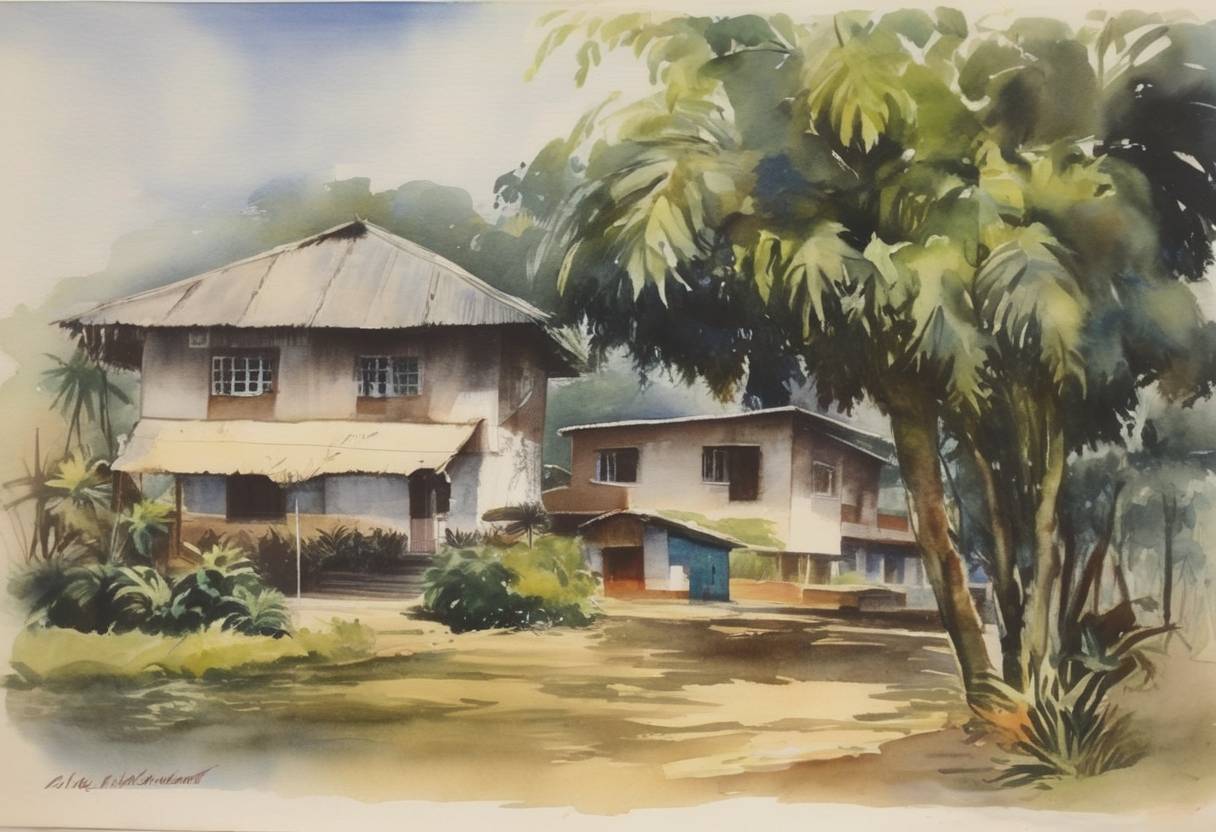
On August 17, 1960, Gabon officially achieved independence from France, marking a significant milestone in the decolonization of Africa. This event was part of a larger wave of independence movements across the continent during the mid-20th century as multiple African nations sought to establish self-governance and liberate themselves from European colonial powers.
Gabon had been a French colony since the late 19th century, formally becoming a part of French Equatorial Africa in 1910. The drive towards independence gained momentum after World War II, a period during which nationalist sentiments across Africa intensified and France faced increasing pressure to grant autonomy to its colonies. The process of decolonization was spurred on by the broader global trend for self-determination and the collapse of European empires.
In the late 1950s, France began to reform its colonial governance, allowing greater self-rule and creating the French Community. Under the 1958 referendum, Gabon opted to remain within the French Community but with increased autonomy. However, the desire for full sovereignty grew, and, by 1960, the movement for complete independence gained substantial ground.
Negotiations with France led to a peaceful transition, unlike the experience of several other African nations that faced violent struggles for liberation. Gabon’s independence followed the relatively bloodless trajectory seen in many former French territories, highlighting a strategic withdrawal by France under growing international pressure and the leadership of then-President Charles de Gaulle.
As Gabon declared its independence on August 17, Léon M’ba, a prominent political leader, became the country’s first president. Celebrations erupted throughout the nation, with hopes of a prosperous future and a new era of self-rule. Despite internal challenges and the need to establish a stable governance system, Gabon’s peaceful journey to independence was seen as a positive beginning.
Gabon’s independence represented a critical moment in African history, symbolizing the aspirations for self-determination shared by many nations on the continent. It echoed the larger pattern of colonial liberation movements taking shape during the era and paved the way for further development and modernization.
In the following decades, Gabon emerged as a relatively stable nation with a developing economy largely driven by its oil wealth. However, it also faced political challenges, including periods of authoritarianism and governance issues. The country has worked steadily towards political and economic reform in the subsequent years of its sovereignty.
Gabon’s independence from France on August 17, 1960, remains a day of national pride and reflection on the country’s journey from colonial dependency to a sovereign member of the global community.
Source: www.britannica.com