The Massacre of Cesena: February 3, 1377
1377 · Cesena, Italy
More than 2,000 people of Cesena, Italy, were slaughtered by Papal Troops under the command of Cardinal Robert of Geneva, who later became Antipope Clement VII.
May 1, 1947
The Portella della Ginestra massacre occurred in Sicily, Italy, when bandits opened fire on a May Day labor festival, killing 11 people.
Portella della Ginestra, Italy | Salvatore Giuliano's gang
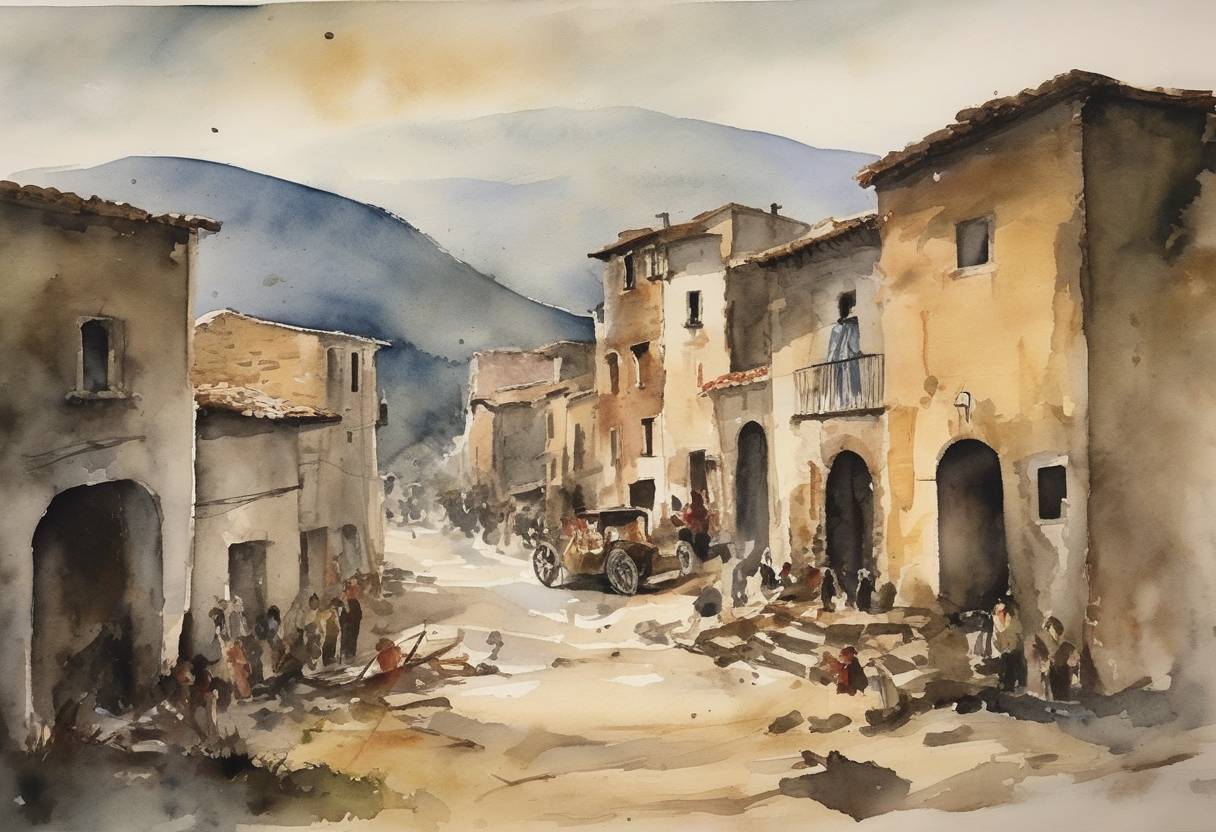
On May 1, 1947, amid the scenic landscape of Sicily, Italy, the Portella della Ginestra massacre occurred, marking a tragic event during a period of significant social upheaval. This massacre unfolded at a labor festival held in the mountain pass known as Portella della Ginestra, near Piana degli Albanesi. The festival was meant to celebrate International Workers’ Day and the recent victory of leftist parties in regional elections.
In post-war Italy, the political atmosphere was charged with tension. Sicily, in particular, was a focal point of political discontent. The island was engulfed in conflicts between rising leftist movements—often spearheaded by peasants and laborers demanding land reform—and conservative, reactionary forces, including remnants of Fascist sympathizers and landowners resistant to change. The land reforms and redistribution of land promised by the leftist Popular Democratic Front posed a threat to these entrenched interests.
On that ill-fated day, a large gathering of around 2000 workers, peasants, and their families congregated to celebrate May Day and their recent electoral successes. However, the festive mood abruptly transformed into chaos and terror when gunfire erupted from the surrounding hills. Salvatore Giuliano, a notorious bandit leader, along with his band of outlaws, executed a premeditated attack on the crowd. As shots rained down, 11 people were killed, including women and children, and dozens more were injured.
The massacre sent shockwaves throughout Italy and drew international attention. It highlighted the volatile mix of post-war political instability, social strife, and entrenched crime syndicates in Sicily. The incident intensified the focus on Mafia activities and their entanglement with political affairs, eventually contributing to a broader crackdown on organized crime.
In the immediate aftermath, the Italian government faced intense scrutiny and pressure to address not only the massacre but also the underlying socio-political issues in Sicily. The massacre came to symbolize the struggle for social justice and reform against resistance from entrenched interests, a narrative echoed throughout Italy’s tumultuous post-war history.
Source: www.britannica.com