March 16, 1978

Amoco Cadiz, a very large crude carrier, runs aground on the coast of Brittany, France, causing one of the largest oil spills in history.


Brittany, France | Amoco
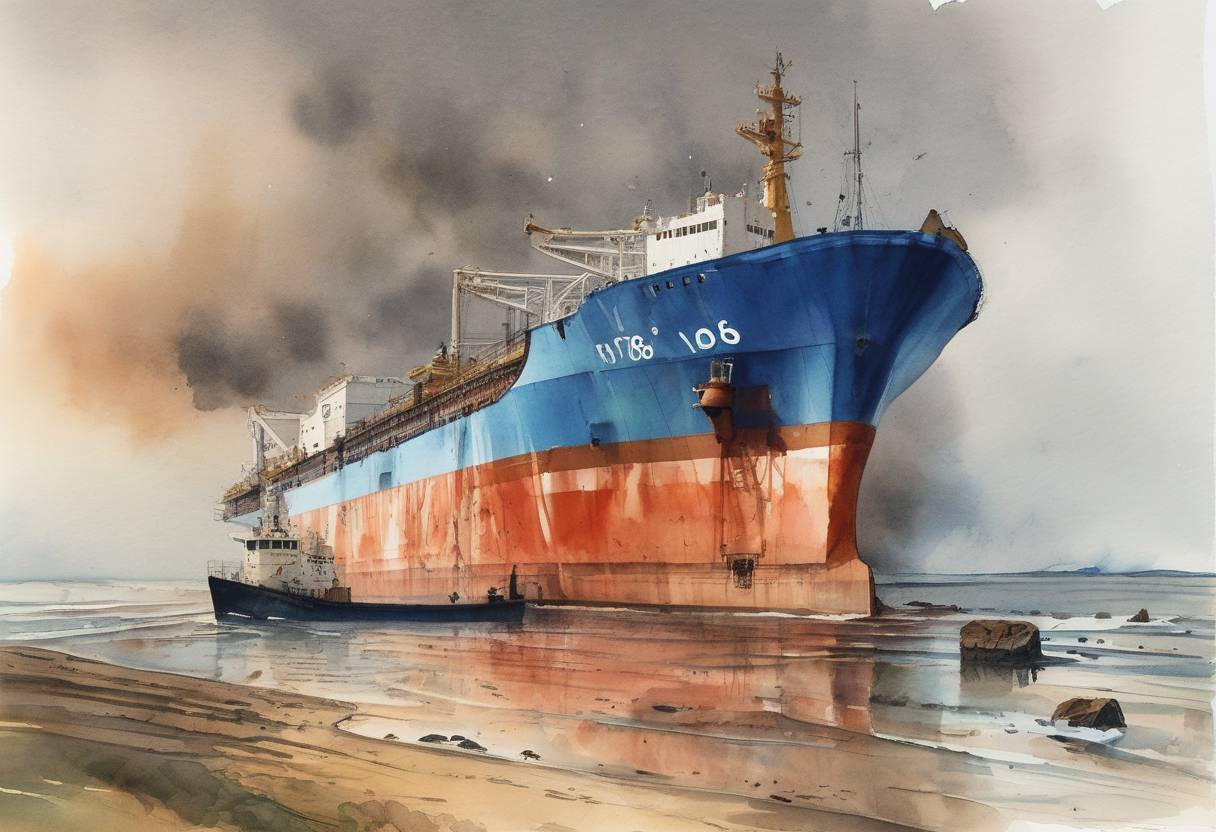
Watercolor painting based depiction of Amoco Cadiz, a very large crude carrier, runs aground on the coast of Brittany, France, causing one of the largest oil spills in history. (1978)

The Amoco Cadiz Oil Spill: March 16, 1978

On March 16, 1978, the oil tanker Amoco Cadiz ran aground off the coast of Brittany, France, resulting in one of the largest oil spills in history. This catastrophic event had significant environmental, economic, and regulatory repercussions.

Background

The Amoco Cadiz was a very large crude carrier (VLCC) owned by the American oil company Amoco. The vessel was transporting approximately 1.6 million barrels of light crude oil from the Persian Gulf to Europe. On the fateful day, the ship encountered severe weather conditions in the English Channel, which contributed to the disaster.

The Incident

  • Mechanical Failure: The disaster began with a failure in the ship’s steering mechanism. Despite efforts to repair the system, the crew was unable to regain control of the vessel.
  • Distress Signals: The crew sent out distress signals, and a German tugboat, the Pacific, responded. However, attempts to tow the Amoco Cadiz to safety were unsuccessful due to the rough seas and the size of the tanker.
  • Grounding: The Amoco Cadiz eventually ran aground on the Portsall Rocks, a rocky outcrop near the coast of Brittany. The impact caused the hull to rupture, releasing its entire cargo of crude oil into the sea.

Environmental Impact

The spill released approximately 223,000 tons of oil into the Atlantic Ocean, affecting over 300 kilometers (about 186 miles) of the French coastline. The environmental impact was devastating:

  • Marine Life: The oil spill severely affected marine life, including fish, mollusks, and crustaceans. The local fishing industry suffered greatly as a result.
  • Birds: Thousands of seabirds perished due to oil contamination, which impaired their ability to fly and maintain body temperature.
  • Coastal Ecosystems: The spill caused long-term damage to coastal ecosystems, including salt marshes and rocky shorelines.

Aftermath and Consequences

  • Clean-Up Efforts: The clean-up operation was extensive and costly, involving both local and international resources. It took several months to remove the oil from the affected areas.
  • Legal and Financial Repercussions: The French government filed a lawsuit against Amoco, seeking compensation for the environmental damage. In 1992, a U.S. court ordered Amoco to pay $200 million in damages.
  • Regulatory Changes: The disaster highlighted the need for improved safety standards and regulations for oil tankers. It led to the development of stricter international maritime safety protocols and the establishment of the International Convention on Oil Pollution Preparedness, Response and Co-operation (OPRC).

Broader Historical Significance

The Amoco Cadiz oil spill was a pivotal moment in environmental history, underscoring the vulnerabilities of maritime oil transportation and the potential for ecological disasters. It spurred advancements in oil spill response technologies and increased awareness of the environmental risks associated with oil shipping.

The incident remains a stark reminder of the importance of stringent safety measures and the need for international cooperation in protecting marine environments from similar catastrophes.