The Blitz Begins: September 7, 1940
1940 · London, United Kingdom
The Blitz began as Nazi Germany started a sustained bombing campaign against London during World War II.
May 5, 1980
Operation Nimrod, the SAS storm the Iranian Embassy in London ending a six-day siege.
London, United Kingdom | Special Air Service
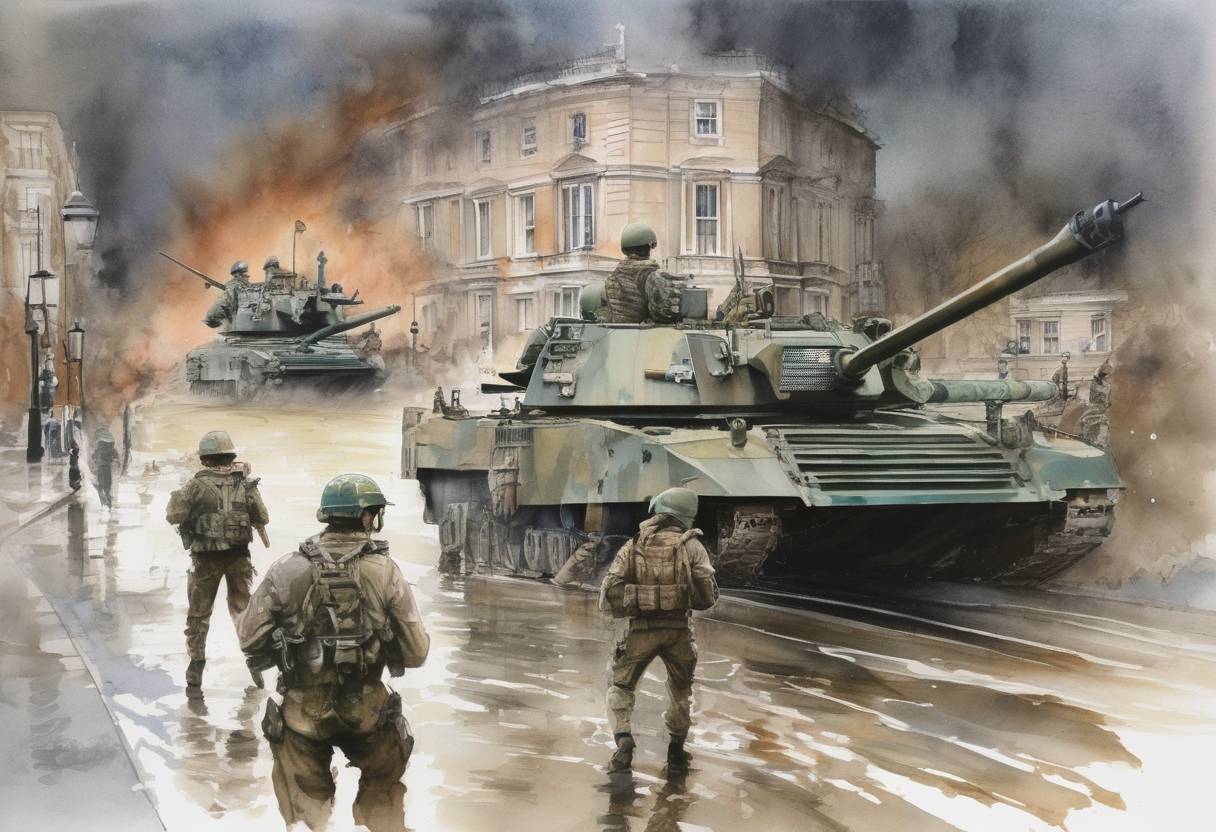
On April 30, 1980, six armed men stormed the Iranian Embassy in Princes Gate, South Kensington, London. The gunmen were members of the Democratic Revolutionary Front for the Liberation of Arabistan (DRFLA), a group seeking autonomy for the Arab-majority region of Khuzestan in Iran. They took 26 hostages, including embassy staff and visitors, demanding the release of prisoners in Iran and safe passage out of the UK.
The siege lasted six days, during which time the British government, led by Prime Minister Margaret Thatcher, engaged in tense negotiations with the hostage-takers. The situation was closely monitored by the media, with live broadcasts capturing the unfolding drama. The gunmen released five hostages over the course of the siege, but tensions escalated when they killed a hostage, prompting immediate action.
On May 5, 1980, the Special Air Service (SAS), an elite unit of the British Army, was ordered to storm the embassy. The operation, codenamed “Operation Nimrod,” was meticulously planned and executed with precision. At 19:23, the SAS launched their assault, entering the building through the windows and doors using explosives to create entry points.
Entry and Assault: The SAS used stun grenades to disorient the gunmen and quickly moved through the building. The operation was broadcast live on television, capturing the dramatic moments as black-clad soldiers descended from the roof and entered the embassy.
Hostage Rescue: Within 17 minutes, the SAS had secured the building. They rescued all but one of the remaining hostages, who had been killed by the gunmen during the assault. Five of the six terrorists were killed, and one was captured alive.
The successful resolution of the siege was widely praised and significantly boosted the reputation of the SAS. It demonstrated the effectiveness of special forces in counter-terrorism operations and set a precedent for handling similar situations in the future.
Media Coverage: The live broadcast of the operation brought unprecedented attention to the capabilities of the SAS and highlighted the role of media in covering such events.
Security Measures: The siege led to increased security measures at diplomatic missions worldwide and influenced counter-terrorism strategies in the UK and beyond.
Political Repercussions: The incident strained UK-Iran relations, as the Iranian government criticized the handling of the situation, despite the British government’s efforts to resolve it peacefully.
Operation Nimrod remains a significant event in the history of counter-terrorism, showcasing the importance of preparedness, precision, and decisive action in crisis situations.
Source: en.wikipedia.org