The Death of King Charles II and the Ascension of James II
1685 · London, England
King Charles II of England died, and his brother James II ascended to the throne.
May 29, 1660
Charles II was restored to the English throne, marking the beginning of the English Restoration after the collapse of the Commonwealth.
London, England | British Monarchy
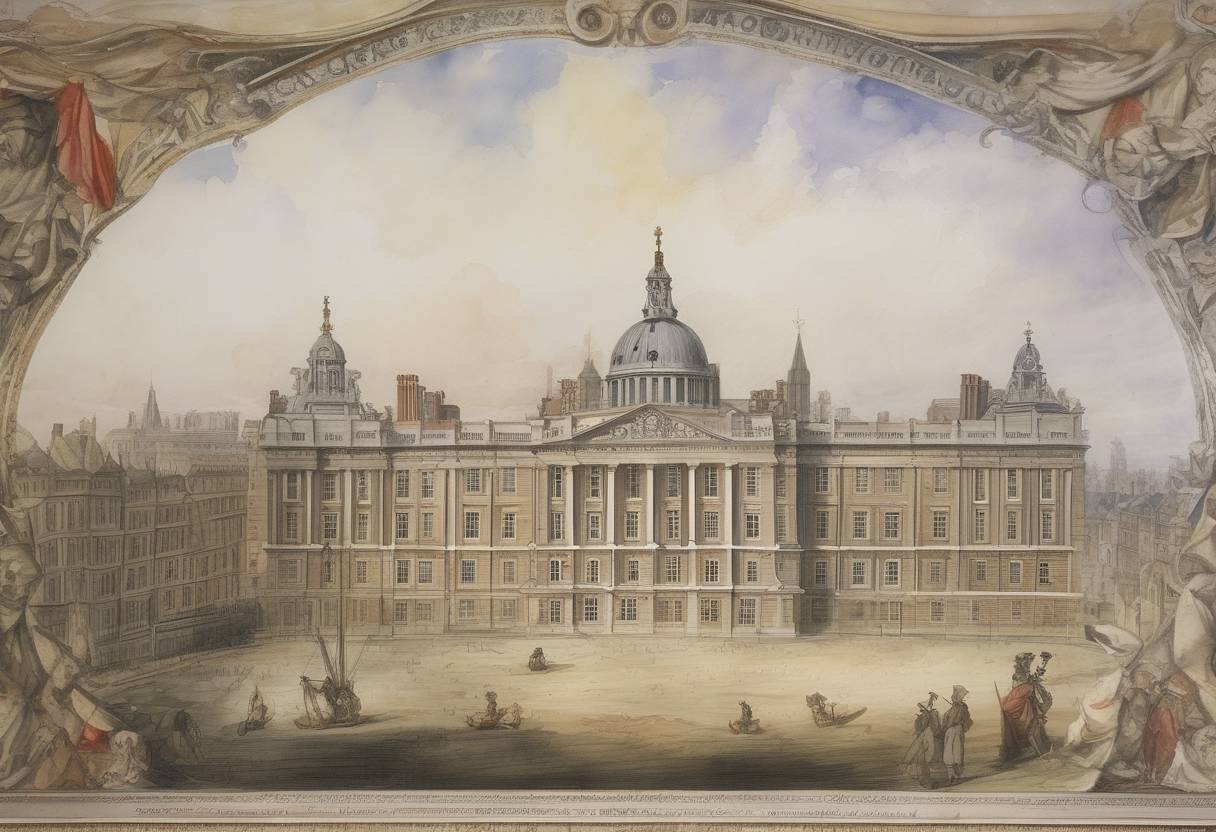
On May 29, 1660, Charles II was restored to the English throne, marking the beginning of the English Restoration. This event signified the end of the Commonwealth period and the re-establishment of the monarchy in England, Scotland, and Ireland.
The Restoration followed a tumultuous period in English history known as the Interregnum, which began after the execution of Charles I in 1649. The monarchy was abolished, and England was declared a republic under the rule of Oliver Cromwell, who led the Commonwealth of England as Lord Protector. After Cromwell’s death in 1658, his son Richard Cromwell succeeded him but lacked the political acumen and support to maintain control.
Political Instability: Richard Cromwell’s inability to govern effectively led to political instability and a power vacuum. The Rump Parliament was reinstated but struggled to assert authority.
General George Monck’s Role: General George Monck, a key military leader, played a crucial role in the Restoration. He marched his army from Scotland to London in early 1660, advocating for the return of the monarchy.
Declaration of Breda: In April 1660, Charles II issued the Declaration of Breda, promising a general pardon for crimes committed during the Civil War and Interregnum, religious toleration, and the settlement of land disputes. This declaration helped garner support for his return.
Convention Parliament: The Convention Parliament, convened in April 1660, invited Charles II to return to the throne. The parliament was instrumental in negotiating the terms of the Restoration.
On May 29, 1660, Charles II entered London to great public acclaim, coinciding with his 30th birthday. His return marked the official restoration of the monarchy, and he was crowned on April 23, 1661.
Political Changes: The Restoration led to significant political changes, including the re-establishment of the Church of England and the monarchy’s powers being more clearly defined in relation to Parliament.
Cultural Impact: The period saw a flourishing of arts and culture, with the reopening of theaters and the patronage of artists and writers.
Long-term Consequences: The Restoration set the stage for future constitutional developments, including the Glorious Revolution of 1688, which further limited the powers of the monarchy.
The Restoration of Charles II was a pivotal moment in British history, symbolizing a return to traditional governance while laying the groundwork for modern constitutional monarchy.
Source: en.wikipedia.org