June 22, 2009

A Washington Metro train collision occurred, resulting in nine fatalities and numerous injuries, marking the deadliest accident in the system's history.


Washington, D.C., United States | Washington Metropolitan Area Transit Authority
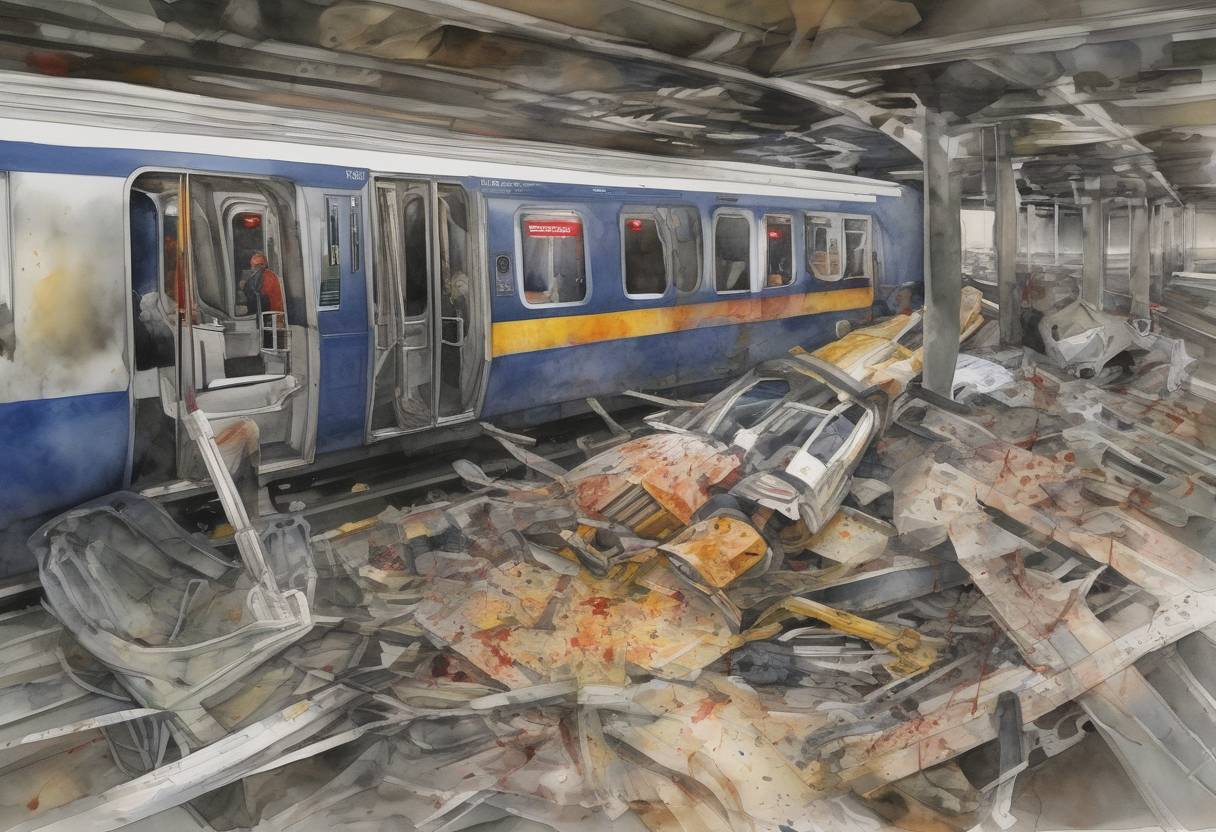
Watercolor painting based depiction of A Washington Metro train collision occurred, resulting in nine fatalities and numerous injuries, marking the deadliest accident in the system's history. (2009)

Washington Metro Train Collision - June 22, 2009

On June 22, 2009, a tragic accident occurred on the Washington Metro’s Red Line, marking the deadliest incident in the system’s history. The collision resulted in nine fatalities and numerous injuries, profoundly impacting the Washington Metropolitan Area Transit Authority (WMATA) and its operations.

Background

The Washington Metro, serving the Washington D.C. metropolitan area, is one of the busiest rapid transit systems in the United States. By 2009, it had been operational for over three decades, providing critical transportation services to millions of residents and visitors.

The Collision

  • Date and Time: The accident occurred at approximately 5:02 PM on June 22, 2009.
  • Location: The collision took place between the Fort Totten and Takoma stations on the Red Line.
  • Trains Involved: Two trains were involved in the collision. A moving train (Train 112) struck a stationary train (Train 214) that had stopped on the tracks.
  • Casualties: The crash resulted in nine fatalities, including the operator of the moving train, Jeanice McMillan. Over 80 passengers sustained injuries, some of them severe.

Causes

The National Transportation Safety Board (NTSB) conducted an investigation into the accident. Key findings included:

  • Automatic Train Control System Failure: The primary cause was identified as a failure in the automatic train control system, which did not detect the stationary train on the tracks.
  • Aging Infrastructure: The investigation revealed issues with the aging infrastructure and equipment, including faulty track circuits that contributed to the system’s failure.
  • Safety Oversight: The incident highlighted deficiencies in safety oversight and maintenance practices within WMATA.

Aftermath and Impact

  • Immediate Response: Emergency services responded swiftly to the scene, providing medical assistance and evacuating passengers.
  • Safety Reforms: In the wake of the accident, WMATA implemented several safety reforms, including enhanced maintenance protocols and increased oversight of the automatic train control system.
  • Public and Political Reaction: The collision prompted public outcry and led to congressional hearings on the safety and funding of the Washington Metro system.
  • Legacy: The incident underscored the importance of infrastructure investment and safety in public transportation systems across the United States.

Broader Significance

The 2009 Washington Metro train collision served as a stark reminder of the potential risks associated with aging transit systems and the critical need for ongoing maintenance and safety upgrades. It also highlighted the importance of robust safety oversight mechanisms to prevent similar tragedies in the future.