United Kingdom General Election of December 12, 2019
2019 · London, United Kingdom
The United Kingdom held a general election in which the Conservative Party, led by Boris Johnson, won a significant majority, paving the way for Brexit.
July 24, 2019
Boris Johnson officially became the Prime Minister of the United Kingdom, succeeding Theresa May. His leadership marked a new phase in the Brexit negotiations and British politics.
London, United Kingdom | UK Government
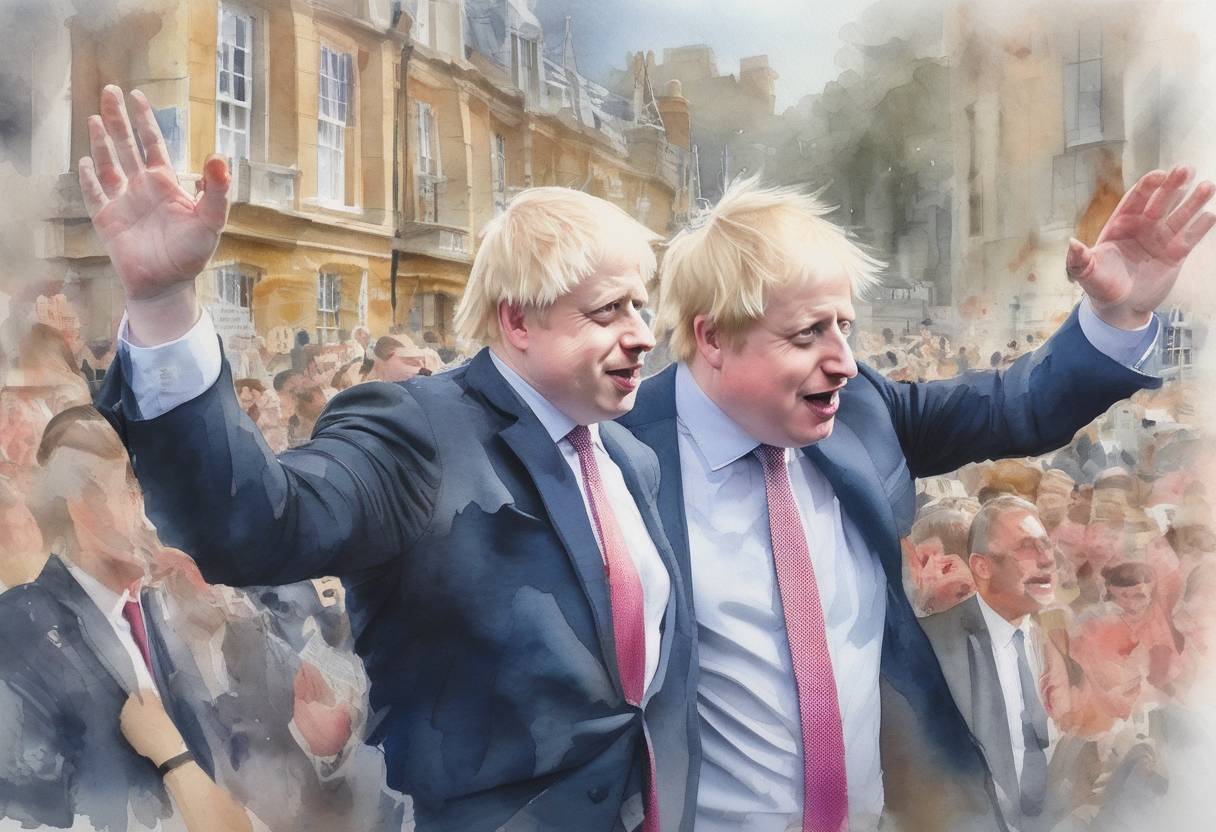
On July 24, 2019, Boris Johnson officially became the Prime Minister of the United Kingdom, succeeding Theresa May. His leadership marked a significant shift in British politics, particularly concerning the ongoing Brexit negotiations.
Theresa May’s Resignation: Theresa May announced her resignation as leader of the Conservative Party on May 24, 2019, following repeated failures to secure parliamentary approval for her Brexit deal. Her tenure was marked by intense political pressure and division within her party and the country over Brexit.
Conservative Party Leadership Election: Boris Johnson emerged as a frontrunner in the Conservative Party leadership contest, advocating for a more decisive approach to Brexit. He won the leadership election by a significant margin, defeating his rival Jeremy Hunt.
Audience with the Queen: On July 24, Boris Johnson met with Queen Elizabeth II at Buckingham Palace, where he was invited to form a government. This meeting is a traditional constitutional formality in the UK when a new Prime Minister is appointed.
First Speech as Prime Minister: Following his appointment, Johnson delivered his first speech outside 10 Downing Street. He emphasized his commitment to delivering Brexit by the October 31 deadline, “no ifs or buts,” and outlined his vision for the country, including priorities like education, healthcare, and infrastructure.
Brexit Strategy: Johnson’s leadership marked a more assertive approach to Brexit. He was determined to renegotiate the withdrawal agreement with the European Union and was prepared to leave without a deal if necessary.
Political Challenges: Johnson faced significant challenges, including a divided Parliament, opposition from within his party, and the broader political landscape. His tenure began with a focus on uniting the Conservative Party and addressing the Brexit impasse.
Impact on British Politics: Johnson’s premiership represented a shift towards a more populist and charismatic style of leadership. His approach to Brexit and domestic policies would have lasting implications for the UK’s political and economic landscape.
Brexit Resolution: Johnson’s government eventually negotiated a revised Brexit deal with the EU, which was passed by Parliament. The UK officially left the EU on January 31, 2020.
General Election: In December 2019, Johnson called a general election, which resulted in a significant Conservative majority, strengthening his mandate to implement his policies.
Boris Johnson’s tenure as Prime Minister began with a focus on delivering Brexit and addressing domestic issues, setting the stage for a transformative period in UK politics.
Source: www.bbc.com