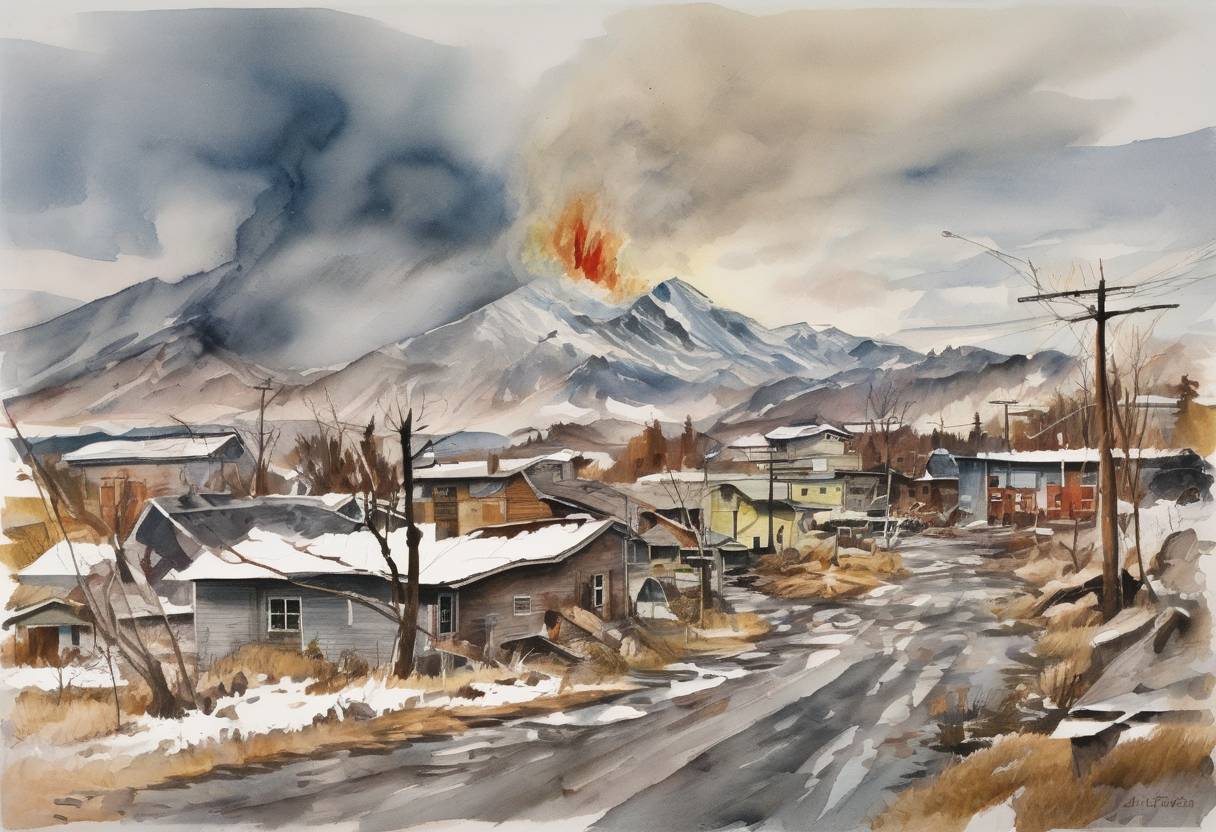
The Good Friday Earthquake: March 27, 1964
On March 27, 1964, the most powerful earthquake in U.S. history struck Alaska. Known as the Good Friday Earthquake, it registered a staggering 9.2 on the Richter scale, making it the second most powerful earthquake ever recorded globally.
Context and Background
- Geological Setting: The earthquake occurred in the Prince William Sound region of Alaska, an area known for its tectonic activity due to the subduction of the Pacific Plate beneath the North American Plate.
- Timing: The earthquake struck at 5:36 PM local time on Good Friday, a significant day in the Christian calendar, which contributed to its name.
Key Events
- Duration and Intensity: The earthquake lasted approximately 4.5 minutes, causing widespread ground shaking and significant geological changes.
- Epicenter: The epicenter was located about 12.4 miles north of Prince William Sound, near the town of Valdez.
- Tsunami: The earthquake generated a massive tsunami that affected not only the Alaskan coastline but also impacted areas as far away as Hawaii, Japan, and the west coast of the United States.
- Damage: Anchorage, Alaska’s largest city, suffered extensive damage. Infrastructure, including roads, buildings, and utilities, was severely impacted. The town of Valdez was particularly hard hit, with the original townsite being abandoned and rebuilt in a safer location.
Consequences and Aftermath
- Casualties: Despite the earthquake’s magnitude, the death toll was relatively low, with 131 fatalities. This was due in part to the low population density of the affected areas and the timing of the event.
- Economic Impact: The earthquake caused an estimated \(311 million in damages (equivalent to over \)2 billion today), affecting homes, businesses, and public infrastructure.
- Geological Studies: The event provided valuable data for seismologists and led to significant advancements in the understanding of subduction zones and earthquake mechanics.
- Policy Changes: The earthquake prompted changes in building codes and disaster preparedness strategies in Alaska and other earthquake-prone regions.
Historical Significance
The Good Friday Earthquake remains a pivotal event in the history of seismology and disaster management. It highlighted the need for improved construction standards and emergency response plans in earthquake-prone areas. The lessons learned from this disaster continue to inform modern earthquake preparedness and response strategies worldwide.