Anglo-Polish Military Alliance: The Mutual Assistance Treaty of August 25, 1939
1939 · London, United Kingdom
The United Kingdom and Poland sign a mutual assistance treaty, ensuring mutual support in the event of a military threat.
August 31, 1907
England, Russia, and France form the Triple Entente, a military alliance.
London, United Kingdom | Triple Entente
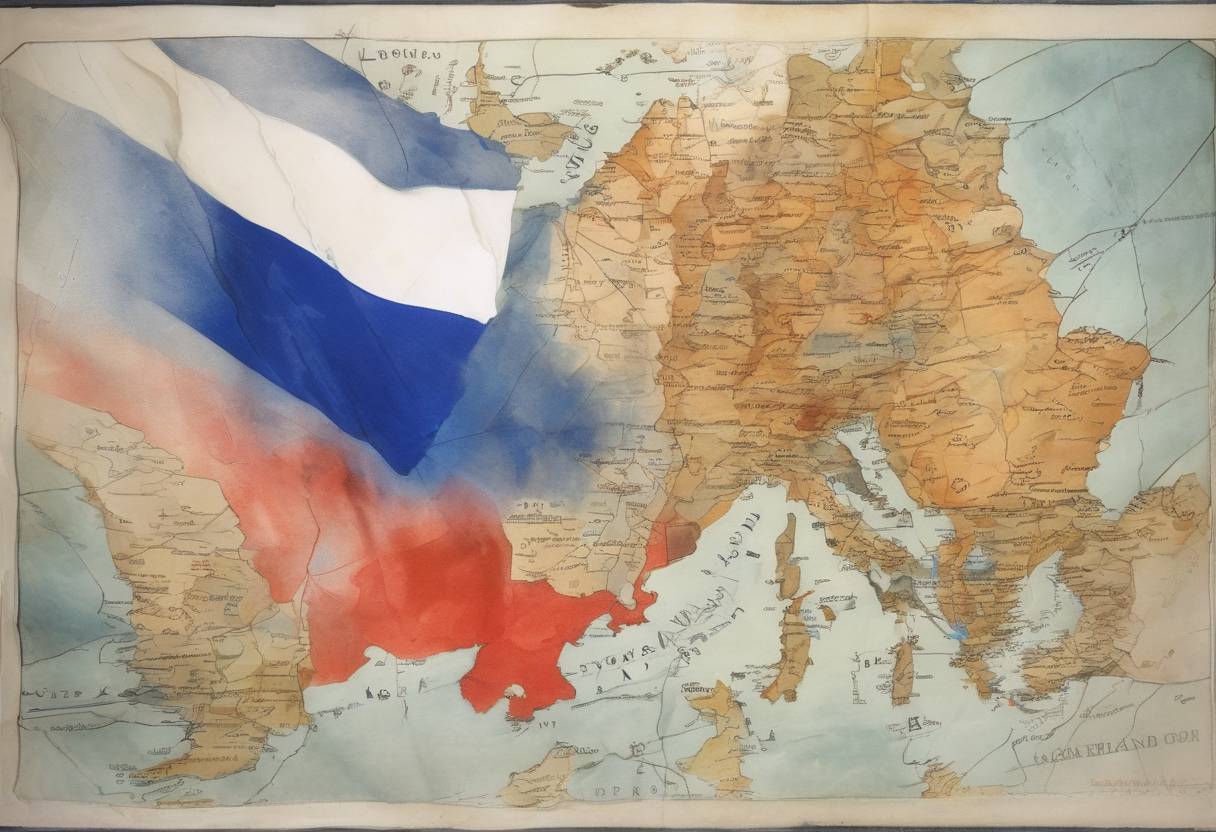
On August 31, 1907, a significant diplomatic alignment occurred with the formation of the Triple Entente, a military alliance between England (United Kingdom), Russia, and France. This alliance marked a pivotal moment in pre-World War I geopolitics, setting the stage for the complex web of alliances that would later influence the outbreak of the Great War.
The roots of the Triple Entente can be traced back to the Franco-Russian Alliance of 1894. This alliance was primarily a response to the growing power of the German Empire and its allies. France, seeking to counterbalance Germany’s influence, found a willing partner in Russia, which was also wary of German ambitions.
In 1904, the United Kingdom and France signed the Entente Cordiale, a series of agreements that resolved longstanding colonial disputes and marked the end of centuries of intermittent conflict between the two nations. This agreement was not a formal military alliance but laid the groundwork for closer diplomatic and military cooperation.
The final piece of the Triple Entente puzzle fell into place with the Anglo-Russian Convention of 1907. This agreement resolved colonial disputes in Persia, Afghanistan, and Tibet, reducing tensions between the British and Russian empires. It also paved the way for a more formalized understanding between the three nations.
The Triple Entente was not a formal alliance like the Triple Alliance of Germany, Austria-Hungary, and Italy. Instead, it was a series of understandings and agreements that aligned the foreign policies of the United Kingdom, France, and Russia. The Entente was primarily defensive, aimed at countering the perceived threat from the Triple Alliance and maintaining the balance of power in Europe.
The formation of the Triple Entente significantly altered the balance of power in Europe. It created two opposing blocs, increasing tensions and contributing to the arms race that characterized the early 20th century.
The Triple Entente played a crucial role in the events leading up to World War I. The alliance system meant that any conflict involving one member could quickly escalate into a broader war, as happened in 1914 following the assassination of Archduke Franz Ferdinand of Austria.
The Entente improved diplomatic relations between the member countries, fostering cooperation in various areas, including military planning and intelligence sharing. However, it also contributed to the polarization of European politics, making diplomatic resolutions to conflicts more challenging.
In summary, the formation of the Triple Entente on August 31, 1907, was a critical development in early 20th-century international relations. It exemplified the complex alliance systems that characterized the period and set the stage for the global conflict that would erupt just seven years later.
Source: en.wikipedia.org