Birth of Hadrian: January 24, 76 CE
76 · Italica, Roman Empire
The future Roman Emperor Hadrian was born. He would later become known for building Hadrian's Wall in Britain and for his extensive travels throughout the Roman Empire.
March 29, 0146
Emperor Antoninus Pius, the Roman Emperor from 138 to 161, was born. His reign was marked by peace and stability within the Roman Empire.
Lanuvium, Roman Empire | Roman Empire
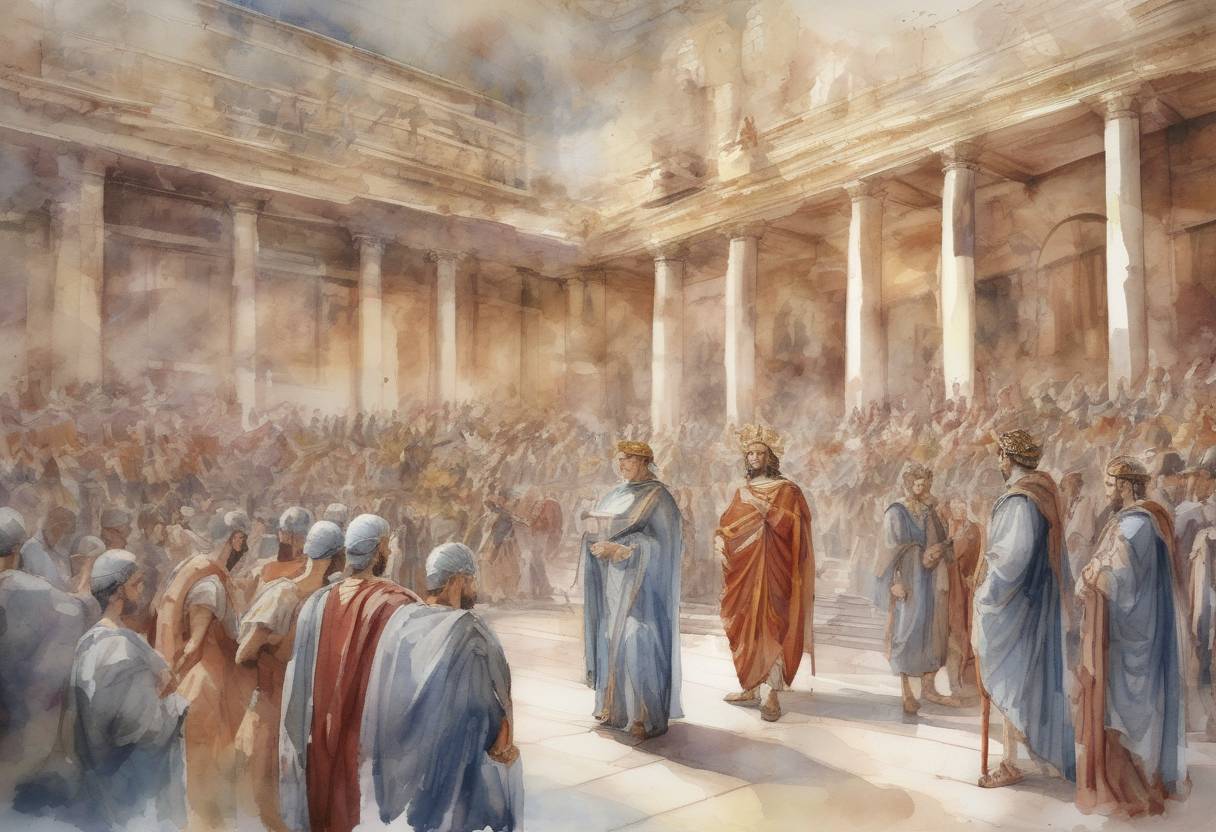
Emperor Antoninus Pius was born on September 19, 86 AD, in Lanuvium, a town near Rome. His full name was Titus Aurelius Fulvus Boionius Arrius Antoninus. Coming from a wealthy and influential family, Antoninus was well-educated and groomed for a career in public service. His family connections and personal capabilities positioned him well within the Roman political hierarchy.
Antoninus Pius became the Roman Emperor on July 10, 138 AD, following the death of Emperor Hadrian. Hadrian had adopted Antoninus as his son and successor, a common practice in Roman imperial succession to ensure a smooth transition of power. Antoninus, in turn, was required to adopt Marcus Aurelius and Lucius Verus, ensuring the continuity of leadership.
Antoninus Pius’s reign is often characterized by its peace and stability, a period known as the Pax Romana. Unlike many of his predecessors and successors, Antoninus did not engage in significant military campaigns. Instead, he focused on consolidating and administering the vast Roman Empire efficiently. His reign is noted for several key aspects:
Administrative Reforms: Antoninus Pius was known for his administrative acumen. He implemented legal reforms and improved the efficiency of the provincial administration. His policies often emphasized fairness and justice, earning him a reputation as a benevolent ruler.
Economic Prosperity: The empire enjoyed economic stability during his reign. Antoninus invested in infrastructure, including roads and aqueducts, which facilitated trade and communication across the empire.
Cultural Patronage: He was a patron of the arts and philosophy, supporting intellectual pursuits and cultural activities. This patronage contributed to the flourishing of Roman culture during his time.
Religious Tolerance: Antoninus Pius is also noted for his relatively tolerant approach to religious practices, allowing various religious communities to coexist within the empire.
Antoninus Pius’s reign is often seen as a high point of the Roman Empire’s stability and prosperity. His governance style, marked by moderation and prudence, set a standard for future emperors. The peaceful nature of his rule allowed for the consolidation of Roman achievements and the strengthening of imperial institutions.
Upon his death on March 7, 161 AD, Antoninus Pius was succeeded by his adopted sons, Marcus Aurelius and Lucius Verus, marking the beginning of a co-emperorship. His legacy lived on through the continued stability and prosperity of the empire, and he was deified by the Roman Senate, a testament to his respected status.
In summary, Antoninus Pius’s reign is remembered as a period of peace and good governance, contributing significantly to the enduring strength of the Roman Empire.
Source: en.wikipedia.org