February 28, 1997

An earthquake in northern Iran kills around 1,100 people.


Ardabil, Iran | Iranian Government
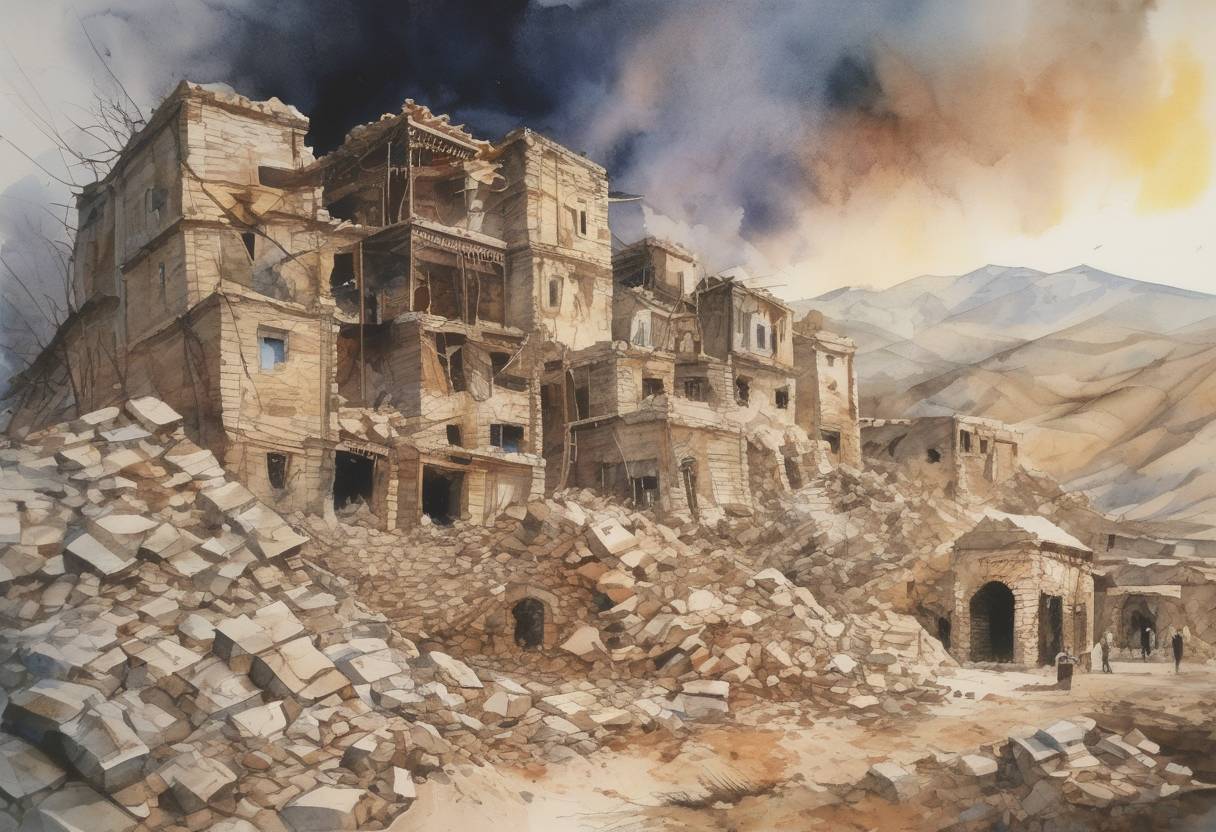
Watercolor painting based depiction of An earthquake in northern Iran kills around 1,100 people. (1997)

Earthquake in Northern Iran - February 28, 1997

On February 28, 1997, a devastating earthquake struck northern Iran, resulting in significant loss of life and widespread destruction. This seismic event is a poignant reminder of the region’s vulnerability to natural disasters due to its location along major fault lines.

Key Details

  • Date and Time: The earthquake occurred on February 28, 1997.
  • Magnitude: The earthquake registered a magnitude of 6.1 on the Richter scale.
  • Epicenter: The epicenter was located near the town of Ardabil in northwestern Iran, a region known for its seismic activity.
  • Casualties: Approximately 1,100 people lost their lives as a result of the earthquake. Thousands more were injured, and many were left homeless.
  • Damage: The earthquake caused extensive damage to infrastructure, including homes, schools, and hospitals. Many buildings were not constructed to withstand such seismic forces, contributing to the high casualty rate.

Context and Impact

Geographical and Seismic Context

Iran is situated on the Alpide earthquake belt, which is one of the most seismically active regions in the world. The country’s complex tectonic setting involves the collision of the Arabian and Eurasian plates, making it prone to frequent and sometimes severe earthquakes.

Immediate Aftermath

  • Rescue Efforts: In the immediate aftermath, rescue operations were launched to search for survivors trapped under the rubble. The Iranian government, along with international aid organizations, mobilized resources to provide emergency relief.
  • Humanitarian Response: The disaster prompted a significant humanitarian response, with aid flowing in from various countries and organizations to assist those affected by the earthquake.

Long-term Consequences

  • Reconstruction: The rebuilding process was a long-term effort, focusing on constructing more earthquake-resistant structures to mitigate the impact of future seismic events.
  • Policy Changes: The earthquake highlighted the need for improved building codes and disaster preparedness strategies in Iran, leading to policy changes aimed at enhancing the country’s resilience to natural disasters.

Historical Significance

The 1997 earthquake in northern Iran is a significant event in the country’s history, underscoring the persistent threat of earthquakes in the region. It served as a catalyst for improvements in disaster management and building practices, aiming to reduce the impact of future earthquakes on the Iranian population.

This tragic event is a reminder of the importance of preparedness and resilience in the face of natural disasters, particularly in regions with high seismic activity.