Coronation of George I of Great Britain
1714 · London, Great Britain
The coronation of George I of Great Britain took place at Westminster Abbey.
August 1, 1714
The Elector of Hanover became King George I of Great Britain, marking the beginning of the Georgian era.
London, United Kingdom | British Monarchy
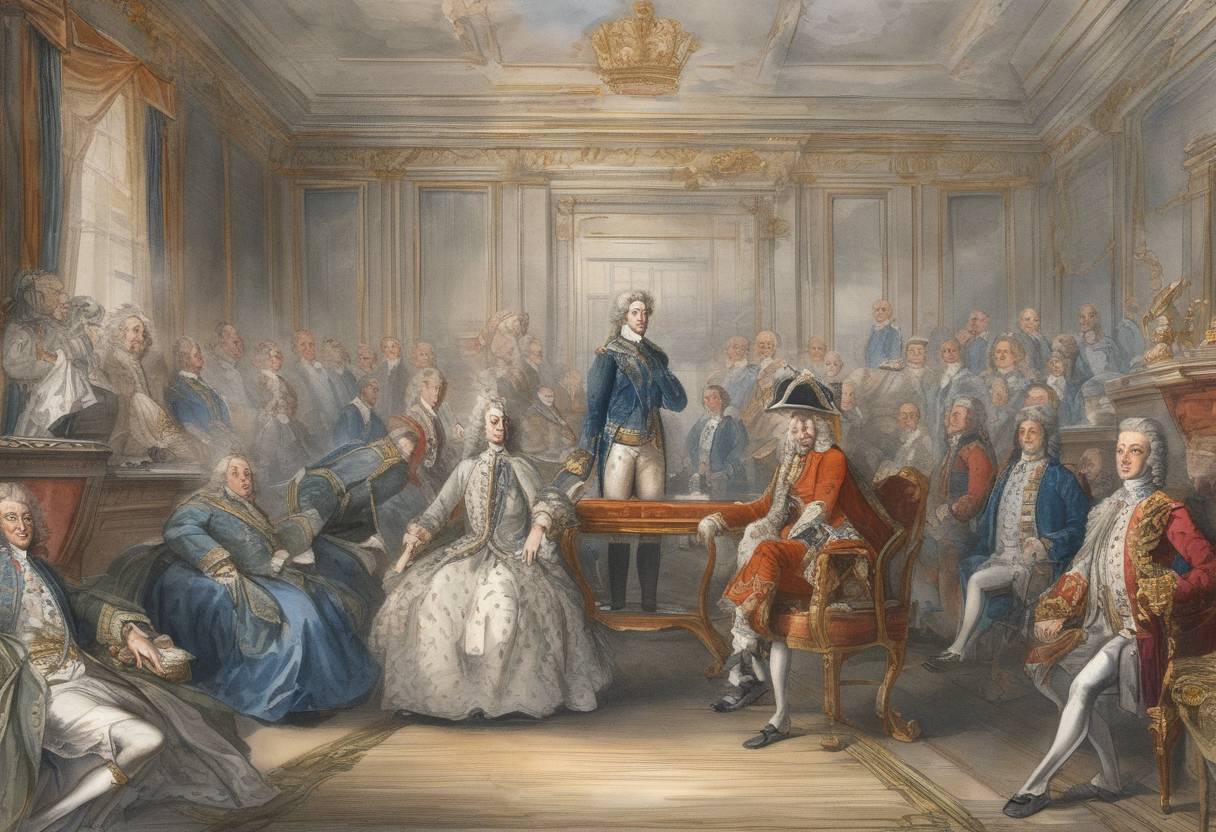
On August 1, 1714, the Elector of Hanover, George Louis, ascended to the British throne as King George I, marking the commencement of the Georgian era. This significant event in British history followed the death of Queen Anne and was a direct result of the Act of Settlement 1701, which aimed to secure Protestant succession to the English throne.
The Act of Settlement 1701: This legislation was enacted to ensure that the English crown would remain within Protestant hands, bypassing numerous Catholic claimants. It stipulated that the throne would pass to the Electress Sophia of Hanover and her Protestant descendants, should Queen Anne die without issue.
Queen Anne’s Reign: Queen Anne, the last monarch of the House of Stuart, died on August 1, 1714, without surviving children. Her death created a succession crisis that the Act of Settlement had anticipated.
The Hanoverian Succession: George Louis was the son of the Electress Sophia, who had predeceased Queen Anne by a few weeks. As the next Protestant in line, George Louis became King George I of Great Britain and Ireland.
Proclamation as King: On the day of Queen Anne’s death, George I was proclaimed king. His accession was largely peaceful, thanks to the preparations made by the Whig government to ensure a smooth transition.
Travel to Britain: George I was in Hanover at the time of his accession. He traveled to Britain, arriving in Greenwich on September 18, 1714, to assume his new role.
The Georgian Era: The accession of George I marked the beginning of the Georgian era, a period characterized by significant political, economic, and cultural changes in Britain. It lasted until the death of King George IV in 1830.
The Rise of the Whigs: George I’s reign saw the dominance of the Whig party, as he relied heavily on them due to his limited understanding of English politics and language. This period marked the development of the modern system of parliamentary government.
Jacobite Challenges: The early years of George I’s reign were marked by Jacobite uprisings, as supporters of the deposed Stuart line sought to restore James Francis Edward Stuart, known as the “Old Pretender,” to the throne.
Cultural and Economic Developments: The Georgian era witnessed the beginnings of the Industrial Revolution, significant advancements in arts and architecture, and the expansion of the British Empire.
King George I’s accession was a pivotal moment in British history, setting the stage for a century of transformation and laying the groundwork for modern Britain. His reign, although initially challenged, ultimately reinforced the constitutional monarchy and parliamentary democracy that define the United Kingdom today.
Source: en.wikipedia.org