Declaration of Independence by Abkhazia on August 15, 2008
2008 · Sukhumi, Abkhazia
Abkhazia declared independence from Georgia, following the conflict between Georgia and Russia over South Ossetia.
September 27, 1993
The Sukhumi massacre occurs during the Georgian-Abkhazian conflict, resulting in the deaths of hundreds of civilians.
Sukhumi, Georgia | Abkhazian forces
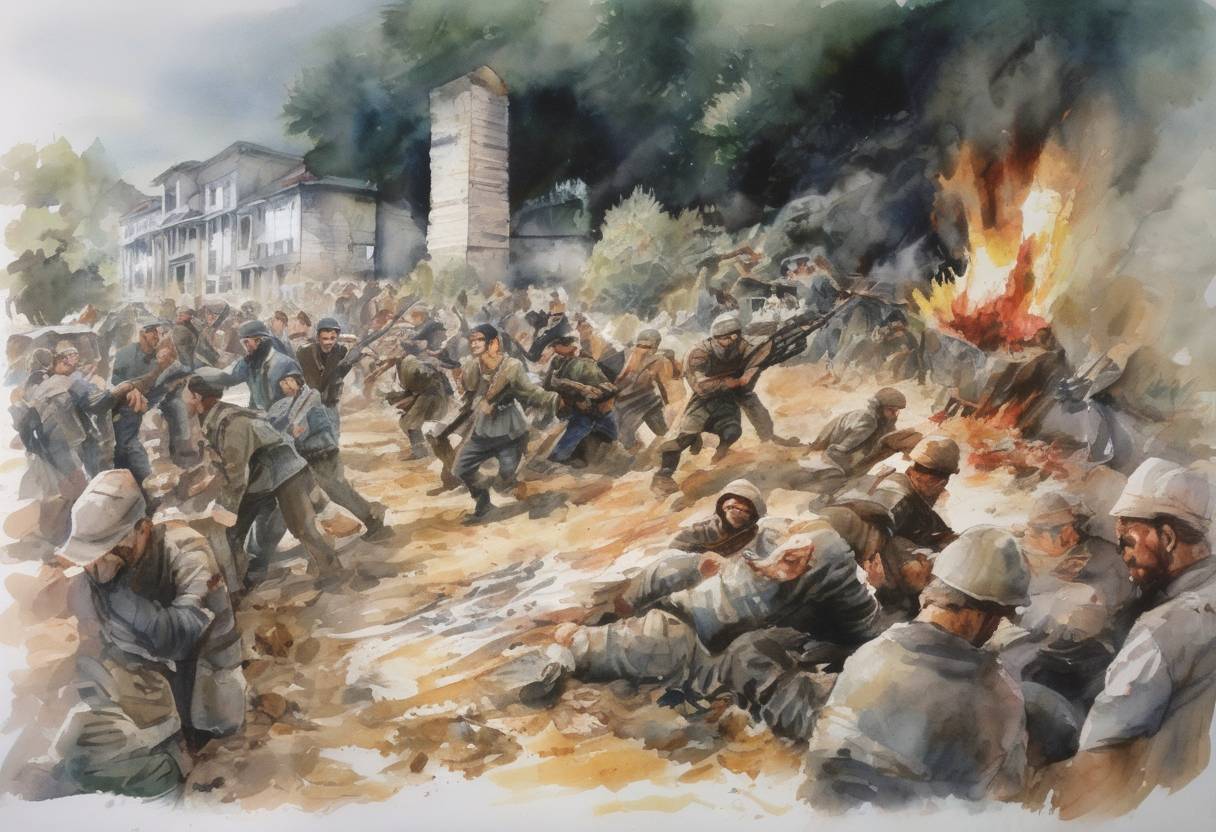
The Sukhumi massacre, which occurred on September 27, 1993, was a tragic and violent episode during the Georgian-Abkhazian conflict. This conflict was part of the broader geopolitical upheavals following the dissolution of the Soviet Union, as various regions sought independence or greater autonomy.
Georgian-Abkhazian Conflict: The conflict began in August 1992 when Georgian forces entered Abkhazia, a region in northwest Georgia with a significant ethnic Abkhaz population. The Abkhaz sought independence from Georgia, leading to a violent struggle.
Ethnic Tensions: The conflict was fueled by ethnic tensions, with the Abkhaz minority seeking to assert their rights against the Georgian government. The situation was complicated by the presence of other ethnic groups, including Russians, Armenians, and Greeks.
Capture of Sukhumi: On September 27, 1993, Abkhaz forces, supported by Russian fighters and North Caucasian volunteers, captured the city of Sukhumi, the capital of Abkhazia. This marked a decisive moment in the conflict.
Mass Killings: Following the capture, Abkhaz forces reportedly engaged in widespread atrocities against ethnic Georgians. Hundreds of civilians were killed in what has been described as ethnic cleansing. Reports indicate that the violence included executions, rapes, and other brutal acts.
Humanitarian Impact: The massacre led to a mass exodus of ethnic Georgians from Abkhazia, contributing to a significant refugee crisis. Thousands were displaced, seeking refuge in other parts of Georgia or abroad.
Ceasefire and Stalemate: The fall of Sukhumi effectively ended major hostilities in the region, leading to a ceasefire brokered by Russia. However, the conflict remained unresolved, with Abkhazia declaring independence, a status not widely recognized internationally.
Long-term Impact: The events in Sukhumi left deep scars and contributed to ongoing tensions between Georgia and Abkhazia. The region remains a point of contention, with periodic flare-ups and a fragile peace.
International Response: The international community condemned the violence, but effective intervention was limited. The United Nations and other organizations have since been involved in peacekeeping and mediation efforts.
The Sukhumi massacre is a stark reminder of the ethnic and territorial conflicts that emerged in the post-Soviet space. It highlights the challenges of nation-building and the protection of minority rights in newly independent states. The events underscore the importance of international efforts to prevent and resolve ethnic conflicts and protect civilian populations in conflict zones.
Source: en.wikipedia.org