Hurricane Matthew Makes Landfall in South Carolina - October 8, 2016
2016 · Charleston, United States
Hurricane Matthew makes landfall in South Carolina, causing widespread flooding and damage along the southeastern coast of the United States.
October 4, 2016
Hurricane Matthew makes landfall in Haiti as a Category 4 hurricane, causing widespread devastation and loss of life.
n/a, Haiti | National Hurricane Center
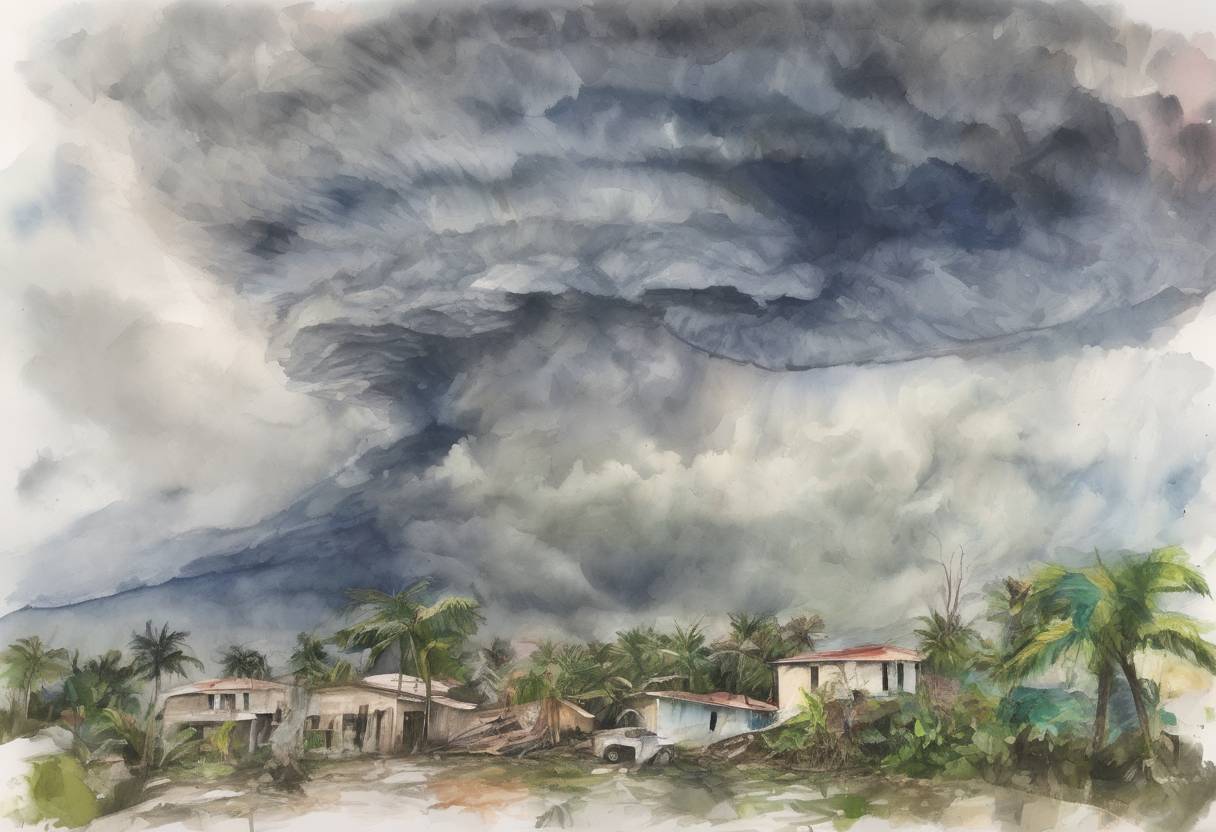
On October 4, 2016, Hurricane Matthew, a powerful Category 4 hurricane, made landfall in Haiti, causing catastrophic damage and significant loss of life. This event marked one of the most devastating natural disasters to hit the Caribbean nation in recent history.
Hurricane Matthew formed in the Atlantic Ocean on September 28, 2016, and quickly intensified into a major hurricane. By October 1, it had reached Category 5 status, making it the strongest Atlantic hurricane since Hurricane Felix in 2007. As it approached the Caribbean, Matthew posed a severe threat to several countries, including Haiti, Cuba, and the Bahamas.
Hurricane Matthew highlighted the vulnerability of Haiti to natural disasters, exacerbated by deforestation, poverty, and inadequate infrastructure. The event underscored the need for improved disaster preparedness and resilience-building measures in the region. It also drew attention to the impacts of climate change, as warmer ocean temperatures are linked to the increased intensity of hurricanes.
In summary, Hurricane Matthew’s landfall in Haiti was a tragic event with lasting impacts on the country’s population and infrastructure. The international response and subsequent recovery efforts were crucial in addressing the immediate needs and supporting long-term rebuilding.
Source: www.nhc.noaa.gov