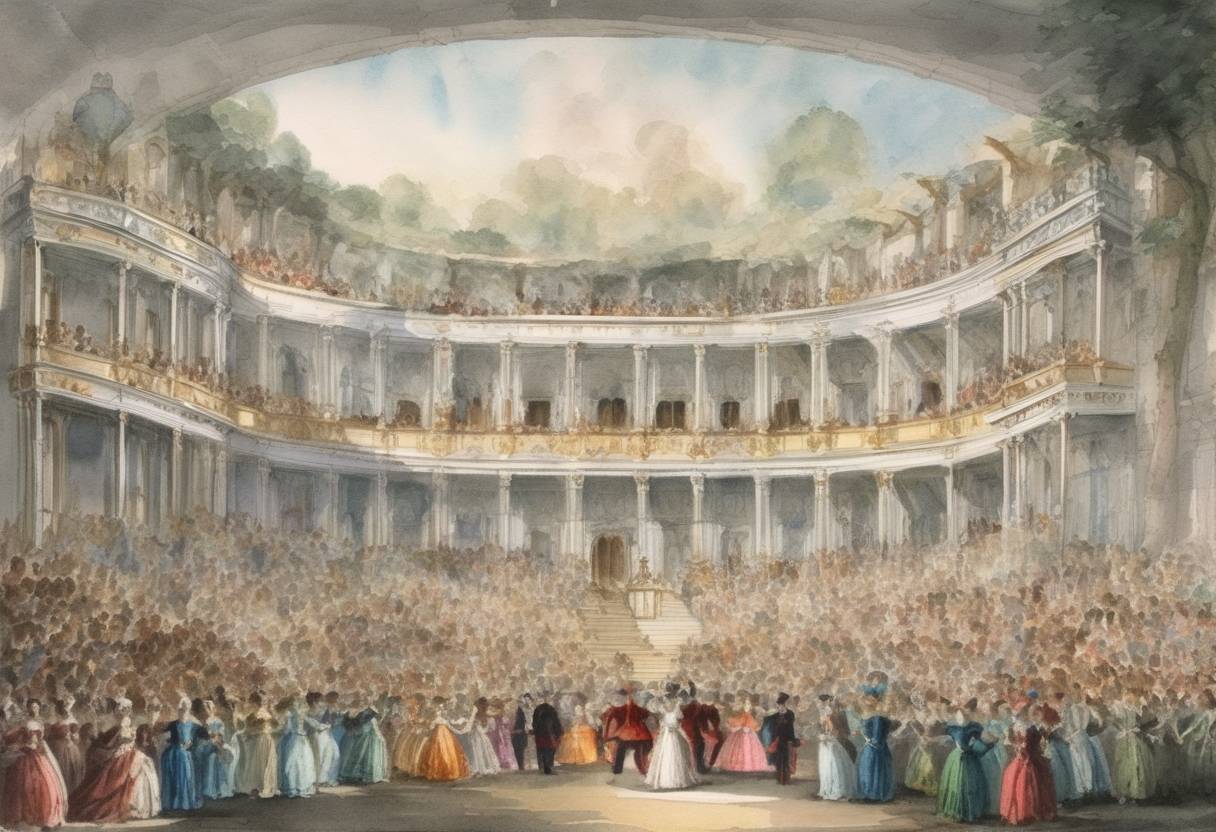
On September 30, 1791, Wolfgang Amadeus Mozart’s opera Die Zauberflöte (The Magic Flute) premiered at the Theater auf der Wieden in Vienna, Austria. This event marked a significant moment in the history of opera, showcasing Mozart’s genius in blending music with theatrical storytelling.
Context and Background
- Composer: Wolfgang Amadeus Mozart, an Austrian composer renowned for his contributions to classical music, composed The Magic Flute during the final year of his life.
- Librettist: The opera’s libretto was written by Emanuel Schikaneder, a close friend of Mozart and a theatrical impresario. Schikaneder also played the role of Papageno in the premiere.
- Setting: The opera was performed in a suburban theater in Vienna, which was known for its popular and accessible productions, contrasting with the more aristocratic venues of the time.
Key Themes and Structure
- Genre: The Magic Flute is a Singspiel, a form of German opera characterized by spoken dialogue interspersed with songs.
- Plot: The opera is a fantastical tale that combines elements of fairy tale, adventure, and Enlightenment philosophy. It follows the journey of Prince Tamino and his quest to rescue Pamina, the daughter of the Queen of the Night, with the help of the bird-catcher Papageno.
- Symbolism: The work is rich in Masonic symbolism, reflecting Mozart’s own membership in the Freemasons. Themes of enlightenment, wisdom, and the triumph of good over evil are central to the narrative.
Premiere and Reception
- Performance: The premiere was conducted by Mozart himself, and it featured a cast that included both professional singers and actors, reflecting the opera’s blend of high art and popular entertainment.
- Reception: Initially, the opera received mixed reviews, but it quickly gained popularity and became one of Mozart’s most celebrated works. Its appeal lay in its engaging music, memorable arias, and the universal themes it explored.
Aftermath and Legacy
- Mozart’s Death: Tragically, Mozart passed away on December 5, 1791, just a few months after the premiere. He did not live to see the full extent of the opera’s success.
- Cultural Impact: The Magic Flute has since become a staple of the operatic repertoire worldwide, admired for its innovative use of music and its profound philosophical underpinnings.
- Influence: The opera has inspired numerous adaptations and interpretations, and its music continues to be celebrated for its beauty and complexity.
In summary, the first performance of The Magic Flute on September 30, 1791, was a landmark event in the world of opera, showcasing Mozart’s extraordinary talent and leaving a lasting legacy in the cultural canon.