U.S. Fighter Jet Bombing Incident at the Great Barrier Reef
2015 · Great Barrier Reef, Australia
A U.S. fighter jet accidentally dropped inert bombs on the Great Barrier Reef in an area off the coast of Queensland, sparking environmental concerns.
January 5, 2014
A US Air Force Pave Hawk helicopter crashed in Cley next the Sea, Norfolk, England, killing all four crew members.
Cley next the Sea, United Kingdom | United States Air Force
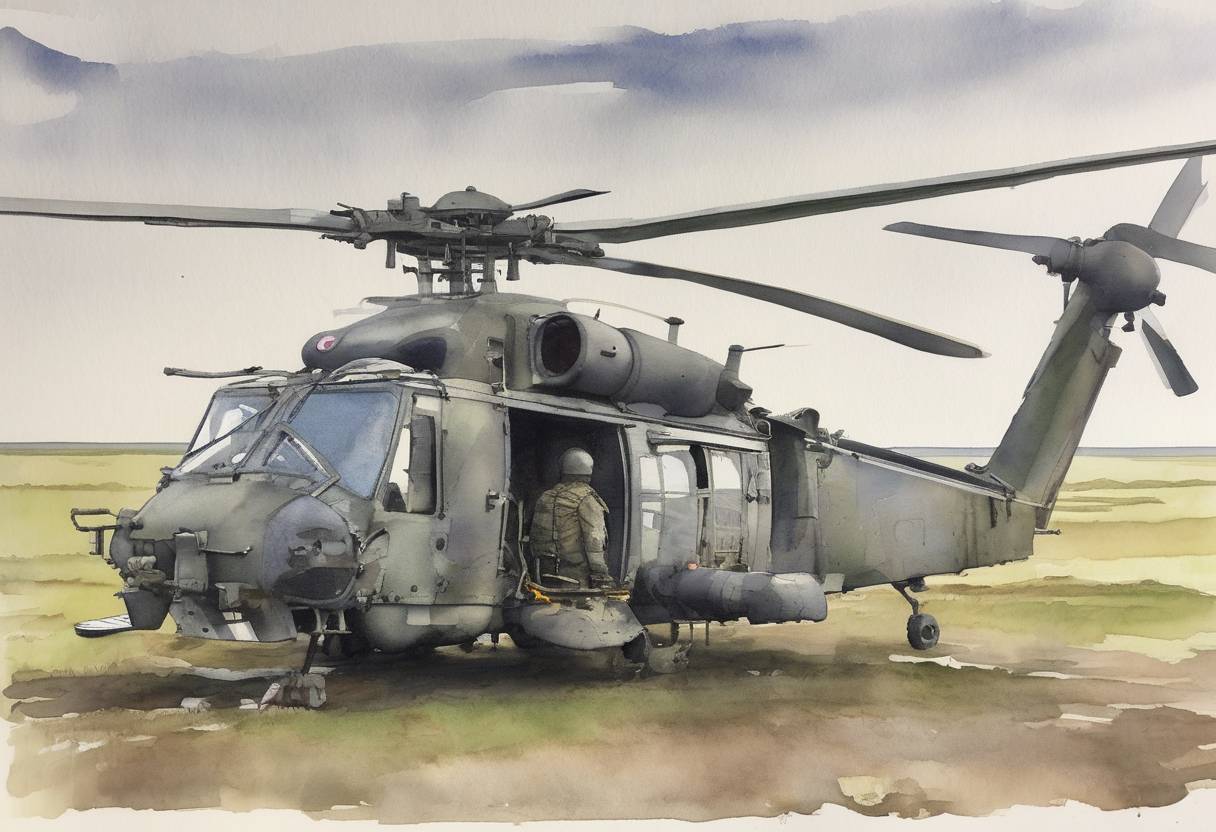
On January 7, 2014, a tragic accident occurred involving a US Air Force HH-60G Pave Hawk helicopter, which crashed in Cley next the Sea, a village in Norfolk, England. This unfortunate event resulted in the loss of all four crew members on board.
The HH-60G Pave Hawk is a highly specialized helicopter used by the US Air Force primarily for combat search and rescue operations. It is a variant of the UH-60 Black Hawk and is equipped with advanced avionics and systems to perform its missions in hostile environments.
The crash resulted in the deaths of all four crew members aboard the helicopter. The crew was part of the 48th Fighter Wing, stationed at RAF Lakenheath in Suffolk, England. The names of the deceased were later released by the US Air Force:
Following the crash, an investigation was launched to determine the cause of the accident. The investigation revealed that the helicopter struck a flock of geese, which caused catastrophic damage to the aircraft, leading to the crash. The incident highlighted the risks associated with bird strikes, particularly during low-level flight operations.
The crash had a significant impact on the local community and the US Air Force personnel stationed in the UK. Memorial services were held to honor the fallen crew members, and the incident served as a somber reminder of the dangers faced by military personnel during training and operational missions.
This tragic event underscored the importance of safety measures and risk assessments in military aviation, particularly concerning wildlife hazards. It also reinforced the strong ties between the US and UK military forces, as both nations worked closely in the aftermath of the crash.
The loss of the crew members was deeply felt by their families, colleagues, and the broader military community, serving as a poignant reminder of the sacrifices made by service members in the line of duty.
Source: en.wikipedia.org