End of the Ebola Virus Outbreak in Mali
2015 · Bamako, Mali
The World Health Organization declares the end of the Ebola virus outbreak in Mali, marking a significant step in containing the epidemic in West Africa.
August 19, 2020
Mali's President Ibrahim Boubacar Keïta resigned after being detained by mutinous soldiers, following months of protests against his government.
Bamako, Mali | Malian Armed Forces
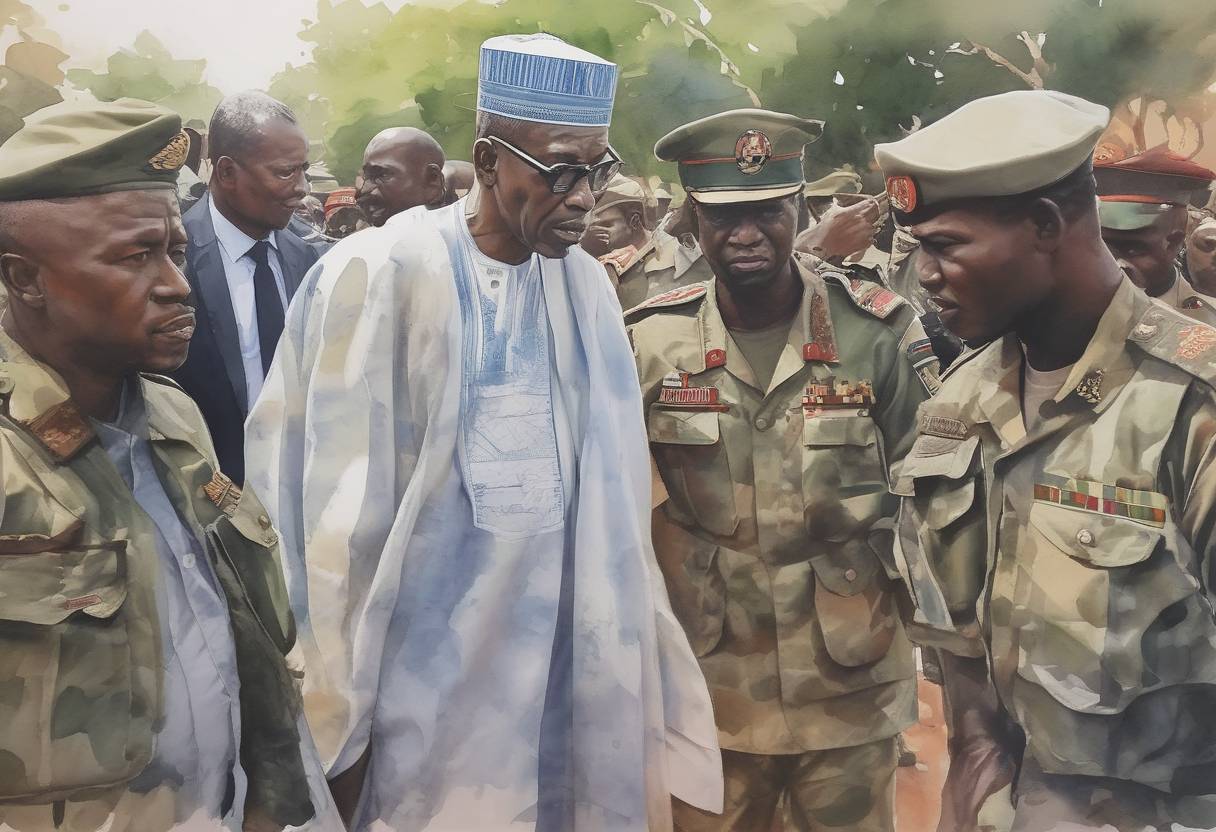
On August 19, 2020, Mali’s President Ibrahim Boubacar Keïta announced his resignation after being detained by mutinous soldiers, marking a significant turning point in the country’s political landscape. This event was the culmination of months of escalating protests against his government, driven by widespread dissatisfaction with corruption, economic mismanagement, and a deteriorating security situation.
Ibrahim Boubacar Keïta, often referred to as “IBK,” had been in power since 2013. His presidency was initially welcomed with optimism, as he promised to restore stability following a coup in 2012 and a subsequent insurgency in the north. However, his administration faced increasing criticism over time due to:
The discontent culminated in a series of protests organized by a coalition of opposition groups known as the June 5 Movement – Rally of Patriotic Forces (M5-RFP). These protests, which began in June 2020, demanded Keïta’s resignation, citing his inability to address the country’s pressing issues.
On August 18, 2020, a group of soldiers initiated a mutiny at the Kati military base near the capital, Bamako. They swiftly moved to detain President Keïta, Prime Minister Boubou Cissé, and other senior officials.
The coup was met with widespread condemnation from the international community, including the African Union, the Economic Community of West African States (ECOWAS), and the United Nations. These organizations called for the restoration of constitutional order and imposed sanctions on Mali.
The events of August 19, 2020, underscored the deep-seated issues within Mali and highlighted the complexities of governance in a nation grappling with both internal and external pressures.
Source: www.bbc.com