Florida's Admission as the 27th U.S. State
1845 · Tallahassee, United States
Florida is admitted as the 27th U.S. state.
December 14, 1819
Alabama was admitted as the 22nd state of the United States of America.
N/A, United States | United States Congress
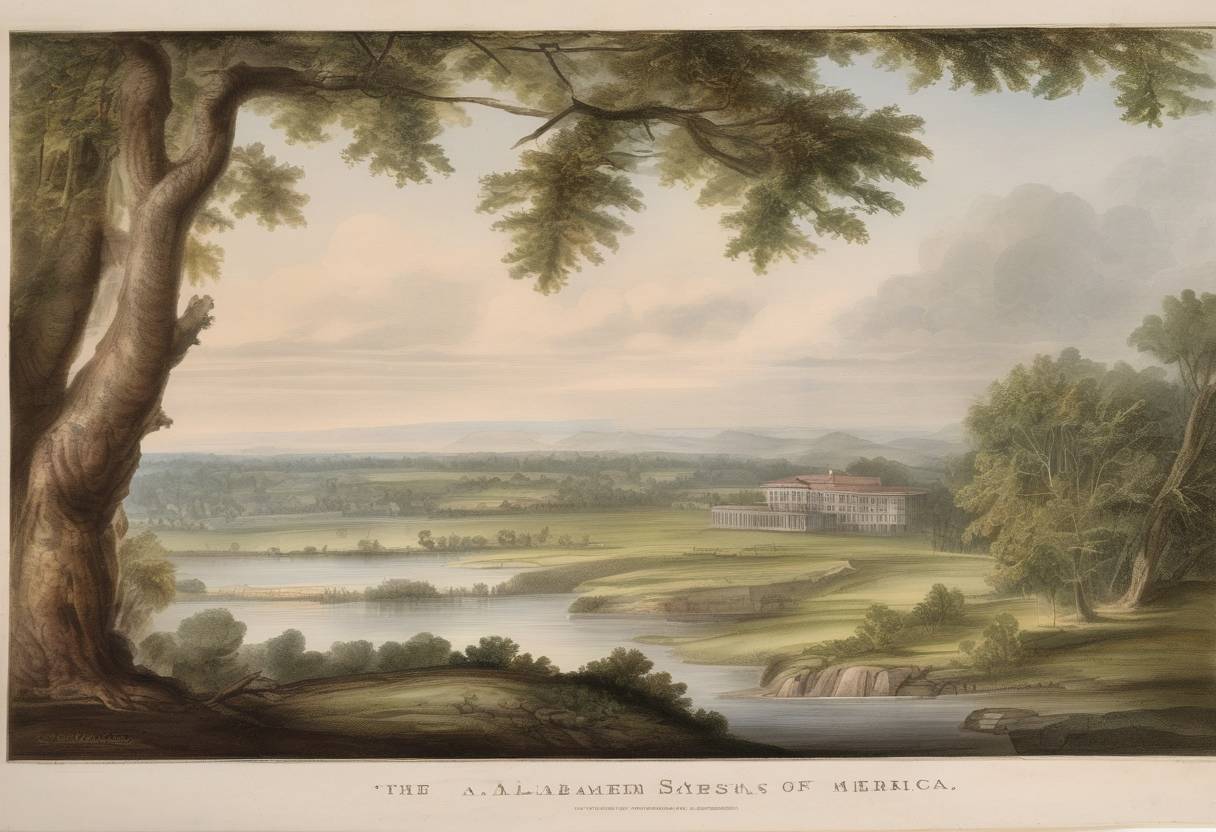
On December 14, 1819, Alabama was officially admitted to the United States as the 22nd state. This event marked a significant expansion of the United States into the southeastern region of the country, contributing to the growth and development of the nation.
Territorial Beginnings: Before its statehood, the area that is now Alabama was part of the Mississippi Territory, which was established in 1798. The territory was divided in 1817, creating the Alabama Territory as a separate entity.
Native American Lands: Much of Alabama’s land was originally inhabited by Native American tribes, including the Creek, Cherokee, Choctaw, and Chickasaw. The expansion of European-American settlers into these lands was facilitated by treaties and, at times, forced removal of Native American populations.
Economic Development: The fertile lands of Alabama were ideal for agriculture, particularly cotton farming, which became the backbone of the state’s economy. This agricultural potential attracted settlers and increased the demand for statehood.
Population Growth: By the early 19th century, Alabama experienced significant population growth, driven by settlers moving into the region. This growth was a key factor in the push for statehood.
Enabling Act: In March 1819, Congress passed the Enabling Act, which authorized the people of the Alabama Territory to form a state government and draft a state constitution.
Constitutional Convention: Delegates met in Huntsville, Alabama, in July 1819 to draft the state constitution. The constitution was completed and adopted in August of the same year, paving the way for Alabama’s admission to the Union.
Statehood: On December 14, 1819, President James Monroe signed the resolution admitting Alabama as the 22nd state of the United States.
Impact on the Union: Alabama’s admission was part of the larger trend of westward expansion and the addition of new states to the Union. It also played a role in the balance of power between free and slave states, as Alabama was admitted as a slave state.
Cultural and Economic Influence: The state’s rich natural resources and strategic location contributed to its economic development and cultural influence in the southern United States.
Antebellum Period: Alabama’s economy continued to grow, largely based on agriculture and the institution of slavery, leading up to the Civil War.
Civil War and Reconstruction: Alabama seceded from the Union in 1861, joining the Confederate States of America. After the Civil War, it underwent a period of Reconstruction, during which it was readmitted to the Union in 1868.
Modern Era: Today, Alabama’s history as the 22nd state is remembered for its contributions to the cultural and economic fabric of the United States, as well as its complex history regarding civil rights and social change.
Alabama’s admission to the Union was a pivotal moment in American history, reflecting the nation’s growth and the challenges of balancing regional interests and national unity.
Source: en.wikipedia.org