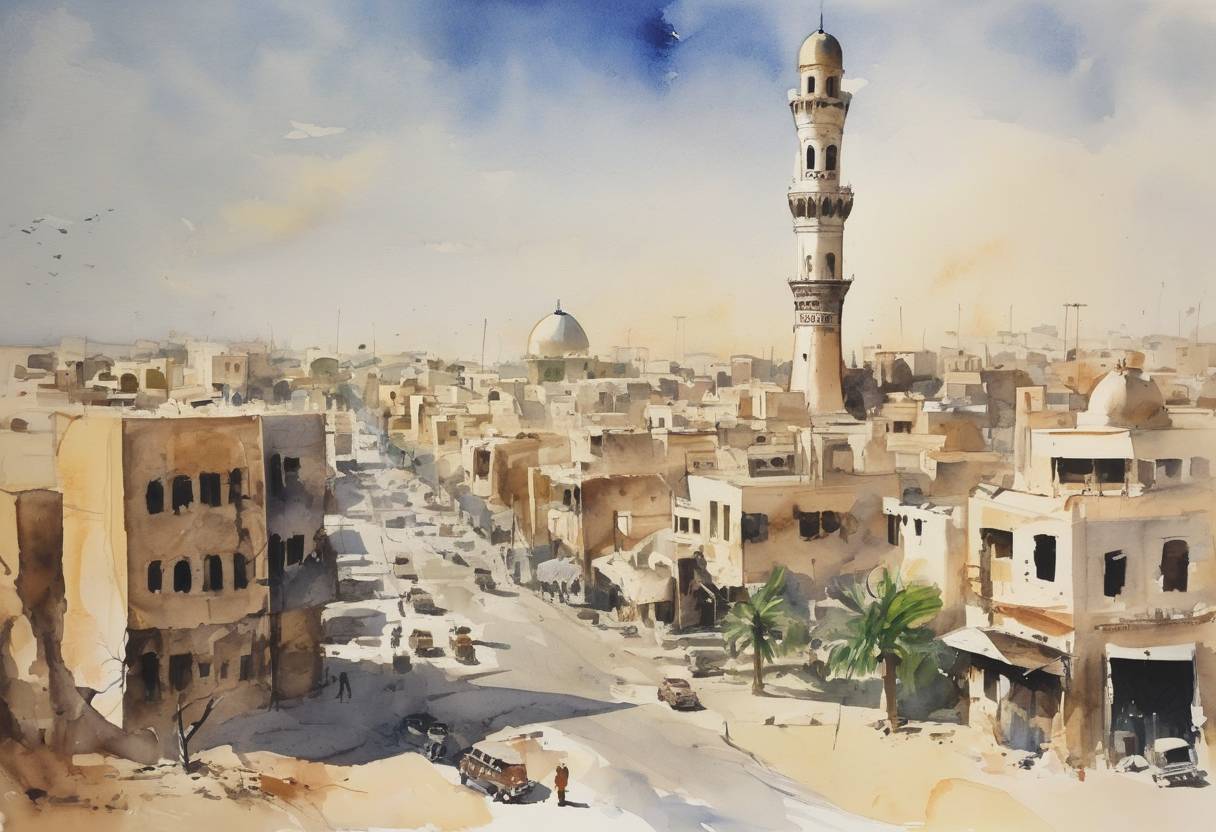
Libya’s Independence: December 24, 1951
On December 24, 1951, Libya achieved a significant milestone in its history by gaining independence from Italy and becoming the United Kingdom of Libya under the leadership of King Idris I. This event marked the first time Libya was united as a single independent nation, a pivotal moment in the country’s journey towards self-determination.
Historical Context
Italian Colonization
- Libya had been under Italian colonial rule since the early 20th century. Italy’s control began in 1911 and was solidified through a series of military campaigns and treaties.
- During World War II, Libya became a battleground for the North African Campaign, leading to significant destruction and displacement.
Post-War Developments
- After World War II, Libya was placed under British and French administration, with the British controlling Cyrenaica and Tripolitania, and the French overseeing Fezzan.
- The United Nations General Assembly passed a resolution in 1949 calling for Libya’s independence by January 1, 1952.
Path to Independence
The Role of King Idris
- Sayyid Muhammad Idris al-Mahdi al-Senussi, known as King Idris, was a prominent leader of the Senussi Order, a religious and political movement in Libya.
- Idris played a crucial role in negotiating Libya’s independence and was a unifying figure for the diverse regions of the country.
- A National Assembly was formed to draft a constitution, which established a federal monarchy with King Idris as the head of state.
- The constitution was adopted on October 7, 1951, paving the way for the official declaration of independence on December 24, 1951.
Significance and Aftermath
Unification and Sovereignty
- Libya’s independence marked the unification of the three regions—Cyrenaica, Tripolitania, and Fezzan—into a single sovereign state.
- The establishment of the United Kingdom of Libya was a significant achievement in the context of decolonization movements across Africa and the Middle East.
Challenges Ahead
- Despite independence, Libya faced numerous challenges, including economic underdevelopment, regional disparities, and political instability.
- King Idris’s reign lasted until 1969, when he was overthrown in a coup led by Muammar Gaddafi, ushering in a new era of Libyan history.
Libya’s independence in 1951 was a landmark event that laid the foundation for its future as a nation. It was a moment of hope and potential, setting the stage for the complex and dynamic history that would follow.