Restoration of Diplomatic Relations: The U.S. Embassy Reopens in Havana
2015 · Havana, Cuba
The United States reopened its embassy in Havana, Cuba, marking the restoration of diplomatic relations between the two countries after more than 50 years.
September 29, 2016
The first commercial flight from the United States to Cuba in over 50 years lands in Havana, marking a significant step in the thawing of U.S.-Cuba relations.
Havana, Cuba | JetBlue Airways
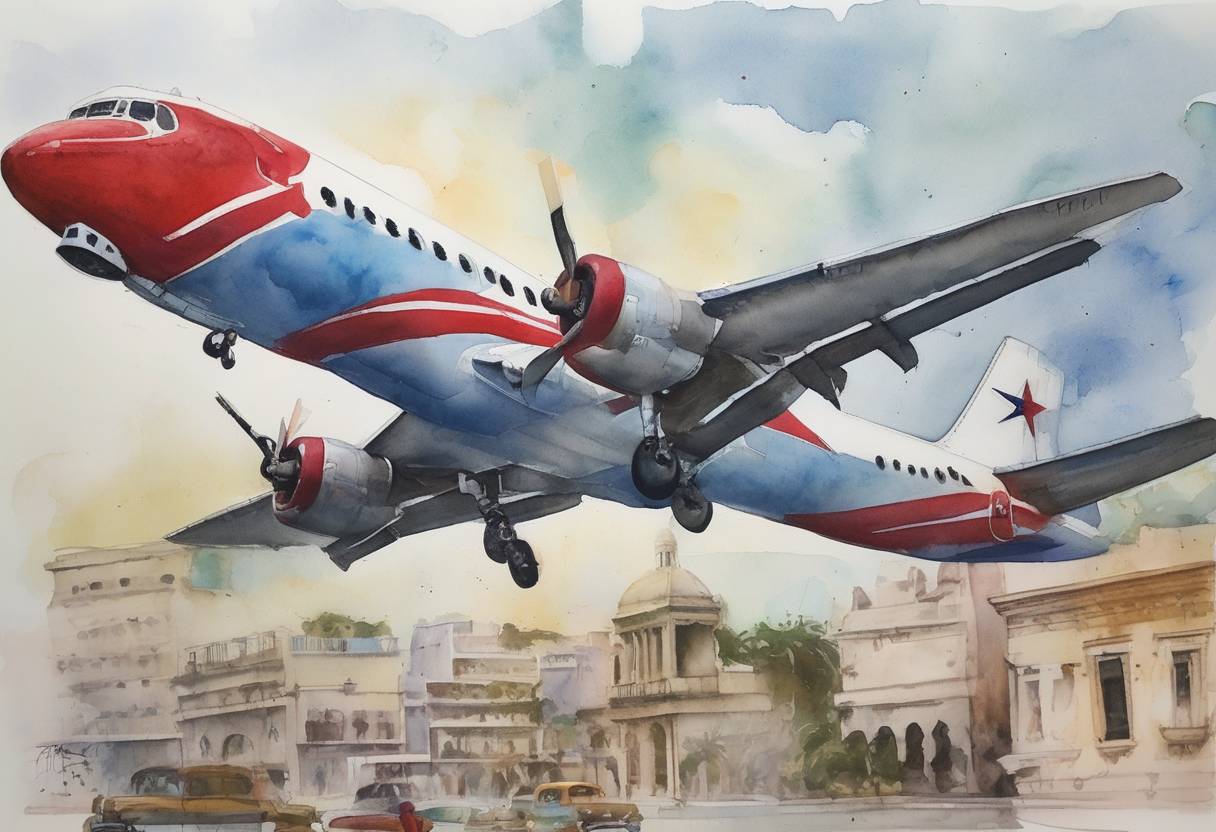
On September 29, 2016, a significant milestone in the thawing of U.S.-Cuba relations was achieved when the first commercial flight from the United States to Cuba in over half a century landed in Havana. This event marked a pivotal moment in the gradual normalization of relations between the two countries, which had been strained since the early 1960s.
The United States and Cuba severed diplomatic relations in 1961, following the Cuban Revolution and the rise of Fidel Castro’s communist government. This led to decades of embargoes and restrictions, including a ban on commercial flights between the two nations. The thaw in relations began under the administration of President Barack Obama, who, along with Cuban President Raúl Castro, announced in December 2014 that the two countries would begin to restore diplomatic ties.
The resumption of commercial flights was part of a broader effort to improve economic and cultural ties. It allowed for greater interaction between American and Cuban citizens, promoting tourism and business opportunities. However, the future of U.S.-Cuba relations remained uncertain, subject to changes in political leadership and policy shifts.
The landing of the first commercial flight was a tangible outcome of diplomatic efforts to bridge a decades-long divide. It underscored the potential for diplomacy to overcome historical animosities and highlighted the importance of people-to-people connections in fostering understanding and cooperation.
This event was a testament to the evolving relationship between the United States and Cuba, reflecting broader trends of reconciliation and engagement in international relations.
Source: www.nytimes.com