November 28, 2016

A plane carrying the Chapecoense football team crashed in Colombia, killing 71 people. The team was on its way to play in the Copa Sudamericana final.


Medellín, Colombia | LaMia Airlines
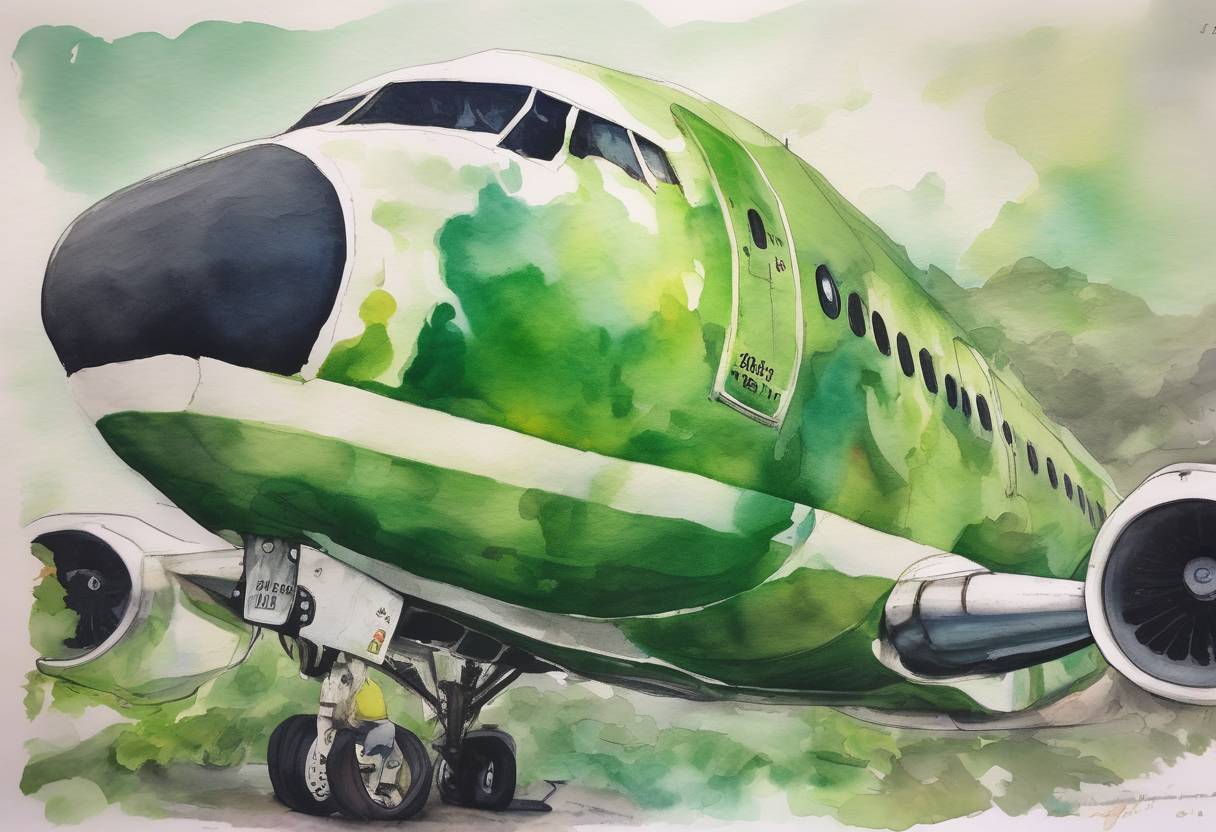
Watercolor painting based depiction of A plane carrying the Chapecoense football team crashed in Colombia, killing 71 people. The team was on its way to play in the Copa Sudamericana final. (2016)

Chapecoense Plane Crash - November 28, 2016

On November 28, 2016, a tragic aviation disaster occurred involving LaMia Flight 2933, which was carrying the Brazilian football team Chapecoense. The crash took place near Medellín, Colombia, and resulted in the deaths of 71 people out of the 77 on board.

Background

Chapecoense, a relatively small football club from Chapecó, Brazil, had achieved remarkable success by reaching the finals of the Copa Sudamericana, one of South America’s prestigious club tournaments. The team was en route to play the first leg of the final against Atlético Nacional in Medellín.

The Crash

  • Aircraft: The flight was operated by a British Aerospace 146, a regional airliner known for its short takeoff and landing capabilities.
  • Departure: The plane departed from Santa Cruz de la Sierra, Bolivia, on the evening of November 28.
  • Incident: As the aircraft approached José María Córdova International Airport in Rionegro, near Medellín, it crashed into a mountainous area.
  • Casualties: Of the 77 passengers and crew members, 71 were killed, including most of the Chapecoense team, coaching staff, and journalists. Six people survived the crash.

Investigation and Findings

The investigation revealed that the aircraft had run out of fuel, which was a critical factor leading to the crash. The following points were highlighted:

  • Fuel Management: The flight plan did not include a refueling stop, which was against aviation regulations for the distance covered.
  • Pilot Decisions: The pilots did not declare an emergency until it was too late, despite being aware of the low fuel situation.
  • Operational Oversight: The airline, LaMia, faced scrutiny for its operational practices and lack of adherence to safety protocols.

Aftermath and Impact

  • Global Mourning: The tragedy prompted an outpouring of grief and solidarity from the global football community. Atlético Nacional requested that Chapecoense be awarded the Copa Sudamericana title, which was granted by CONMEBOL.
  • Safety Reforms: The incident led to increased scrutiny and reforms in aviation safety regulations, particularly concerning fuel management and emergency protocols.
  • Legacy: Chapecoense’s story became a symbol of resilience and unity. The club received support from various football clubs worldwide, helping them rebuild in the aftermath of the tragedy.

The Chapecoense plane crash remains a poignant reminder of the importance of stringent safety measures in aviation and the profound impact of sports in uniting people across the globe.

Source: www.bbc.com