Juneteenth Recognized as a State Holiday in New York
2020 · Albany, United States
Juneteenth was officially recognized as a state holiday in New York, commemorating the end of slavery in the United States.
July 4, 1827
Slavery was abolished in New York State.
Albany, United States | New York State Legislature
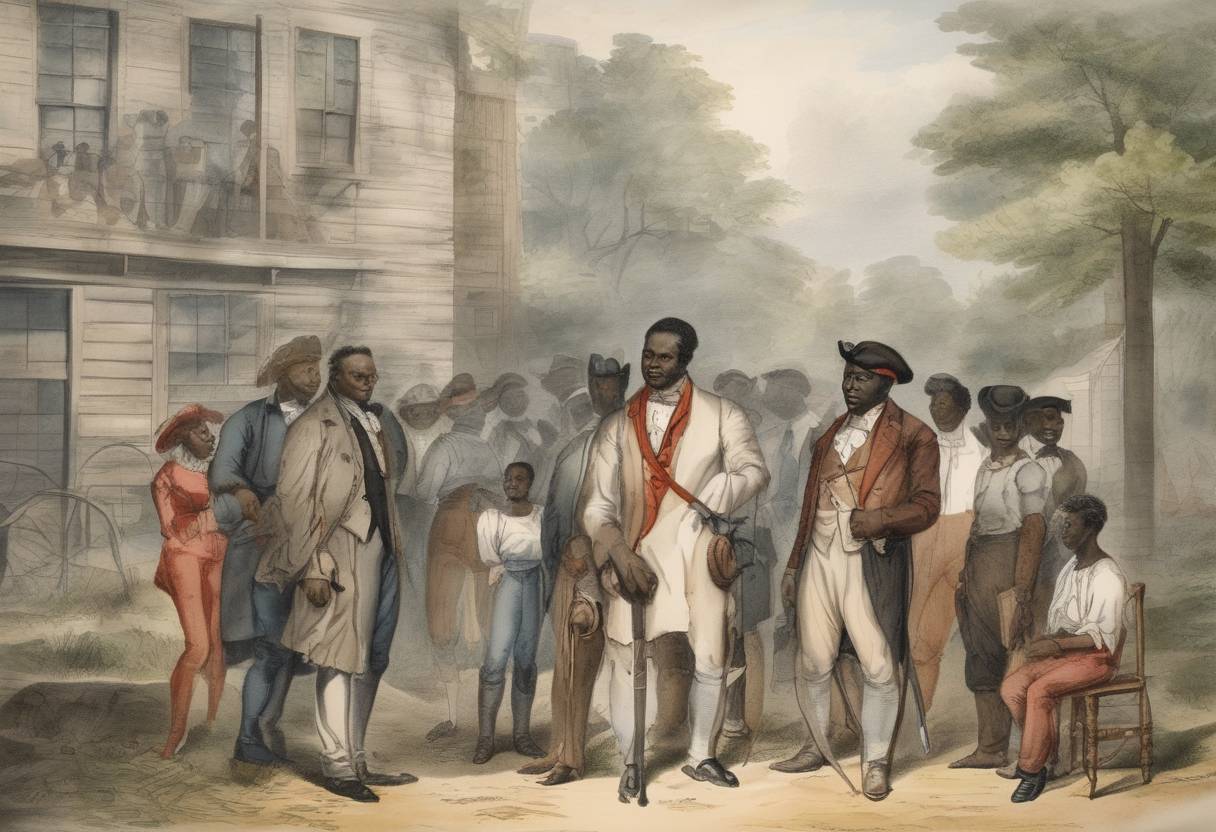
On July 4, 1827, New York State officially abolished slavery, marking a significant milestone in the state’s and the nation’s history. This event was the culmination of a gradual emancipation process that had been unfolding over several decades.
Early Legislation: The movement towards abolition in New York began with the Gradual Emancipation Act of 1799. This law stipulated that children born to enslaved mothers after July 4, 1799, would be free but required to serve as indentured servants until their mid-20s—men until age 28 and women until age 25.
Further Reforms: In 1817, New York passed another law that set July 4, 1827, as the date when all remaining enslaved people in the state would be freed. This law was part of a broader trend in Northern states to end slavery, reflecting changing economic conditions and growing abolitionist sentiment.
Abolitionist Movement: The abolitionist movement gained momentum in the early 19th century, with activists advocating for the immediate end of slavery. Prominent figures and organizations, such as the New York Manumission Society, played crucial roles in pushing for legislative changes.
Economic Shifts: The economy of New York was transitioning from agriculture to industry and commerce, reducing the reliance on slave labor. This economic shift made the abolition of slavery more feasible and less contentious among the state’s influential economic stakeholders.
Social Impact: The abolition of slavery in New York was a significant step towards racial equality, although African Americans continued to face discrimination and challenges in achieving full civil rights.
Influence on National Abolition: New York’s decision to abolish slavery added momentum to the national abolitionist movement, influencing other states and contributing to the growing sectional tensions that would eventually lead to the Civil War.
Legacy: The abolition of slavery in New York is remembered as a pivotal moment in the state’s history, reflecting the complex interplay of social, economic, and political factors that shaped the path to freedom for enslaved individuals.
In summary, the abolition of slavery in New York State on July 4, 1827, was a landmark event that underscored the state’s commitment to ending the institution of slavery and set a precedent for future abolitionist efforts across the United States.
Source: en.wikipedia.org